Age: 49
male
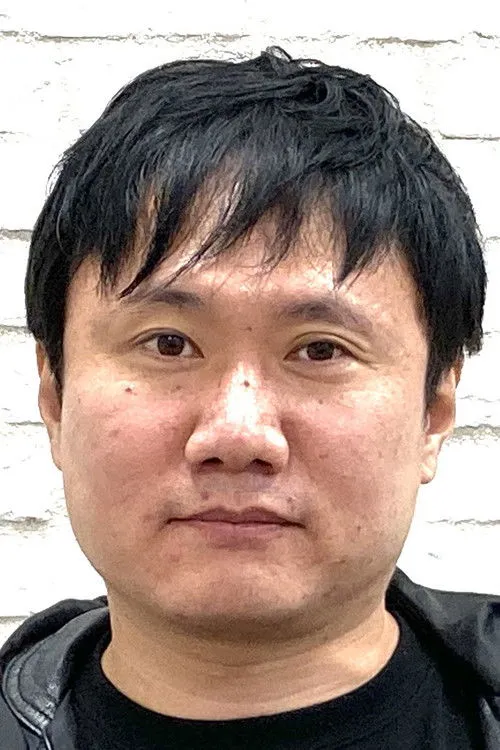
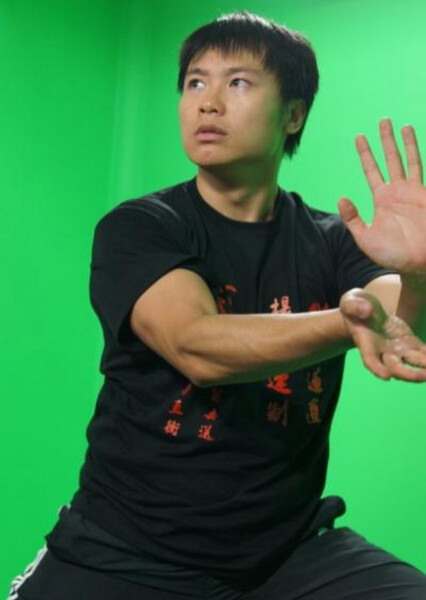
Leo Au Yeung Chi Chung is a recognized martial arts master who practices Wing Chun and Hung Gar styles. He is the only appointedWing Chun instructor who coordinated with Sammo Hung in the newly released Ip Man movie. Master Leo Au Yeung has trained in Wing Chun for over a decade under Ip Man’s edler son Ip Chun, as well as Samuel Kwok and Sin Kwok Lam. As a Wing Chun expert, he was invited to Hong Kong in 2008 to choreograph Wilson Yip’s box-office hit Ip Man starring Donnie Yen. There he worked closely with Sammo Hung. Master Au Yeung coached the action crew and actors in Wing Chun and advised on action scene choreography. Recently he also coached and choreographed a sequel film to Ip Man, Herman Yau’s The Legend is Born - Ip Man, starring Sammo Hungand Yuen Biao. Master Au Yeung is also an instructor for the general public and has a martial arts school in London, where he teaches traditional Chinese kung fu. Styles taught are diverse and include: Wing Chun, Tai Chi (Yang's style), Hung Gar and Chinese kick-boxing.
Leo Au-Yeung

Choreographer
for Choreographer in King of Wing Chun (Live Action Original Film)
Suggested by nihilus
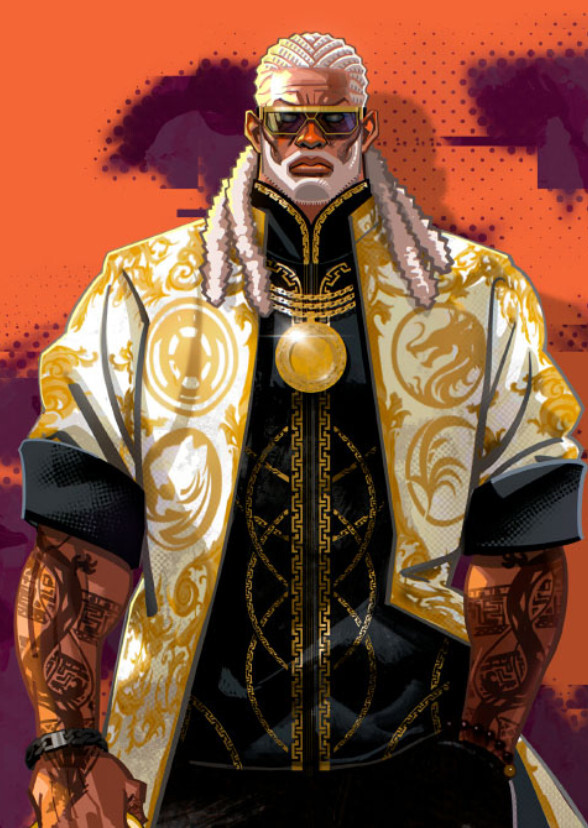
When Hong Kong’s police collapse under corruption and infighting, the city fractures into chaos. Rival Triads and mercenary crews carve up territory block by block, leaving civilians trapped in a silent civil war. Into this power vacuum steps Marcus Kai, a foreign monk exiled from his temple for taking a life. Seeking anonymity, he hides behind the humble role of a bodyguard for a failing syndicate on the edge of extinction. But his calm exterior masks a violent philosophy forged in solitude and discipline. When betrayal wipes out his employers, he adapts. With Wing Chun’s surgical precision, he begins dismantling Hong Kong’s criminal hierarchy from within, manipulating its greed and paranoia like a living form. Each rival boss he faces commands their own distinct fighting style. Every fight becomes a clash of martial philosophies as much as bodies. Every boss who underestimates him becomes a lesson in balance. Every kill is deliberate, efficient. His war isn’t about vengeance—it’s about control. As the city spirals deeper into bloodshed, he emerges as both executioner and savior, building a new kind of order from the corpses of the old. His empire is quiet, his justice methodical. By the time the police return to reclaim the city, they discover it no longer belongs to them. It belongs to the monk who learned that peace can only exist when every hand that reaches for power is met by an open palm—and crushed beneath it.