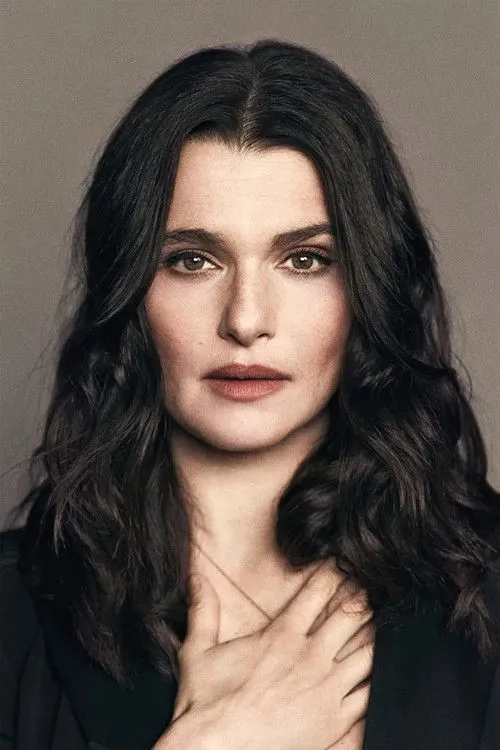
Age: 56
female
Rachel Hannah Weisz (/vaɪs/; born 7 March 1970) is an English actress. Known for her roles in independent films and blockbusters, she has received several awards, including an Academy Award, a BAFTA Award, a Golden Globe Award, and a Laurence Olivier Award. Weisz began acting in stage and television productions in the early 1990s and made her film debut in Death Machine (1994). She won a Critics' Circle Theatre Award for her role in the 1994 revival of Noël Coward's play Design for Living. She went on to appear in the 1999 Donmar Warehouse production of Tennessee Williams' drama Suddenly Last Summer. Her film breakthrough came with her starring role as Evelyn Carnahan in the Hollywood action films The Mummy (1999) and The Mummy Returns(2001). Weisz went on to star in several films of the 2000s, including Enemy at the Gates (2001), About a Boy (2002), Runaway Jury (2003), Constantine (2005), The Fountain (2006), The Lovely Bones (2009) and The Whistleblower (2010). For her performance as an activist in the 2005 thriller The Constant Gardener, she won the Academy Award for Best Supporting Actress. For playing Blanche DuBois in a 2009 revival of A Streetcar Named Desire, she won the Laurence Olivier Award for Best Actress. In the 2010s, Weisz continued to star in big-budget films such as the action film The Bourne Legacy (2012) and the fantasy film Oz the Great and Powerful (2013) and achieved critical acclaim for her performances in the independent films The Deep Blue Sea (2011), Denial (2016), and The Favourite (2018). For her portrayal of Sarah Churchill in The Favourite, she won the BAFTA Award for Best Actress in a Supporting Role and received a second Academy Award nomination. Weisz portrayed Melina Vostokoff in the Marvel Cinematic Universe film Black Widow (2021) and starred as twin obstetricians in the thriller miniseries Dead Ringers (2023). Description above from the Wikipedia article Wendell Pierce, licensed under CC-BY-SA, full list of contributors on Wikipedia.
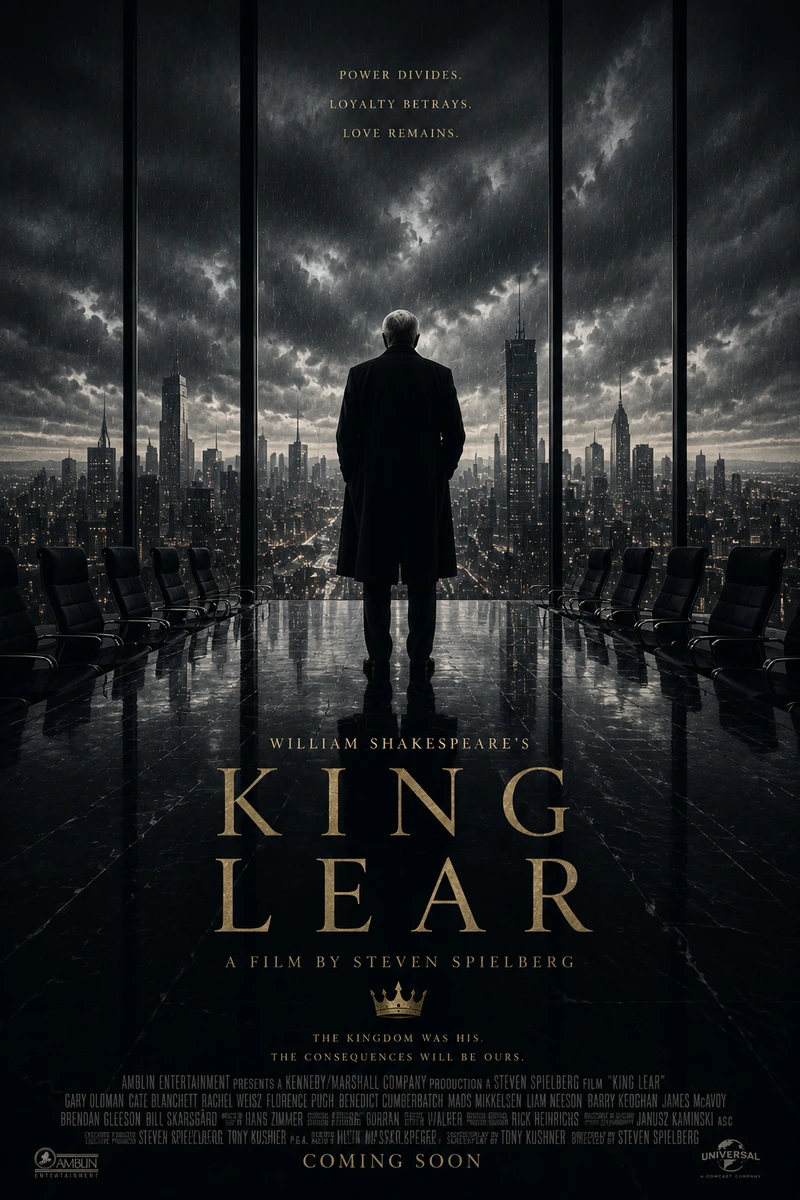
Set in the ruthless world of modern corporate power, King Lear follows Lear, an aging and fiercely controlling billionaire CEO who has spent decades building one of the world's most powerful business empires. Believing the time has come to secure his legacy, Lear announces that he will divide control of his company among his three daughters according to how convincingly each can demonstrate her love and loyalty to him. Goneril and Regan eagerly play the game, offering elaborate declarations that satisfy their father's vanity. Cordelia, Lear's youngest and most honest daughter, refuses to turn her love into a performance. Furious, Lear disowns Cordelia and gives her share of the empire to her sisters, setting in motion a brutal struggle for control. As Goneril and Regan consolidate their power, their alliances begin to fracture. Lear discovers that the daughters who promised him everything now consider him an obstacle. Cast out, Lear's anger and humiliation gradually give way to paranoia and madness. Unknown to him, Cordelia has returned in disguise as his Fool, allowing her to remain close to her father and care for him while challenging the delusions that increasingly consume him. Meanwhile, Lear's trusted associate Gloucester suffers a similar betrayal within his own family. His illegitimate son Edmund manipulates him into believing that his loyal legitimate son Edgar is plotting against him, forcing Edgar into exile and allowing Edmund to rise within the corporate hierarchy. As Edmund's ambitions intersect with those of Goneril and Regan, the struggle for Lear's empire becomes increasingly violent and destructive. Albany and Kent begin to recognize the devastating consequences of their family's pursuit of power. Lear's downfall becomes inseparable from the destruction of the empire he built, culminating in a final confrontation that leaves the surviving members of the family forced to reckon with the cost of ambition, betrayal, pride, and misplaced loyalty.


