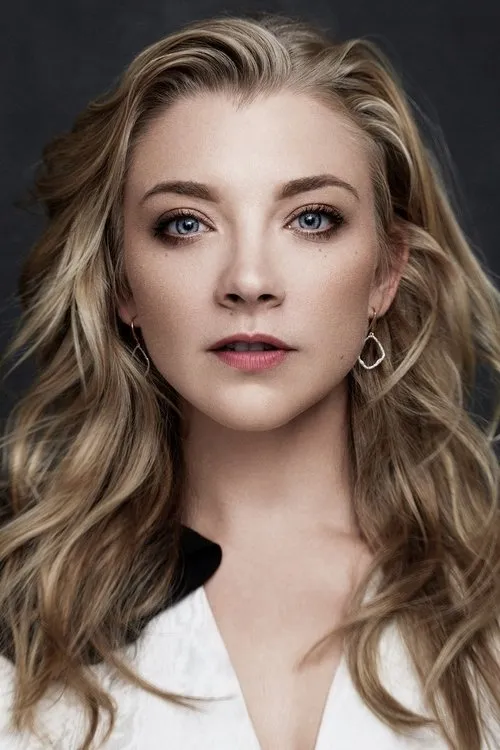
Age: 42
female
Claire Elizabeth Foy (born 16 April 1984) is an English actress. She studied acting at the Liverpool John Moores University and the Oxford School of Drama, and made her screen debut in the pilot of the supernatural comedy series Being Human, in 2008. Following her professional stage debut at the Royal National Theatre, she played the title role in the BBC One miniseries Little Dorrit (2008) and made her film debut in the American historical fantasy drama Season of the Witch (2011). Following leading roles in the television series The Promise (2011) and Crossbones (2014), Foy received praise for portraying the ill-fated queen Anne Boleyn in the miniseries Wolf Hall (2015). Foy was educated at Aylesbury High School from the age of 12 and later attended Liverpool John Moores University, studying drama and screen studies. She also trained in a one-year course at the Oxford School of Drama. She graduated in 2007 and moved to London's Peckham district to share a house with five friends from drama school. While at the Oxford School of Drama, Foy appeared in the plays Top Girls, Watership Down, Easy Virtue, and Touched. After appearing on television, she made her professional stage debut in DNA and The Miracle, two of a trio of single acts directed by Paul Miller at the Royal National Theatre in London (the third was Baby Girl). Foy gained international recognition for portraying the young Queen Elizabeth II in the first two seasons of the Netflix series The Crown, for which she won a Golden Globe and a Primetime Emmy, among other awards. In 2018, she starred in Steven Soderbergh's psychological thriller Unsane and portrayed Janet Shearon, wife of astronaut Neil Armstrong, in Damien Chazelle's biopic First Man. For the latter role, she was nominated for a BAFTA and a Golden Globe. Description above from the Wikipedia Claire Foy licensed under CC-BY-SA, full list of contributors on Wikipedia.
Claire Foy

Morgan le Fay
for Morgan le Fay in King Arthur and the Knights of the Round Table
Suggested by ckent52

King Arthur was a legendary British leader who, according to medieval histories and romances, led the defence of Britain against Saxon invaders in the late 5th and early 6th centuries. The details of Arthur's story are mainly composed of folklore and literary invention, and modern historians generally agree that he is unhistorical. The sparse historical background of Arthur is gleaned from various sources, including the Annales Cambriae, the Historia Brittonum, and the writings of Gildas. Arthur's name also occurs in early poetic sources such as Y Gododdin. Arthur is a central figure in the legends making up the Matter of Britain. The legendary Arthur developed as a figure of international interest largely through the popularity of Geoffrey of Monmouth's fanciful and imaginative 12th-century Historia Regum Britanniae (History of the Kings of Britain). In some Welsh and Breton tales and poems that date from before this work, Arthur appears either as a great warrior defending Britain from human and supernatural enemies or as a magical figure of folklore, sometimes associated with the Welsh otherworld Annwn.[6] How much of Geoffrey's Historia (completed in 1138) was adapted from such earlier sources, rather than invented by Geoffrey himself, is unknown.