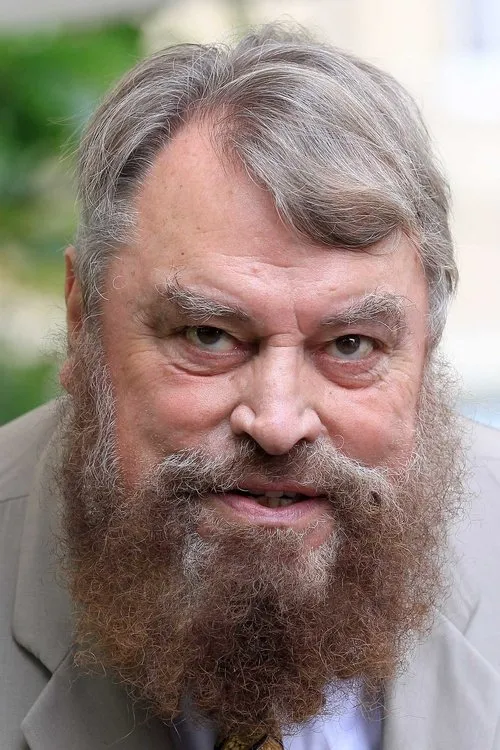
Age: 90
male
Brian Blessed OBE (born 9 October 1936) is an English actor. He is known for his distinctive bushy beard, booming voice, and exuberant personality and performances. He portrayed PC "Fancy" Smith in Z-Cars; Augustus in the 1976 BBC television production of I, Claudius; King Richard IV in the first series of Blackadder; Prince Vultan in Flash Gordon; Bustopher Jones and Old Deuteronomy in the 1981 original London production of Cats at the New London Theatre; Thomas Beaufort, Duke of Exeter, in Henry V; Boss Nass in Star Wars: Episode I – The Phantom Menace; and the voice of Clayton and the Tarzan yell in Disney's Tarzan. In 2016, Blessed was appointed Officer of the Order of the British Empire (OBE) for services to the arts and charity. Blessed was born on 9 October 1936 at Montagu Hospital in Mexborough, West Riding of Yorkshire, the son of William Blessed, a socialist coal miner at Hickleton Main Colliery (and himself the son of a coal miner) and cricketer for the Yorkshire second team, and Hilda (née Wall). He had a brother Alan, seven years younger, and the pair "went everywhere together" when they were growing up. Alan Blessed died from leukaemia aged 52; their mother died aged 87, and their father died aged 99. Blessed's great-great-grandfather, Jabez Blessed, was the father of 13 children and worked as a china and glass dealer in Brigg, Lincolnshire; many of Blessed's relatives hail from Brigg. Blessed went to Bolton on Dearne Secondary Modern School, and completed his national service in the RAF, in Bicester, before enrolling at the Bristol Old Vic Theatre School in 1956.
Brian Blessed

Mark of Cornwall
for Mark of Cornwall in King Arthur and the Knights of the Round Table
Suggested by shadowthorne3

King Arthur was a legendary British leader who, according to medieval histories and romances, led the defence of Britain against Saxon invaders in the late 5th and early 6th centuries. The details of Arthur's story are mainly composed of folklore and literary invention, and modern historians generally agree that he is unhistorical. The sparse historical background of Arthur is gleaned from various sources, including the Annales Cambriae, the Historia Brittonum, and the writings of Gildas. Arthur's name also occurs in early poetic sources such as Y Gododdin. Arthur is a central figure in the legends making up the Matter of Britain. The legendary Arthur developed as a figure of international interest largely through the popularity of Geoffrey of Monmouth's fanciful and imaginative 12th-century Historia Regum Britanniae (History of the Kings of Britain). In some Welsh and Breton tales and poems that date from before this work, Arthur appears either as a great warrior defending Britain from human and supernatural enemies or as a magical figure of folklore, sometimes associated with the Welsh otherworld Annwn.[6] How much of Geoffrey's Historia (completed in 1138) was adapted from such earlier sources, rather than invented by Geoffrey himself, is unknown.



