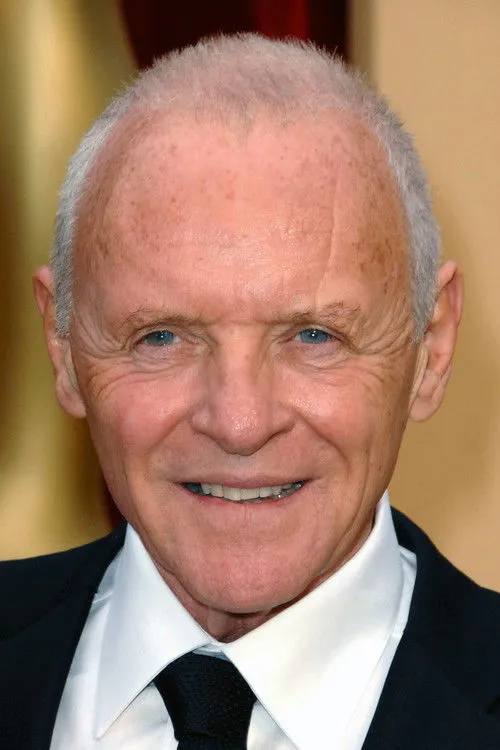
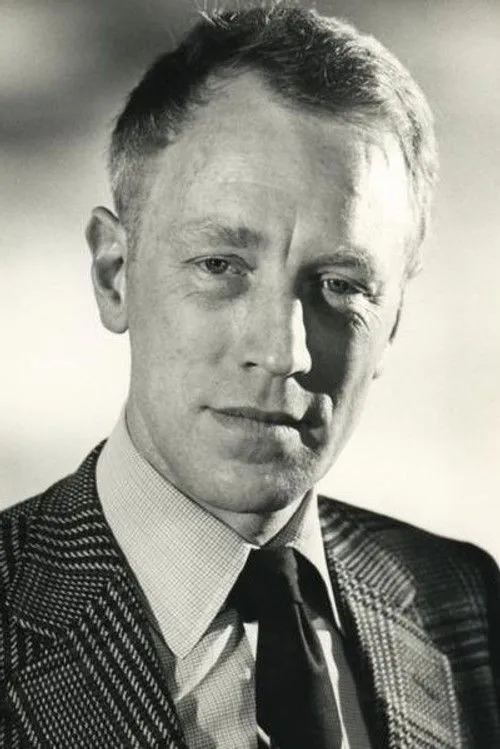
Age: 53
male
David Jude Heyworth Law (born 29 December 1972) is an English actor. He began his career in British theatre before landing small roles in various television productions and feature films. Law gained international recognition for his role in Anthony Minghella's The Talented Mr. Ripley (1999), for which he won the BAFTA Award for Best Actor in a Supporting Role and was nominated for the Academy Award in the same category. Law found further critical and commercial success in Steven Spielberg's A.I. Artificial Intelligence (2001), Sam Mendes' Road to Perdition (2002), Minghella's Cold Mountain (2003), for which he earned Academy Award and BAFTA nominations, in addition to the drama Closer (2004) and the romantic comedy The Holiday (2006). His subsequent roles were as Dr. Watson in Sherlock Holmes (2009) and Sherlock Holmes: A Game of Shadows (2011), a young Albus Dumbledore in Fantastic Beasts: The Crimes of Grindelwald (2018) and Fantastic Beasts: The Secrets of Dumbledore (2022), and Yon-Rogg in Captain Marvel (2019); all of which rank among his highest-grossing releases. Other notable films include Contagion (2011), Hugo (2011), Side Effects (2013), The Grand Budapest Hotel (2014), and Spy (2015), as well as the television series The Young Pope (2016), The New Pope (2020), and Star Wars: Skeleton Crew (2024), earning a Children's and Family Emmy Award for Outstanding Lead Performer nomination for the latter. In addition to his film work, Law has performed in several West End and Broadway productions, including Les Parents terribles in 1994, Hamlet in 2010, and Anna Christie in 2011. These earned him nominations for two Tony Awards. He has also been awarded the Honorary César and was named a knight of the Order of Arts and Letters by the French government. Description above from the Wikipedia article Jude Law, licensed under CC-BY-SA, full list of contributors on Wikipedia.
Jude Law

King Lot
for King Lot in King Arthur and the Knights of the Round Table
Suggested by shadowthorne3

King Arthur was a legendary British leader who, according to medieval histories and romances, led the defence of Britain against Saxon invaders in the late 5th and early 6th centuries. The details of Arthur's story are mainly composed of folklore and literary invention, and modern historians generally agree that he is unhistorical. The sparse historical background of Arthur is gleaned from various sources, including the Annales Cambriae, the Historia Brittonum, and the writings of Gildas. Arthur's name also occurs in early poetic sources such as Y Gododdin. Arthur is a central figure in the legends making up the Matter of Britain. The legendary Arthur developed as a figure of international interest largely through the popularity of Geoffrey of Monmouth's fanciful and imaginative 12th-century Historia Regum Britanniae (History of the Kings of Britain). In some Welsh and Breton tales and poems that date from before this work, Arthur appears either as a great warrior defending Britain from human and supernatural enemies or as a magical figure of folklore, sometimes associated with the Welsh otherworld Annwn.[6] How much of Geoffrey's Historia (completed in 1138) was adapted from such earlier sources, rather than invented by Geoffrey himself, is unknown.