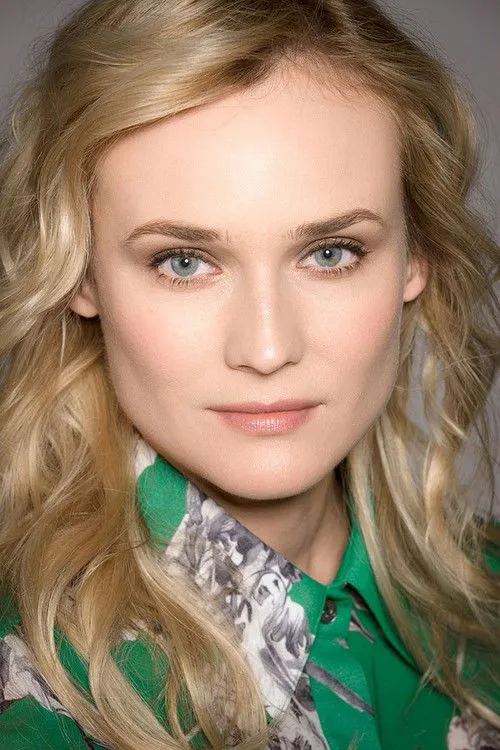
Age: 32
female
Saoirse Una Ronan (/ˈsɜːrʃə ˈuːnə ˈroʊnən/ SUR-shə OO-nə ROH-nən; born 12 April 1994) is an American-born Irish actress. Primarily known for her work in period dramas since adolescence, she has received various accolades, including a Golden Globe Award and nominations for four Academy Awards and seven British Academy Film Awards. Ronan made her acting debut in 2003 on the Irish medical drama series The Clinic and had her breakthrough role as a precocious teenager in the period drama film Atonement (2007), which earned her a nomination for the Academy Award for Best Supporting Actress. Her career progressed with starring roles in The Lovely Bones (2009) and Hanna (2011) and a supporting role in The Grand Budapest Hotel (2014). Ronan received critical acclaim and nominations for the Academy Award for Best Actress for playing an Irish immigrant in New York in Brooklyn (2015), the eponymous high school senior in Greta Gerwig's Lady Bird (2017)—which won her a Golden Globe—and Jo March in Gerwig's Little Women (2019). Ronan has since produced and starred in the drama The Outrun (2024). On stage, Ronan portrayed Abigail Williams in the 2016 Broadway revival of The Crucible and Lady Macbeth in the 2021 West End revival of The Tragedy of Macbeth. In 2016, she was featured by Forbes in two of their 30 Under 30 lists, and in 2020, The New York Times ranked her tenth on its list of the greatest actors of the 21st century. Description above from the Wikipedia article Saoirse Ronan, licensed under CC-BY-SA, full list of contributors on Wikipedia.
Saoirse Ronan

Isolde
for Isolde in King Arthur and the Knights of the Round Table
Suggested by ardastars1

King Arthur was a legendary British leader who, according to medieval histories and romances, led the defence of Britain against Saxon invaders in the late 5th and early 6th centuries. The details of Arthur's story are mainly composed of folklore and literary invention, and modern historians generally agree that he is unhistorical. The sparse historical background of Arthur is gleaned from various sources, including the Annales Cambriae, the Historia Brittonum, and the writings of Gildas. Arthur's name also occurs in early poetic sources such as Y Gododdin. Arthur is a central figure in the legends making up the Matter of Britain. The legendary Arthur developed as a figure of international interest largely through the popularity of Geoffrey of Monmouth's fanciful and imaginative 12th-century Historia Regum Britanniae (History of the Kings of Britain). In some Welsh and Breton tales and poems that date from before this work, Arthur appears either as a great warrior defending Britain from human and supernatural enemies or as a magical figure of folklore, sometimes associated with the Welsh otherworld Annwn.[6] How much of Geoffrey's Historia (completed in 1138) was adapted from such earlier sources, rather than invented by Geoffrey himself, is unknown.