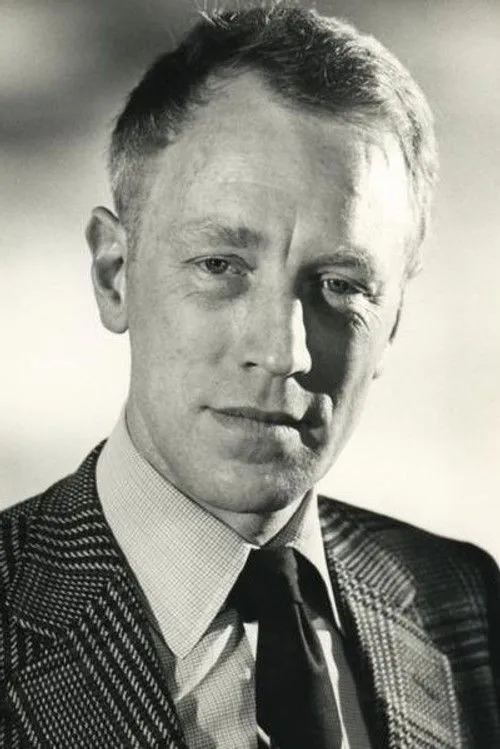
Age: 80
male
Walter Charles Dance OBE (born 10 October 1946) is an English actor, screenwriter, and director. He typically plays strict, authoritarian characters or villains. He is best known for his roles as Tywin Lannister in Game of Thrones, Kitchener in The King's Man, Martin Benson in Amazon Prime's The Widow, Lord Mountbatten in Netflix's The Crown (for which he was nominated for a Primetime Emmy Award for Outstanding Guest Actor in a Drama Series), Thomas in Underworld: Awakening and Underworld: Blood Wars, Harold Fillmore in Ghostbusters (2016), Mr. Bennet in Pride and Prejudice and Zombies, Frankenstein in Victor Frankenstein, Master Vampire in Dracula Untold, Conrad Knox in the Cinemax series Strike Back, Raymond Stockbridge in Gosford Park, one-eyed hitman Benedict in Last Action Hero, Clemens in Alien³, Sardo Numpsa in The Golden Child, and Guy Perron in The Jewel in the Crown. He started his career on stage with the Royal Shakespeare Company (RSC) before appearing in film and television. For his services to drama, he was appointed an Officer of the Order of the British Empire (OBE) by Queen Elizabeth II in 2006. He made his directorial film debut with the drama film Ladies in Lavender (2004), which he also wrote and executive produced.
Charles Dance
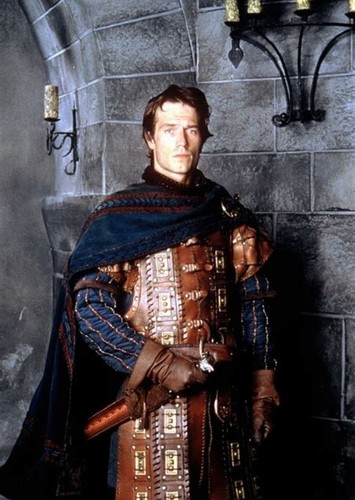
Gorlois
for Gorlois in King Arthur and the Knights of the Round Table
Suggested by shadowthorne3

King Arthur was a legendary British leader who, according to medieval histories and romances, led the defence of Britain against Saxon invaders in the late 5th and early 6th centuries. The details of Arthur's story are mainly composed of folklore and literary invention, and modern historians generally agree that he is unhistorical. The sparse historical background of Arthur is gleaned from various sources, including the Annales Cambriae, the Historia Brittonum, and the writings of Gildas. Arthur's name also occurs in early poetic sources such as Y Gododdin. Arthur is a central figure in the legends making up the Matter of Britain. The legendary Arthur developed as a figure of international interest largely through the popularity of Geoffrey of Monmouth's fanciful and imaginative 12th-century Historia Regum Britanniae (History of the Kings of Britain). In some Welsh and Breton tales and poems that date from before this work, Arthur appears either as a great warrior defending Britain from human and supernatural enemies or as a magical figure of folklore, sometimes associated with the Welsh otherworld Annwn.[6] How much of Geoffrey's Historia (completed in 1138) was adapted from such earlier sources, rather than invented by Geoffrey himself, is unknown.