Age: 71
male
Brendan Gleeson (born 29 March 1955) is an Irish actor and film director. He is the recipient of three IFTA Awards, two BIFA's, and a Primetime Emmy Award and has been nominated twice for a BAFTA Award, five times for a Golden Globe Award and once for an Academy Award. In 2020, he was listed at number 18 on The Irish Times list of Ireland's greatest film actors. He is the father of actors Domhnall Gleeson and Brian Gleeson. He is best known for his performance as Alastor Moody in the Harry Potter films (2005–2010). He is also known for his supporting roles in films such as Braveheart (1995), Michael Collins (1996), 28 Days Later (2002), Gangs of New York (2002), Cold Mountain (2003), Troy (2004), Suffragette (2015), Paddington 2 (2017), The Ballad of Buster Scruggs (2018), and The Tragedy of Macbeth (2021). He is also known for his leading roles in films such as The General (1998), In Bruges (2008), The Guard (2011), Calvary (2014), Frankie (2019), and The Banshees of Inisherin (2022). He received a nomination for the Academy Award for Best Supporting Actor for the lattermost film. He won an Primetime Emmy Award in 2009 for his portrayal of Winston Churchill in the television film Into the Storm. He also received a Golden Globe Award nomination for his performance as Donald Trump in the Showtime series The Comey Rule (2020). From 2017 to 2019 he starred in the crime series Mr. Mercedes. He received an Emmy Award nomination for Stephen Frears' Sundance TV series State of the Union (2022).
Brendan Gleeson
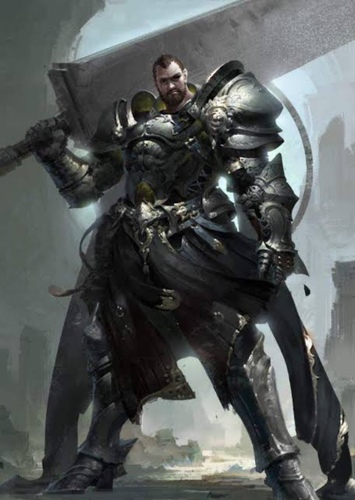
Galehaut
for Galehaut in King Arthur and the Knights of the Round Table
Suggested by battersmate

King Arthur was a legendary British leader who, according to medieval histories and romances, led the defence of Britain against Saxon invaders in the late 5th and early 6th centuries. The details of Arthur's story are mainly composed of folklore and literary invention, and modern historians generally agree that he is unhistorical. The sparse historical background of Arthur is gleaned from various sources, including the Annales Cambriae, the Historia Brittonum, and the writings of Gildas. Arthur's name also occurs in early poetic sources such as Y Gododdin. Arthur is a central figure in the legends making up the Matter of Britain. The legendary Arthur developed as a figure of international interest largely through the popularity of Geoffrey of Monmouth's fanciful and imaginative 12th-century Historia Regum Britanniae (History of the Kings of Britain). In some Welsh and Breton tales and poems that date from before this work, Arthur appears either as a great warrior defending Britain from human and supernatural enemies or as a magical figure of folklore, sometimes associated with the Welsh otherworld Annwn.[6] How much of Geoffrey's Historia (completed in 1138) was adapted from such earlier sources, rather than invented by Geoffrey himself, is unknown.