Age: 46
male
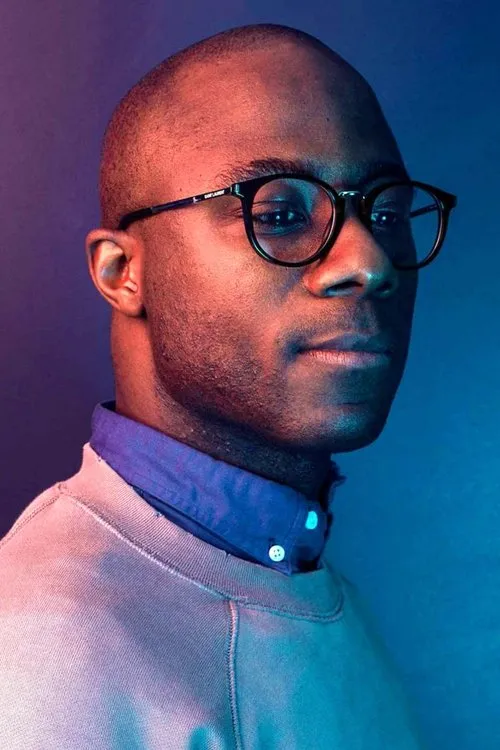
Barry Jenkins (born November 19, 1979) is an American filmmaker. After making his filmmaking debut with the short film My Josephine (2003), he directed his first feature film, Medicine for Melancholy (2008), for which he received an Independent Spirit Award nomination for Best First Feature. He is also a creative collaborator and a member of The Chopstars collective. Following an eight-year hiatus from feature filmmaking, Jenkins directed and co-wrote the LGBTQ-themed independent drama Moonlight (2016), which won numerous accolades, including the Academy Award for Best Picture. Jenkins received an Oscar nomination for Best Director and jointly won the Academy Award for Best Adapted Screenplay with Tarell Alvin McCraney. He became the fourth Black person nominated for Best Director and the second to direct a Best Picture winner. He released his third directorial feature If Beale Street Could Talk 2018, to critical praise and earned nominations for his screenplay at the Academy Awards and Golden Globes. He is also known for his work in television. In 2017, Jenkins directed "Chapter V" of the Netflix series Dear White People. In 2021, he created and directed the Amazon Video limited series The Underground Railroad, based on the novel of the same name. The series received a Primetime Emmy Award for Outstanding Directing for a Limited Series or Movie nomination and won a Peabody Award. In 2017, Jenkins was included on the annual Time 100 list of the most influential people in the world. Description above from the Wikipedia article Barry Jenkins, licensed under CC-BY-SA, full list of contributors on Wikipedia.
Barry Jenkins

Director
for Director in Keys of Freedom: The Jimmy Yancey Story
Suggested by kamsismith

Set in the smoky clubs of early 20th-century Chicago, Keys of Freedom is a riveting biopic miniseries chronicling the life of Jimmy Yancey, the unsung pioneer of boogie-woogie piano. Through his electrifying music and quiet determination, Yancey transformed the pulse of American music, influencing countless musicians while navigating the struggles of a rapidly changing world. The series delves into Yancey’s humble beginnings in a family of vaudeville performers and his journey from a child prodigy to a trailblazer in a genre that bridged blues, jazz, and the roots of rock ‘n’ roll. Against the backdrop of Chicago's vibrant South Side, viewers witness Yancey’s rise as a working-class hero who balanced a day job as a groundskeeper with nights igniting piano keys. Through the lens of his relationships—with his wife, Estelle "Mama" Yancey, a blues singer who shared his passion for music, and his contemporaries like Meade Lux Lewis and Albert Ammons—Keys of Freedom captures the personal and professional challenges of a Black artist thriving amidst racial segregation and the Great Depression. The series doesn’t shy away from the bittersweet realities of Yancey’s life, including his late recognition and enduring influence on American music.