
Age: 64
male
David Andrew Leo Fincher (born August 28, 1962) is an American film director. His films, mostly thrillers, have received 40 nominations at the Academy Awards, including three for him as Best Director. Born in Denver, Colorado, Fincher was interested in filmmaking at an early age. He directed numerous music videos, most notably Madonna's "Express Yourself" in 1989 and "Vogue" in 1990, both of which won him the MTV Video Music Award for Best Direction. He made his feature film debut with Alien 3 (1992), which garnered mixed reviews, followed by the thriller Seven (1995), which was better received. Fincher found lukewarm success with The Game (1997) and Fight Club (1999), but the latter eventually became a cult classic. In 2002, he returned to prominence with the thriller Panic Room starring Jodie Foster. Fincher also directed Zodiac (2007), The Social Network (2010), The Girl with the Dragon Tattoo (2011), and Mank (2020). For The Social Network, he won the Golden Globe Award for Best Director and BAFTA Award for Best Direction. His biggest commercial successes are The Curious Case of Benjamin Button (2008) and Gone Girl (2014), both of which grossed more than $300 million worldwide, with the former earning thirteen nominations at the Academy Awards, and eleven at the British Academy Film Awards. He also served as an executive producer and director for the Netflix series House of Cards (2013–2018) and Mindhunter (2017–2019), winning the Primetime Emmy Award for Outstanding Directing for a Drama Series for the pilot episode of House of Cards. Fincher was the co-founder of Propaganda Films, a film, and music.
David Fincher

Director
for Director in Kafka: The Labyrinth of Existence
Suggested by kamsismith
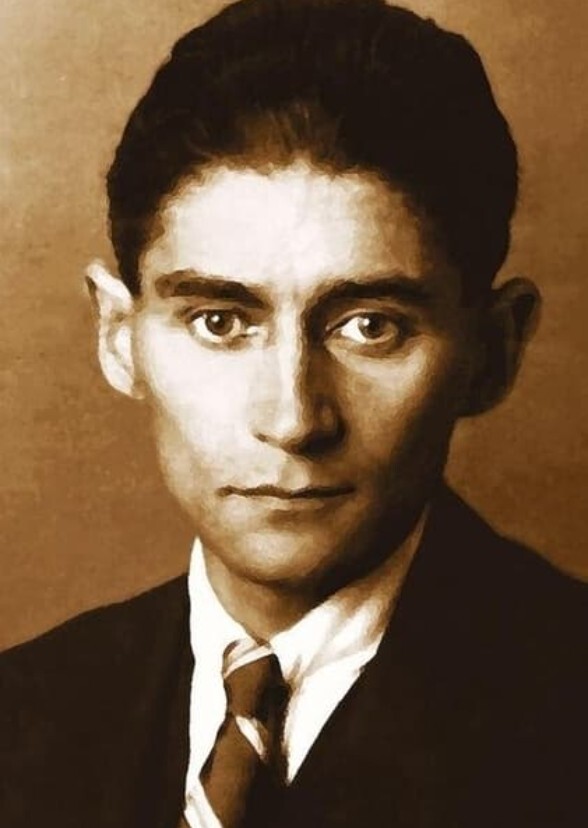
In Kafka: The Labyrinth of Existence, viewers enter the claustrophobic, oppressive world of Franz Kafka, a man whose personal struggles with alienation, bureaucratic indifference, and existential despair bled into his groundbreaking writing. The series unpacks Kafka's complex relationships with his domineering father, his strained interactions with lovers and friends, and his obsessive need for control over his narrative. Set against the backdrop of early 20th-century Prague, Kafka is more than a biopic — it’s a psychological journey into the depths of a mind at odds with itself. Each episode pulls from Kafka’s life and his extraordinary, often surreal works — The Trial, The Metamorphosis, and The Castle — blending fiction and reality in a way that leaves the audience questioning what is truth and what is imagination.


