
Age: 47
male
Benjamin Mark Lasker Wallfisch (born 7 August 1979) is a British composer, conductor, and music producer known for his work on film scores. He has contributed to over 50 feature films since the mid-2000s, including notable works like Blade Runner 2049, Shazam!, It, It Chapter Two, The Invisible Man, Hidden Figures, A Cure for Wellness, The Flash, Twisters, Alien: Romulus, Kraven the Hunter and Predator: Killer of Killers. His work has earned recognition, including a joint nomination with Pharrell Williams and Hans Zimmer for Best Original Score at the 74th Golden Globe Awards for Hidden Figures, as well as nominations for the BAFTA Award for Best Film Music and the Grammy Award for Best Score Soundtrack for Visual Media for Blade Runner 2049. In 2020, Wallfisch was nominated for Film Composer of the Year for the second consecutive year at the World Soundtrack Awards. Wallfisch's film compositions have contributed to movies with a combined worldwide box office revenue of over $2.5 billion. In 2019, Variety acknowledged his achievements by including him in their Billion Dollar Composer series. Description above from the Wikipedia article Benjamin Wallfisch, licensed under CC-BY-SA, full list of contributors on Wikipedia.
Benjamin Wallfisch

Composer
for Composer in Justice League: Throne of Atlantis (Live Action)
Suggested by go77e
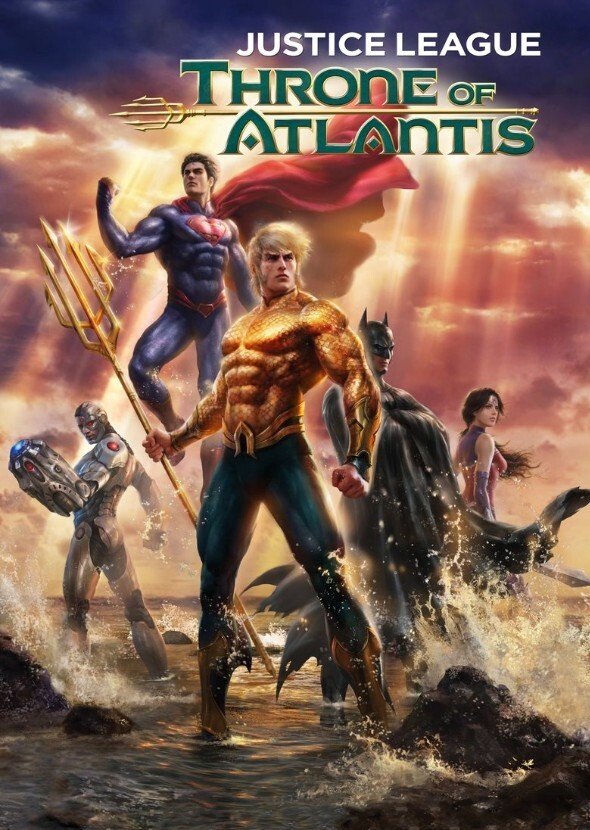
*rewritten for live action* Following the invasion of Earth in Justice League: War, the geopolitical landscape is fragile. While the Justice League remains a loose, informal alliance, tension brews beneath the ocean's surface — literally. When a U.S. submarine is mysteriously destroyed, blame quickly falls on unknown forces in the Atlantic. Military response is swift, and global fear rises about a new potential threat. Beneath the waves, the ancient kingdom of Atlantis, long hidden from the surface world, is in turmoil. With the aging Queen Atlanna attempting diplomacy, her son Orm seeks to capitalize on the chaos. Viewing surface dwellers as dangerous and unworthy of coexistence, he engineers a false-flag attack that leads to Atlanna’s assassination — a calculated move to seize the throne and justify open war against humanity. On land, a disillusioned and isolated man named Arthur Curry struggles with grief and a lifetime of not belonging. He drinks, fights, and avoids the ocean — even as something in his blood calls to it. When an Atlantean emissary reveals the truth of his lineage — that he is the half-human son of the murdered queen and rightful heir to Atlantis — Arthur is forced into a crisis of identity and responsibility. The Justice League investigates the rising oceanic attacks while trying to prevent a full-scale war. Internal divisions emerge, especially over how to handle a hidden nation that may have legitimate cause for retaliation. Meanwhile, Orm solidifies power and deploys Atlantean forces across multiple coastal cities, launching a brutal offensive with the help of Black Manta, a mercenary with his own motivations. Mera, an Atlantean warrior loyal to the queen’s original vision, confronts Arthur and tests his resolve. Though initially skeptical of his right to rule, she ultimately allies with him as he agrees to return to Atlantis — not to take power, but to stop a war. In the climactic battle, the League and Atlantean forces clash in the ruins of a submerged city and a coastal stronghold. Arthur confronts Orm in a duel for the fate of Atlantis. Though physically overmatched, Arthur triumphs not just through strength, but by embodying a new vision for Atlantean leadership: one that bridges both worlds. By the end, Arthur accepts his birthright — not out of desire for power, but duty. He is crowned King of Atlantis. The Justice League, now tested by internal disagreements and external threats, begins to realize it must become more than a reactive force: it must evolve into something permanent.

