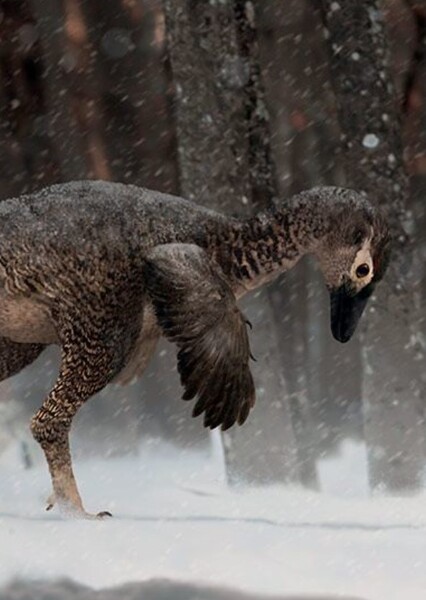
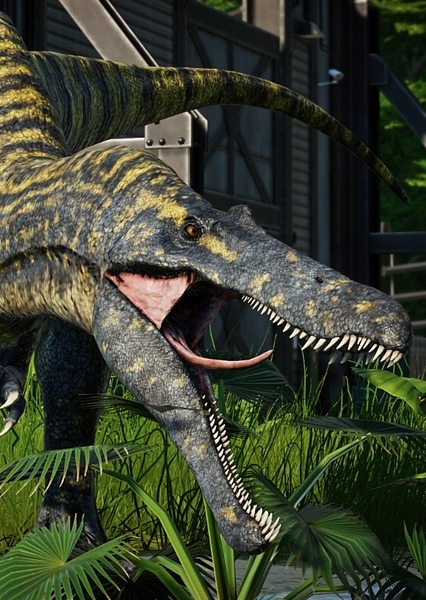
Therizinosaurus (/ˌθɛrɪˌzɪnoʊˈsɔːrəs/; meaning "scythe lizard") is a genus of very large therizinosaurid that lived in Asia during the Late Cretaceous period in what is now the Nemegt Formation around 70 million years ago. The first remains of Therizinosaurus were found in 1948 by a Mongolian field expedition at the Gobi Desert, and later described by Evgeny Maleev in 1954 who originally thought the remains to belong to a turtle-like reptile. Therizinosaurus is known only from a few bones, including gigantic hand claws, from which it gets its name, and additional findings comprising forelimb and hindlimb elements that have been discovered during the 1960s-1980s. Therizinosaurus comprises the single species T. cheloniformis, which could grow up from 9 to 10 m (30 to 33 ft) long and weigh possibly over 3 t (3,000 kg). It had the longest known claws of any land animal, reaching above 50 cm (20 in) in length. Unlike other therizinosaurs, the claws were very stiff and elongated, but like other members, it would have been a slow-moving, long-necked/high browser herbivore equipped with a rhamphotheca (horny beak) and a wide torso for food processing. The feet ended in four weight-bearing toes, resembling the unrelated sauropodomorphs. It was one of the last and the largest representative of its unique group, the Therizinosauria. Therizinosaurus is classified as a therizinosaurid, meaning it was more derived (advanced) than the primitive therizinosauroids. At first, therizinosaurs had very complex relationships due to the lack of genera and findings at the time. Originally, they were thought to be some kind of Cretaceous sauropodomorphs or transitional ornithischians, but after years of taxonomic debate they are now placed within the Theropoda, specifically as maniraptorans. The unusually elongated hand claws of Therizinosaurus were more useful when pulling vegetation within reach rather than being used for attack or defense. Therizinosaurus was a very tall animal, likely having a reduced competition over the foliage and outmatching predators like Tarbosaurus.
Therizinosaurus

dinosaurs
for dinosaurs in Jurassic World Extinction
Suggested by lllaryn34
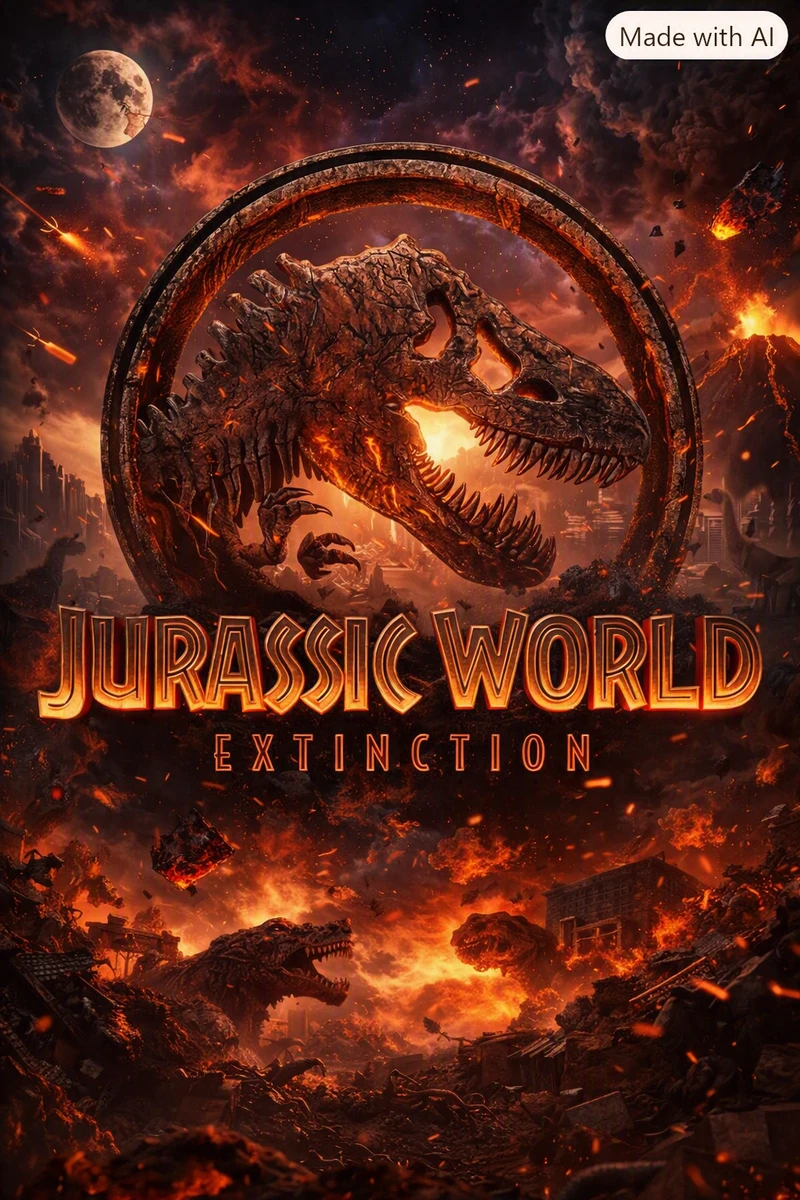
In a world where humanity's dominance is challenged by apex prehistoric predators, Jurassic World: Extinction follows the journey of Zach Mitchell and Lex Grady as they navigate the chaos that unfolds when a bio-engineered hybrid known as the Ultimasaurus breaks free. With the help of their family—Owen Grady, Claire Dearing, and Maisie Lockwood—they must unite to protect their sanctuary from this formidable threat. As they confront the hybrid's relentless power, Zach learns to face his past trauma with Lex by his side, forging a deep bond that transcends mere survival.Set against the backdrop of Isla Sorna, the film explores themes of family, resilience, and coexistence with nature. As the characters evolve from mere survivors to a cohesive unit, they discover that true strength lies not in controlling the dinosaurs but in learning to live alongside them. Ultimately, they must confront their fears and fight for a future where both humans and dinosaurs can coexist in harmony.