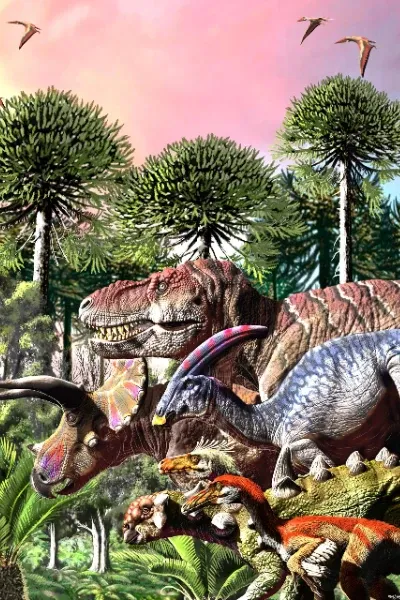
Oviraptor (meaning "egg seizer" or "egg thief") is a genus of oviraptorid dinosaur that lived in Asia during the Late Cretaceous period. The first remains were collected from the Djadokhta Formation of Mongolia in 1923 during a paleontological expedition led by Roy Chapman Andrews, and in the following year the genus and type species Oviraptor philoceratops were named by Henry Fairfield Osborn. The genus name refers to the initial thought of egg-stealing habits, and the specific name was intended to reinforce this view indicating a preference over ceratopsian eggs. Despite the fact that numerous specimens have been referred to the genus, Oviraptor is only known from a single partial skeleton regarded as the holotype, as well as a nest of about fifteen eggs and several small fragments from a juvenile. Oviraptor was a rather small feathered oviraptorid, estimated at 1.6 m (5.2 ft) long with a weight between 33–40 kg (73–88 lb). It had a wide lower jaw with a skull that likely had a crest. Both upper and lower jaws were toothless and developed a horny beak, which was used during feeding along the robust morphology of the lower jaws. The arms were well-developed and elongated ending in three fingers with curved claws. Like other oviraptorids, Oviraptor had long hindlimbs that had four-toed feet, with the first toe reduced. The tail was likely not very elongated, and ended in a pygostyle that supported large feathers. The initial relationships of Oviraptor were poorly understood at the time and was assigned to the unrelated Ornithomimidae by the original describer, Henry Osborn. However, re-examinations made by Rinchen Barsbold proved that Oviraptor was distinct enough to warrant a separate family, the Oviraptoridae. When first described, Oviraptor was interpreted as an egg-thief, egg-eating dinosaur given the close association of the holotype with a dinosaur nest. However, findings of numerous oviraptorosaurs in nesting poses have demonstrated that this specimen was actually brooding the nest and not stealing nor feeding on the eggs. Moreover, the discovery of remains of a small juvenile or nestling have been reported in association with the holotype specimen, further supporting parental care.
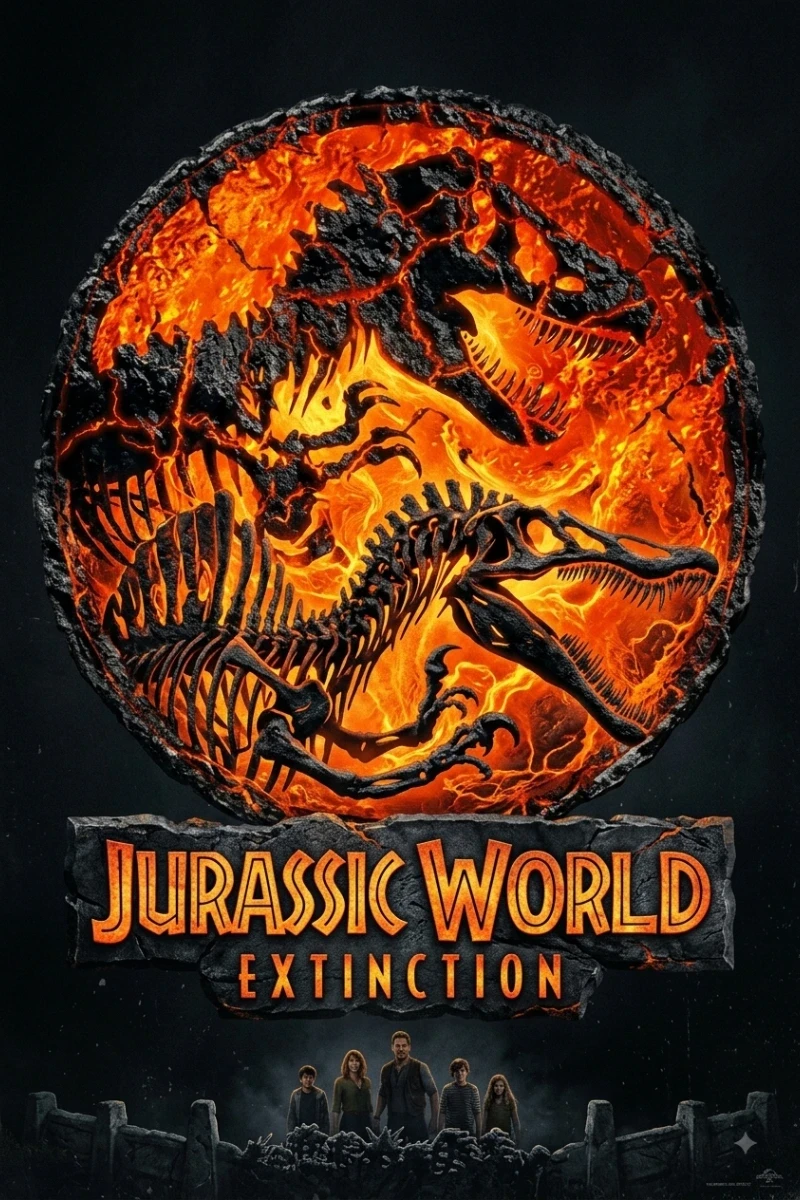
In a world where humanity's dominance is challenged by apex prehistoric predators, Jurassic World: Extinction follows the journey of Zach Mitchell and Lex Grady as they navigate the chaos that unfolds when a bio-engineered hybrid known as the Ultimasaurus breaks free. With the help of their family—Owen Grady, Claire Dearing, and Maisie Lockwood—they must unite to protect their sanctuary from this formidable threat. As they confront the hybrid's relentless power, Zach learns to face his past trauma with Lex by his side, forging a deep bond that transcends mere survival.Set against the backdrop of Isla Sorna, the film explores themes of family, resilience, and coexistence with nature. As the characters evolve from mere survivors to a cohesive unit, they discover that true strength lies not in controlling the dinosaurs but in learning to live alongside them. Ultimately, they must confront their fears and fight for a future where both humans and dinosaurs can coexist in harmony.