Deinosuchus (/ˌdaɪnəˈsjuːkəs/) is an extinct genus of crocodilian related to the modern alligator that lived 82 to 73 million years ago (Ma), during the late Cretaceous period. The name translates as "terrible crocodile" and is derived from the Greek deinos (δεινός), "terrible", and soukhos (σοῦχος), "crocodile". The first remains were discovered in North Carolina (United States) in the 1850s; the genus was named and described in 1909. Additional fragments were discovered in the 1940s and were later incorporated into an influential, though inaccurate, skull reconstruction at the American Museum of Natural History. Knowledge of Deinosuchus remains incomplete, but better cranial material found in recent years has expanded scientific understanding of this massive predator. Sometimes known as the saltwater crocodile of prehistoric times, it had the strongest bite force in the world at approximately 23,000 PSI (1,617 KG/CM2). Although Deinosuchus was far larger than any modern crocodile or alligator, with the largest adults measuring 12 meters (39 ft) in total length, its overall appearance was fairly similar to its smaller relatives. It had large, robust teeth built for crushing, and its back was covered with thick hemispherical osteoderms. One study indicated Deinosuchus may have lived for up to 50 years, growing at a rate similar to that of modern crocodilians, but maintaining this growth over a much longer time. Deinosuchus fossils have been described from 10 U.S. states, including Texas, Montana, and many along the East Coast. Fossils have also been found in northern Mexico. It lived on both sides of the Western Interior Seaway, and was an opportunistic apex predator in the coastal regions of eastern North America. Deinosuchus reached its largest size in its western habitat, but the eastern populations were far more abundant. Opinion remains divided as to whether these two populations represent separate species. Deinosuchus was probably capable of killing and eating large dinosaurs. It may have also fed upon sea turtles, fish, and other aquatic and terrestrial prey.
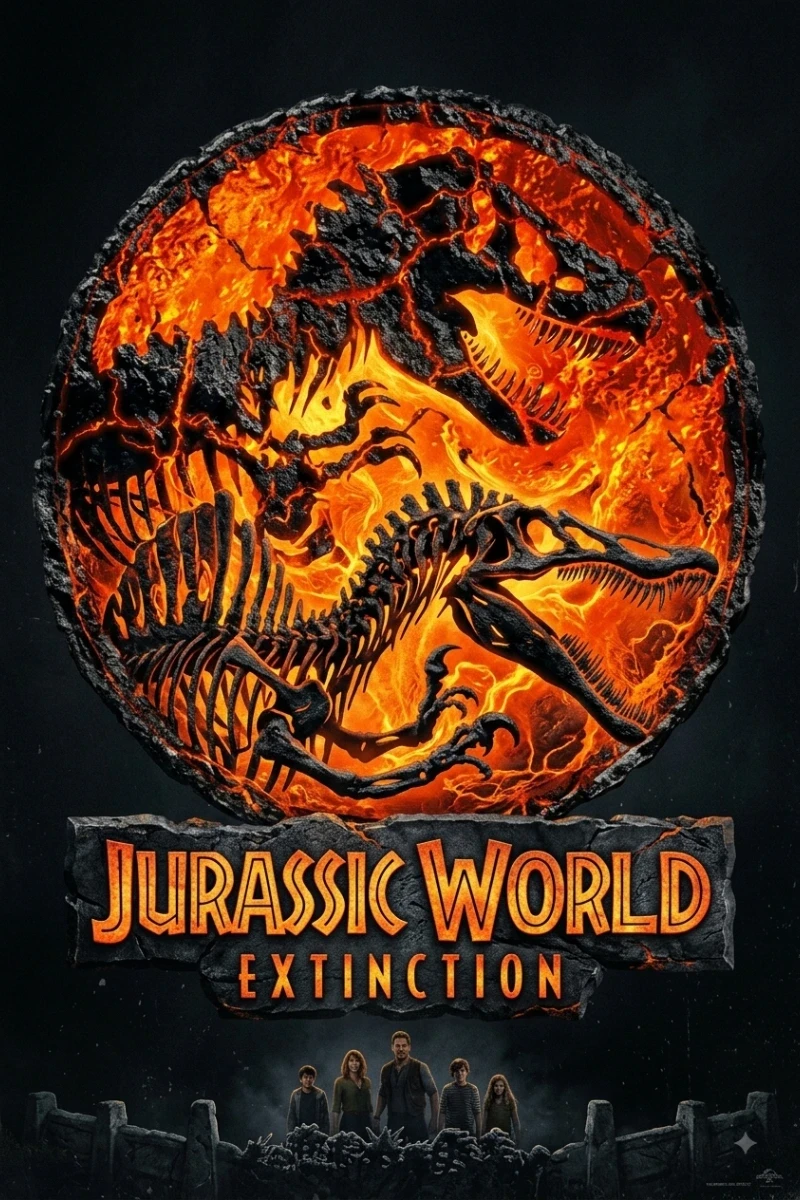
In a world where humanity's dominance is challenged by apex prehistoric predators, Jurassic World: Extinction follows the journey of Zach Mitchell and Lex Grady as they navigate the chaos that unfolds when a bio-engineered hybrid known as the Ultimasaurus breaks free. With the help of their family—Owen Grady, Claire Dearing, and Maisie Lockwood—they must unite to protect their sanctuary from this formidable threat. As they confront the hybrid's relentless power, Zach learns to face his past trauma with Lex by his side, forging a deep bond that transcends mere survival.Set against the backdrop of Isla Sorna, the film explores themes of family, resilience, and coexistence with nature. As the characters evolve from mere survivors to a cohesive unit, they discover that true strength lies not in controlling the dinosaurs but in learning to live alongside them. Ultimately, they must confront their fears and fight for a future where both humans and dinosaurs can coexist in harmony.