
Died at 106
male
Toshirō Mifune (April 1, 1920 - December 24, 1997) was a Japanese actor who is widely regarded as one of the greatest actors in the history of Japanese cinema. He was born in Qingdao, China, but was raised in Japan. Mifune's career spanned over 50 years, during which he collaborated extensively with renowned director Akira Kurosawa, creating some of the most iconic films in Japanese cinema. Mifune gained international recognition for his performances in Kurosawa's films, particularly in samurai films. He portrayed strong, dynamic, and often rebellious characters, bringing a raw intensity to his roles. Some of his notable collaborations with Kurosawa include "Rashomon" (1950), "Seven Samurai" (1954), "Yojimbo" (1961), and "The Hidden Fortress" (1958), which inspired George Lucas's "Star Wars." Apart from his work with Kurosawa, Mifune appeared in numerous other films, showcasing his versatility as an actor. He played roles in various genres, including dramas, comedies, and war films. Some of his other notable films include "The Throne of Blood" (1957), "High and Low" (1963), and "Red Beard" (1965). Mifune's charismatic presence, powerful performances, and ability to convey complex emotions made him an iconic figure in Japanese cinema. He received international recognition and awards for his contributions to the film industry, including several honors at the Venice Film Festival and a lifetime achievement award from the Academy of Motion Picture Arts and Sciences.
Toshirō Mifune
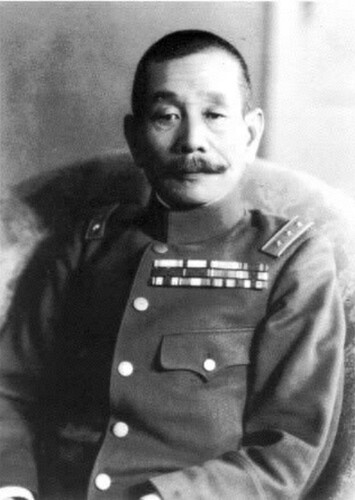
General Iwane Matsui
for General Iwane Matsui in John Rabe (1989)
Suggested by adrianpintado
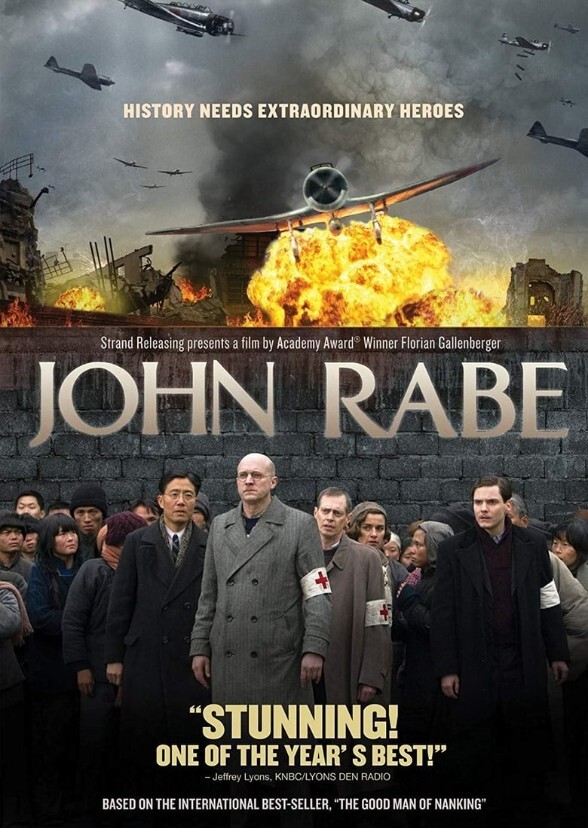
An international co-production between Germany, China and France, the film focuses upon the experiences of Rabe (Ulrich Tukur), a German businessman who used his Nazi Party membership to create a protective International Safety Zone in Nanjing, China, helping to save over 200,000 Chinese from the Nanjing Massacre in late 1937 and early 1938. The massacre and its associated atrocities were committed subsequent to the Battle of Nanjing by the invading Imperial Japanese Army after they defeated the Chinese Nationalist forces defending the city during the Second Sino-Japanese War. Filming commenced in 2007, and it premiered at the 59th Berlin International Film Festival on 7 February 2009. Upon release, it did not receive theatrical distribution in Japan and was the subject of vociferous refutations by Japanese ultranationalists who denied the events ever took place.[3] The film was released elsewhere to mixed critical reception.

