Died at 84
male
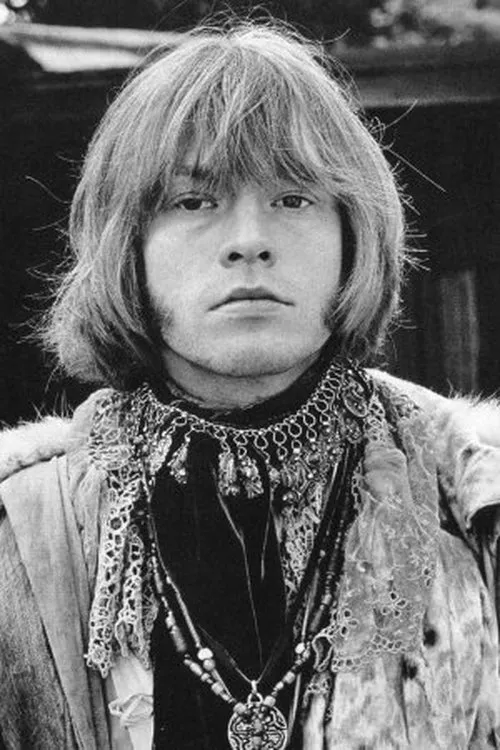
Lewis Brian Hopkin Jones (28 February 1942 – 3 July 1969) was an English musician and composer, best known as the founder and original leader of the Rolling Stones. Initially a slide guitarist, Jones went on to play a wide variety of instruments on Rolling Stones recordings and in concerts, including rhythm guitar, lead guitar, sitar, dulcimer, various keyboard instruments such as piano and mellotron, marimba, wind instruments such as harmonica, recorder, saxophone, as well as drums, vocals and numerous others. After he founded the Rolling Stones as a British blues outfit in 1962, and gave the band its name, Jones' fellow band members Keith Richards and Mick Jagger began to take over the band's musical direction, especially after they became a successful songwriting team. Jones and fellow guitarist Richards also developed a unique style of guitar play that Richards refers to as the "ancient art of weaving" where both players would play rhythm and lead parts together. Richards continued the style with later guitarists, and the sound became a Rolling Stones trademark. Jones, however, did not get along with the band's manager, Andrew Loog Oldham, who pushed the band into a musical direction at odds with Jones' blues background. When Jones developed alcohol and drug problems, his performance in the studio became increasingly unreliable, leading to a diminished role within the band he had founded. In June 1969, the Rolling Stones dismissed Jones; guitarist Mick Taylor took his place in the group. Jones died less than a month later, drowning in the swimming pool at his home at the age of 27. Jones’ death was referenced in songs by many other pop-bands, and was the subject of poems by Pete Townshend and Jim Morrison. Referring to Jones, the Rolling Stones' Bill Wyman lamented the waste of a great innovator. In 1989, the Rolling Stones, including Jones, were inducted into the Rock and Roll Hall of Fame. Description above from the Wikipedia article Brian Jones, licensed under CC-BY-SA, full list of contributors on Wikipedia.

Riley is now in high school. She's doing well in SATs and ACTs, she got her driver's license, and she's varsity captain on her school hockey team. Along the way, new emotions are introduced: love, shame, and temptation. Riley is 17 going on 18 and is hoping to graduate with honors. Some of the emotions at Headquarters think that what's more important is the senior prom. The only thing is... Who will she go with. One thing leads to another and some of the emotions, including Love, get lost in Long Term Memory again. Temptation, Shame, and Mischief propose a plan to make Riley popular (cheating on a test, pranking the cool kids, etc.), which results in getting bad grades, a visit to the principal's office and a visit to the guidance counsellor. The longer it takes for Joy and the others to get home, the more it's likely Riley will get suspended. Shame lives up to his name and tries to get Joy and the others back to Headquarters before it's too late.