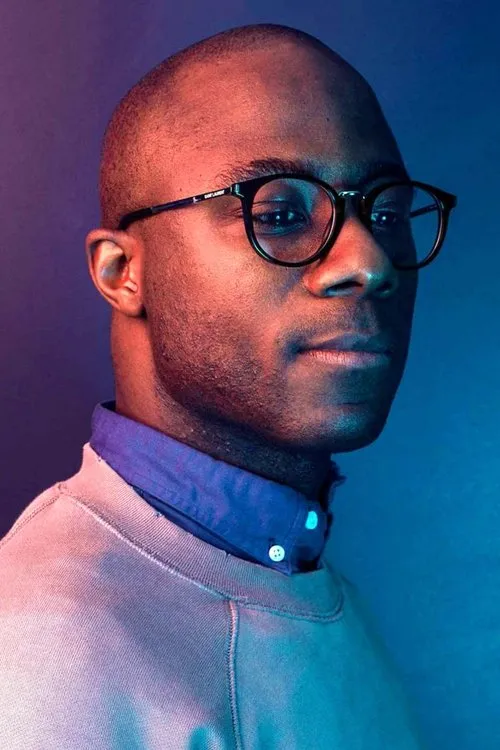
Age: 46
male
Barry Jenkins (born November 19, 1979) is an American filmmaker. After making his filmmaking debut with the short film My Josephine (2003), he directed his first feature film, Medicine for Melancholy (2008), for which he received an Independent Spirit Award nomination for Best First Feature. He is also a creative collaborator and a member of The Chopstars collective. Following an eight-year hiatus from feature filmmaking, Jenkins directed and co-wrote the LGBTQ-themed independent drama Moonlight (2016), which won numerous accolades, including the Academy Award for Best Picture. Jenkins received an Oscar nomination for Best Director and jointly won the Academy Award for Best Adapted Screenplay with Tarell Alvin McCraney. He became the fourth Black person nominated for Best Director and the second to direct a Best Picture winner. He released his third directorial feature If Beale Street Could Talk 2018, to critical praise and earned nominations for his screenplay at the Academy Awards and Golden Globes. He is also known for his work in television. In 2017, Jenkins directed "Chapter V" of the Netflix series Dear White People. In 2021, he created and directed the Amazon Video limited series The Underground Railroad, based on the novel of the same name. The series received a Primetime Emmy Award for Outstanding Directing for a Limited Series or Movie nomination and won a Peabody Award. In 2017, Jenkins was included on the annual Time 100 list of the most influential people in the world. Description above from the Wikipedia article Barry Jenkins, licensed under CC-BY-SA, full list of contributors on Wikipedia.
Barry Jenkins

Director
for Director in Inner Urge: The Joe Henderson Story
Suggested by kamsismith
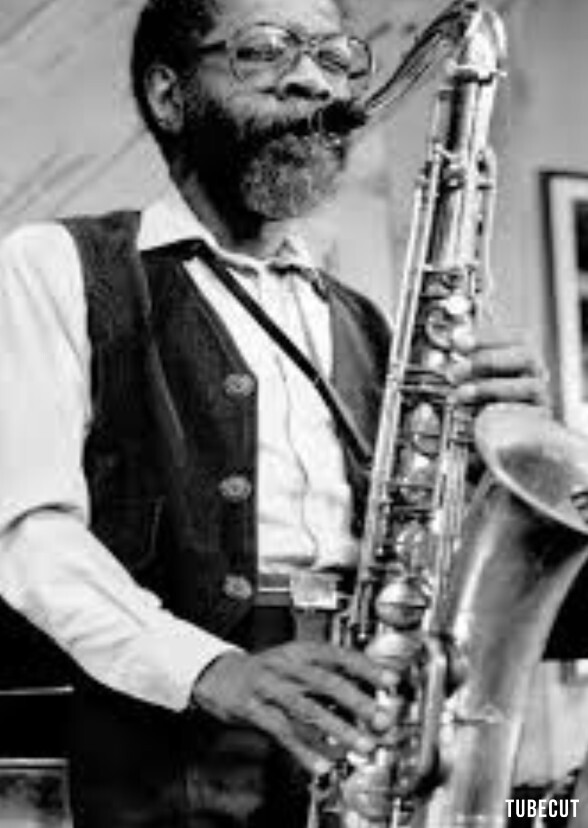
"Inner Urge" is a powerful, character-driven miniseries that follows the life and music of Joe Henderson, a jazz tenor saxophonist whose signature sound and spirit captivated audiences for over four decades. From his early days in Ohio to his rise on the Blue Note scene in New York, the series explores Henderson’s journey as an artist deeply dedicated to his craft, yet equally beset by the racial, social, and economic hardships faced by many Black musicians of his time. With the soundtrack of an era that defined a generation, we watch Joe carve out his place in jazz history, collaborating with luminaries like Herbie Hancock, Miles Davis, and Freddie Hubbard, while also wrestling with his own "inner urge" to push the boundaries of his art. As Joe matures, he becomes a central figure in defining jazz fusion, bossa nova, and modal jazz, constantly challenging and transforming the genre. Each episode spotlights a different period and musical milestone, from his days recording classics like Page One and Mode for Joe with Blue Note Records, to his triumphant return to the spotlight in the ’80s and ’90s with Verve, where he won Grammy Awards and proved that true artistry has no expiration.

