Died at 88
female
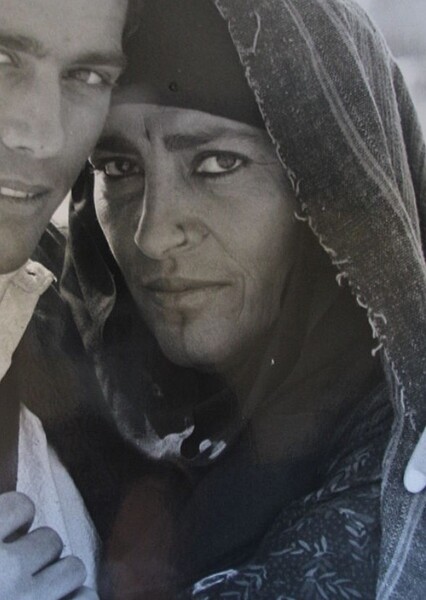
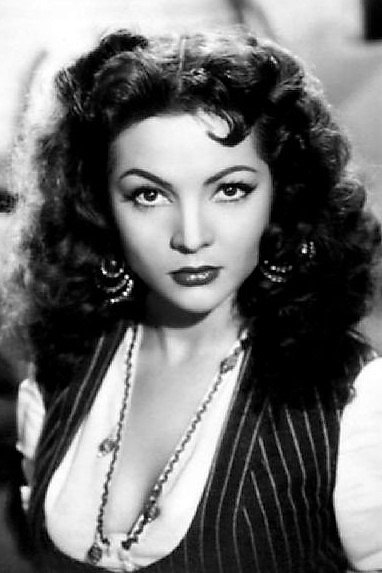
Claude Joséphine Rose "Claudia" Cardinale (15 April 1938 – 23 September 2025) was an Italian actress. Regarded as one of the leading figures of Italian cinema, alongside Sophia Loren and Gina Lollobrigida, she achieved international recognition during a career spanning more than six decades. Celebrated in the 1960s as "the most beautiful woman in the world" and widely considered a sex symbol of the era, Cardinale appeared in more than 175 films, primarily in Italy and France, across genres including comedy, drama, spaghetti westerns, and historical epics. She collaborated with acclaimed directors such as Federico Fellini, Sergio Leone, and Werner Herzog, and several of her films are regarded as significant works in the history of cinema. At the time of her death, she was one of the last surviving stars from the Golden Age of European cinema. Born and raised in La Goulette, a municipality in Tunisia near Tunis, Cardinale won the "Most Beautiful Italian Girl in Tunisia" competition in 1957, the prize being a trip to Italy, which quickly led to film contracts, due above all to the involvement of producer Franco Cristaldi, who acted as her mentor for a number of years and later married her. After making her debut in a minor role with Egyptian star Omar Sharif in Goha (1958), Cardinale became one of the best-known actresses in Italy, with roles in films such as Rocco and His Brothers (1960), Girl with a Suitcase (1961), Cartouche (1962), The Leopard (1963) and Federico Fellini's 8½ (1963). From 1963, Cardinale appeared in The Pink Panther opposite David Niven. She went on to appear in the Hollywood films Blindfold (1966), Lost Command (1966), The Professionals (1966), Don't Make Waves (1967) with Tony Curtis, The Hell with Heroes (1968), The Red Tent (1969), A Fine Pair (1968), The Salamander (1981), and the Sergio Leone Western Once Upon a Time in the West (1968), a joint U.S.–Italian production, in which she was praised for her role as a former prostitute opposite Jason Robards, Charles Bronson and Henry Fonda. Jaded with Hollywood and not wanting to become a cliché, Cardinale returned to Italian and French cinema and garnered the David di Donatello for Best Actress award for her roles in The Day of the Owl (1968) and as a prostitute alongside Alberto Sordi in A Girl in Australia (1971).[1] In 1974, Cardinale met director Pasquale Squitieri, who would become her partner. She frequently featured in his films, including Blood Brothers (1974), Father of the Godfathers (1978) and Claretta (1984), the last of which won her the Nastro d'Argento Award for Best Actress. In 1982, she starred in Werner Herzog's Fitzcarraldo as the love interest of Klaus Kinski, who raises the funds to buy a steamship in Peru. In 2010, Cardinale received the Best Actress Award at the 47th Antalya "Golden Orange" International Film Festival for her performance as an elderly Italian woman who takes in a young Turkish exchange student in Signora Enrica. Over the years, Cardinale was outspoken about women's rights and became a UNESCO goodwill ambassador for the Defence of Women's Rights beginning in March 2000. In February 2011, the Los Angeles Times Magazine named Cardinale among the 50 most beautiful women in film history. ... Description above from the Wikipedia article Claudia Cardinale, licensed under CC-BY-SA, full list of contributors on Wikipedia.
Claudia Cardinale

Nawal Shafiq-Barclay
for Nawal Shafiq-Barclay in Indiana Jones and the Great Circle (1987)
Suggested by adrianpintado
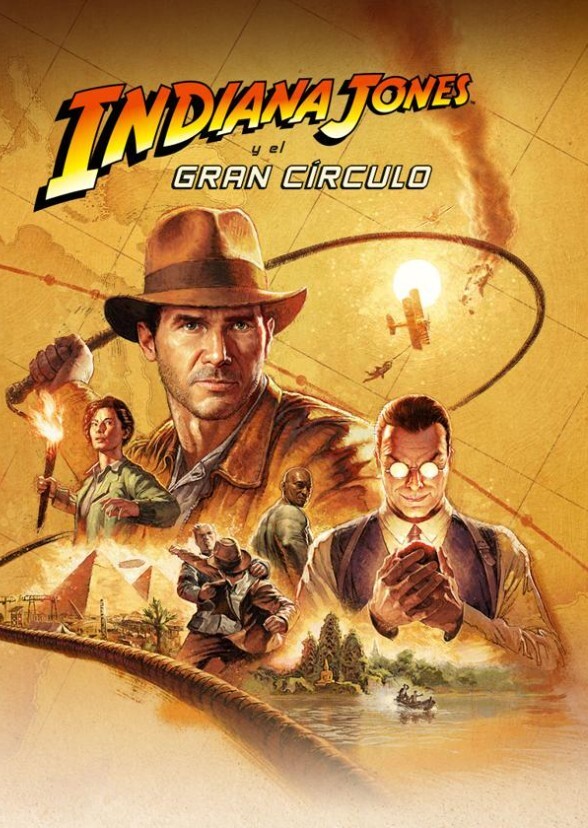
Indiana Jones and the Great Circle features an original narrative that draws inspiration from the film series. The story is set in 1937, placing it in between the events of the first film Raiders of the Lost Ark (set in 1936), and the third film Indiana Jones and the Last Crusade (set in 1938). Like both films, the game takes place before the events of World War II, with the Axis powers (Nazi Germany, Fascist Italy, and the Empire of Japan) returning as antagonists. Jones will also encounter Blackshirts, members of Italy's National Fascist Party. The game picks up after Jones has left his fiancée, Marion Ravenwood. Following the theft of an artifact from Marshall College, Jones heads to the Vatican to investigate. He discovers that sites of spiritual significance have been built throughout history, realizing that their locations form a perfectly aligned circle around the globe. Besides Rome, other locations include the Sukhothai temples in Thailand, the Egyptian pyramids, Shanghai in China, and the snowy Himalayas. During his journey, he teams up with Gina Lombardi, an investigative reporter who has an interest in the case. They go up against Emmerich Voss, who uses psychological manipulation against his enemies.