Age: 30
female
Florence Pugh (/pjuː/ PEW; born 3 January 1996) is an English actress. After making her acting debut in the drama film The Falling (2014), Pugh gained praise for starring in the independent drama Lady Macbeth (2016) and the miniseries The Little Drummer Girl (2018). Her international breakthrough came in 2019 with her portrayals of professional wrestler Paige in the sports film Fighting with My Family, a despondent American woman in the horror film Midsommar, and Amy March in the period drama Little Women. For the last of these, she was nominated for the Academy Award for Best Supporting Actress. Pugh has played Yelena Belova in the Marvel Cinematic Universe, starring in the films Black Widow (2021) and Thunderbolts* (2025) and the Disney+ miniseries Hawkeye (2021). In her highest-grossing releases, she voiced Goldilocks in Puss in Boots: The Last Wish (2022) and portrayed Jean Tatlock in Oppenheimer (2023) and Princess Irulan in Dune: Part Two (2024). She also continued to gain praise for her performances in dramas such as We Live in Time (2024). Description above from the Wikipedia article Florence Pugh, licensed under CC-BY-SA, full list of contributors on Wikipedia.
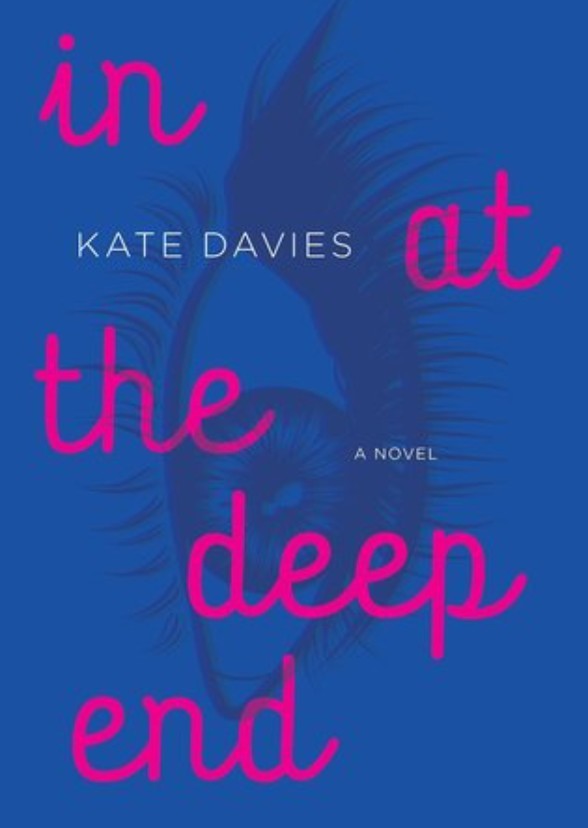
Julia hasn’t had sex in three years. Her roommate has a boyfriend—and their sex noises are audible through the walls, maybe even throughout the neighborhood. Not to mention, she’s treading water in a dead-end job, her know-it-all therapist gives her advice she doesn’t ask for, and the men she is surrounded by are, to be polite, subpar. Enough is enough. So when Julia gets invited to a warehouse party in a part of town where “trendy people who have lots of sex might go on a Friday night”—she readily accepts. Whom she meets there, however, is surprising: a conceptual artist, also a woman. Julia’s sexual awakening begins; her new lesbian life, as she coins it, is exhilarating. She finds her tribe at queer swing dancing classes, and guided by her new lover Sam, she soon discovers London’s gay bars and BDSM clubs, and . . . the complexities of polyamory. Soon it becomes clear that Sam needs to call the shots, and Julia’s newfound liberation comes to bear a suspicious resemblance to entrapment . . .