male
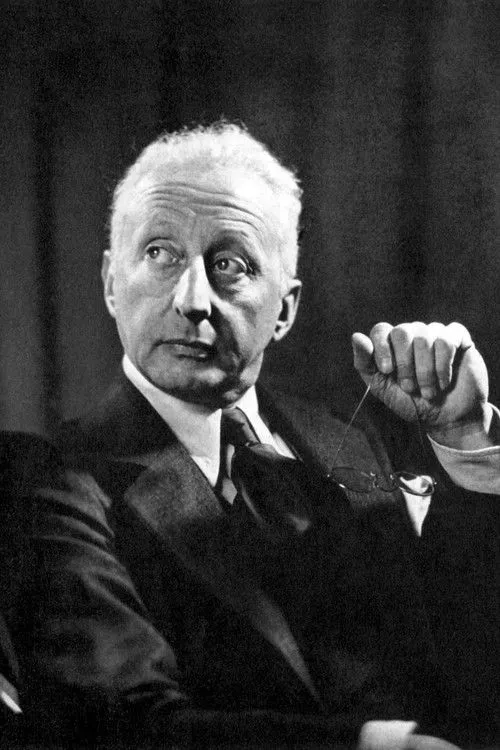
From Wikipedia, the free encyclopedia Jerome David Kern (January 27, 1885 – November 11, 1945) was an American composer of musical theatre and popular music. One of the most important American theatre composers of the early 20th century, he wrote more than 700 songs, used in over 100 stage works, including such classics as "Ol' Man River", "Can't Help Lovin' Dat Man", "A Fine Romance", "Smoke Gets in Your Eyes", "The Song Is You", "All the Things You Are", "The Way You Look Tonight", "Long Ago (and Far Away)" and "Who?". He collaborated with many of the leading librettists and lyricists of his era, including George Grossmith Jr., Guy Bolton, P. G. Wodehouse, Otto Harbach, Oscar Hammerstein II, Dorothy Fields, Johnny Mercer, Ira Gershwin and E. Y. Harburg. A native New Yorker, Kern created dozens of Broadway musicals and Hollywood films in a career that lasted for more than four decades. His musical innovations, such as 4/4 dance rhythms and the employment of syncopation and jazz progressions, built on, rather than rejected, earlier musical theatre tradition. He and his collaborators also employed his melodies to further the action or develop characterization to a greater extent than in the other musicals of his day, creating the model for later musicals. Although dozens of Kern's musicals and musical films were hits, only Show Boat is now regularly revived. Songs from his other shows, however, are still frequently performed and adapted. Many of Kern's songs have been adapted by jazz musicians to become standard tunes.

The Novotný family can't longer live in Czechoslovakia and pretend that communism is great and they were doing well, it was not true and everyone knew it. They had it worse because they are Christians, which meant that they were insulted by people devoted to communism, like teachers, people in offices, or higher-ranking workers in the company, but the worst was the frequent interrogations by STB policemen. Novotny had a dream to live in America. Getting from the ČSSR to the West was complicated in the 70s. The communist authorities tried to reduce emigration to a minimum, and if someone was released from the wired Soviet territory, his relatives (spouse, children) had to stay at home as hostages, as insurance, and if the person did not return, then the family was over. A passport was not enough to travel, an exit clause and a promise of foreign currency were also required, all of that was conditioned by many assessments on the basis of which the state apparatus decided. 3 people knew about the emigration: Monica's brother Petr, Tomáš's sister Lucie and friend Karel. They went to the station, where several checks awaited them and also in train. They got across a border to Austria, where Jakub and Sára waited, they lived there for a while and then quickly to USA. When they saw Statue of Liberty from the plane window, they cried. Even life in new homeland isn't easy, but in America it is wonderful. The Novotnys changed their name to Newman and opened a shoe store in Brooklyn.