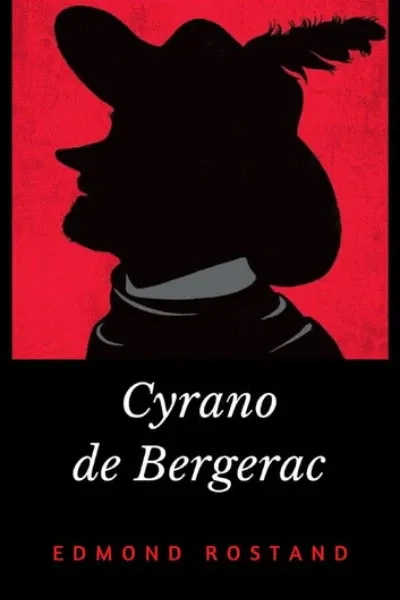
Cyrano de Bergerac (/ˌsɪrənoʊ də ˈbɜːrʒəræk, - ˈbɛər-/ SIRR-ə-noh də BUR-zhə-rak, – BAIR-, French: [siʁano d(ə) bɛʁʒəʁak]) is a French play written in 1897 by Edmond Rostand. The play includes elements of the life of the 17th-century novelist and playwright Cyrano de Bergerac, along with elements of invention and myth. Cyrano's large nose is based on reality but in performance of the play is usually exaggerated.
The play has been translated and performed many times, and it is responsible for introducing the word panache into the English language.[2] The character of Cyrano himself makes reference to "my panache" in the play. The most famous English translations are those by Brian Hooker, Anthony Burgess, and Louis Untermeyer.