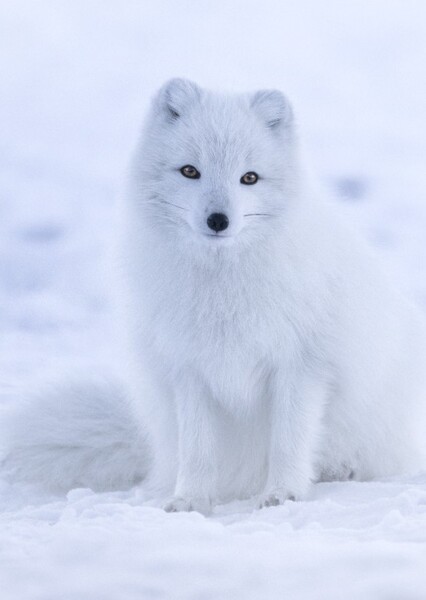
The elk (Cervus canadensis), also known as the wapiti, is one of the largest species within the deer family, Cervidae, and one of the largest terrestrial mammals in its native range of North America, as well as Central and East Asia. The common name elk, used in North America, creates confusion because the larger Alces alces, which is called moose in North America, is also called elk in British English, and related names in other European languages (German Elch, Swedish älg, French élan). The name "wapiti" is sometimes used in North America for Cervus canadensis. It originates from the Shawnee and Cree word waapiti, meaning 'white rump'. Elk range in forest and forest-edge habitat, feeding on grasses, plants, leaves, and bark. Male elk have large antlers which they shed each year. Males also engage in ritualized mating behaviors during the rut, including posturing, antler wrestling (sparring), and bugling, a loud series of vocalizations that establishes dominance over other males and attracts females. Although it is currently native to North America and central/eastern Asia, it had a much wider distribution in the past. Populations were present across Eurasia into Western Europe during the Late Pleistocene and survived into the early Holocene in southern Sweden and the Alps; the extinct Merriam's elk subspecies ranged into Mexico. The elk has adapted well to countries where it has been introduced, including Argentina and New Zealand. Its adaptability may in fact threaten endemic species and the ecosystems into which it has been introduced. Elk are susceptible to a number of infectious diseases, some of which can be transmitted to livestock. Efforts to eliminate infectious diseases from elk populations, largely by vaccination, have had mixed success. Some cultures revere the elk as having spiritual significance. In parts of Asia, antlers and their velvet are used in traditional medicines. Elk are hunted as a game species. Their meat is leaner and higher in protein than beef or chicken. Elk were long believed to belong to a subspecies of the European red deer (Cervus elaphus), but evidence from many mitochondrial DNA genetic studies beginning in 1998 shows that the two are distinct species. Key morphological differences that distinguish C. canadensis from C. elaphus are the former's wider rump patch and paler-hued antlers.
Elk (Animal)

Megafauna Of North America
for Megafauna Of North America in Ice Age
Suggested by jacobtolentino
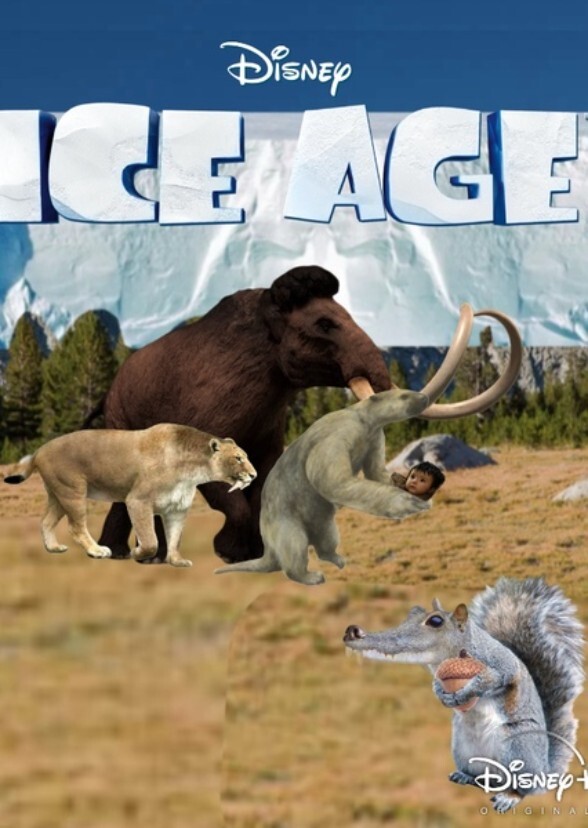
Ice Age is a film of 2022 Directed by Jon Favreau and Produced by Disney and 20th Century Studios, in this Movie it Takes a Place in North America on Landscapes of Pleistocene 2.6 million to 11,700 BC. A Bull woolly mammoth Manny (Kevin James) Shasta Ground sloth Sid (Jim Parsons) and Saber-tooth Cat Diego (Sam Worthington) are headed back to quest take our baby Named Roshan to Returns Him to his Tribe Along with thier Trusty Sidekicks Brent the Giant LongHorn Bison (Brian Tyree Henry) Chloe the Albino White Tailed Doe (Lily Collins) Laura the Mare Hagerman Horse (Auli'l Cravalho) and Cadice the Female Western Camel (Ashley Parks). The film is the live action CGI animated adaptation of the same name, released in 2002. Ice Age are only Steaming on Disney Plus, March 15th. 2022.