Age: 83
male
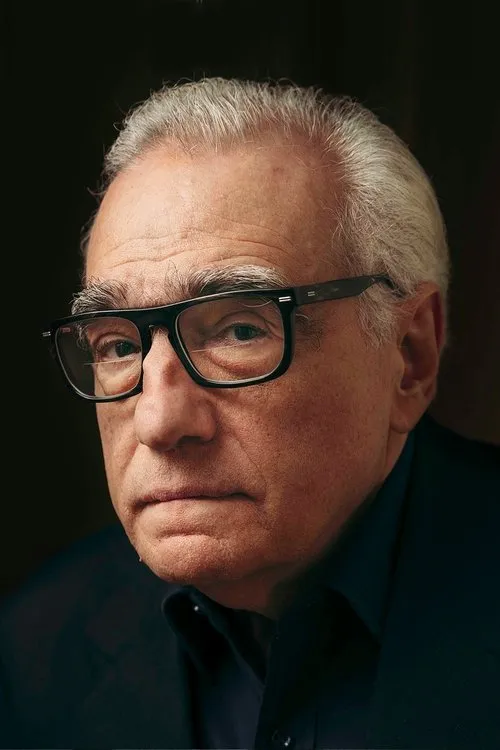
Martin Charles Scorsese (/skɔːrˈsɛsi/ skor-SESS-ee, Italian: [skorˈseːze, -se]; born November 17, 1942) is an American filmmaker. One of the major figures of the New Hollywood era, he has received many accolades, including an Academy Award, four BAFTA Awards, three Emmy Awards, a Grammy Award, and three Golden Globe Awards. He has been honoured with the AFI Life Achievement Award in 1997, the Film Society of Lincoln Center tribute in 1998, the Kennedy Center Honor in 2007, the Cecil B. DeMille Award in 2010, and the BAFTA Fellowship in 2012. Four of his films have been inducted into the National Film Registry by the Library of Congress as "culturally, historically or aesthetically significant". Scorsese received a Master of Arts degree from New York University's Steinhardt School of Culture, Education, and Human Development in 1968. His directorial debut, Who's That Knocking at My Door(1967), was accepted into the Chicago Film Festival. In the 1970s and 1980s, Scorsese's films, much influenced by his Italian-American background and upbringing in New York City, centred on macho-posturing men and explored crime, machismo, nihilism and Catholic concepts of guilt and redemption. His trademark styles of extensive use of slow motion and freeze frames, voice-over narration, graphic depictions of extreme violence and liberal use of profanity were first shown in Mean Streets (1973). Scorsese won the Palme d'Or at Cannes with Taxi Driver (1976), which starred Robert De Niro as a disturbed Vietnam Veteran. De Niro became associated with Scorsese through eight more films, including New York, New York (1977), Raging Bull (1980), The King of Comedy (1982), Goodfellas (1990), Casino (1995) and The Irishman (2019). In the following decades, he garnered box office success with a series of collaborations with Leonardo DiCaprio, including Gangs of New York (2002), The Aviator (2004), The Departed (2006), Shutter Island (2010), and The Wolf of Wall Street (2013). He worked with both De Niro and DiCaprio on Killers of the Flower Moon (2023). He also directed After Hours (1985), The Color of Money (1986), The Last Temptation of Christ (1988), The Age of Innocence (1993), Kundun (1997), Hugo (2011), and Silence (2016). On television, he has directed episodes for the HBO series Boardwalk Empire (2010–2014) and Vinyl (2016), as well as the HBO documentary Public Speaking (2010) and the Netflix docu-series Pretend It's a City (2021). He has also directed several rock documentaries, including The Last Waltz (1978), No Direction Home (2005), and Shine a Light (2008). He has explored film history in the documentaries A Personal Journey with Martin Scorsese Through American Movies(1995) and My Voyage to Italy (1999). An advocate for film preservation and restoration, he has founded three nonprofit organisations: The Film Foundation in 1990, the World Cinema Foundation in 2007 and the African Film Heritage Project in 2017.
Martin Scorsese

Director
for Director in Hysteria: The Steve Clark Story
Suggested by kamsismith
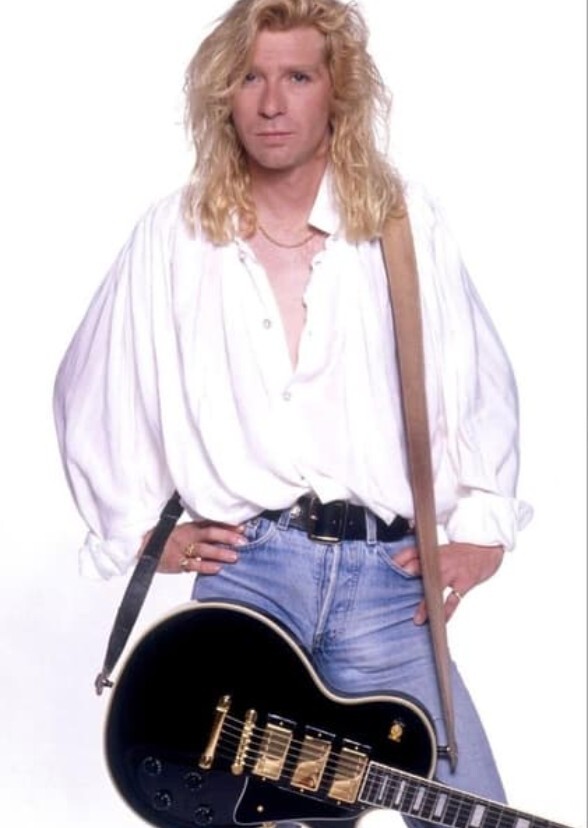
"Hysteria: The Steve Clark Story" is a gripping biopic chronicling the meteoric rise, creative brilliance, and tragic downfall of one of rock’s most iconic yet enigmatic guitarists, Steve Clark of Def Leppard. Set against the backdrop of the 1980s hard rock revolution, the film is a deeply emotional journey through fame, addiction, and the price of genius. From his humble beginnings in Sheffield, England, Steve Clark’s talent with the guitar set him apart—a self-taught prodigy who merged raw emotion with technical mastery. The story follows his rise to stardom with Def Leppard, from their early days as underdogs in the New Wave of British Heavy Metal to their historic breakthrough with Pyromania and the record-shattering Hysteria. As the band climbed the charts, Clark became known as “The Riffmaster,” penning legendary tracks that would forever define rock music. Yet, behind the electrifying performances and stadium anthems lay a man haunted by inner demons. The film delves into Clark’s struggles with self-doubt, the pressures of fame, and his battle with addiction, juxtaposed with moments of pure creative triumph. It also explores the deep camaraderie within Def Leppard, particularly Clark’s complex friendship with bandmate Phil Collen, who tried to guide him through his darkest days.