
Age: 45
female
Carrie Alexandra Coon (born January 24, 1981) is an American actress. Known for her portrayals of complex characters on stage and screen, she has received a Critics' Choice Television Award, as well as nominations for three Primetime Emmy Awards and a Tony Award. On television, her breakout role was as Nora Durst in the drama series The Leftovers (2014–2017). Subsequently, she received her first nomination for Primetime Emmy Awards for Outstanding Lead Actress in a Limited Series or Movie for her role as Gloria Burgle in the third season of the black comedy crime anthology series Fargo (2017), her second for Outstanding Lead Actress in a Drama Series for playing Bertha Russell in the period drama series The Gilded Age (2022–present) and her third for Outstanding Supporting Actress in a Drama Series for her role as Laurie Duffy in the third season of the satirical dramedy anthology series The White Lotus (2025). She made her film debut in Gone Girl (2014), with further roles in films such as The Post (2017), Widows (2018), The Nest (2020), Boston Strangler (2023), and His Three Daughters (2024). She has also portrayed characters in blockbuster films such as Proxima Midnight in Avengers: Infinity War(2018) and Callie Spengler in Ghostbusters: Afterlife (2021) and its sequel, Ghostbusters: Frozen Empire (2024). On stage, Coon made her Broadway debut as the naive wife Honey in the revival of Who's Afraid of Virginia Woolf? (2012), for which she was nominated for the Tony Award for Best Featured Actress in a Play. Description above from the Wikipedia article Carrie Coon, licensed under CC-BY-SA, full list of contributors on Wikipedia.
Carrie Coon

Karen “Green” Navidson
for Karen “Green” Navidson in House of Leaves
Suggested by sepanta_kazemi
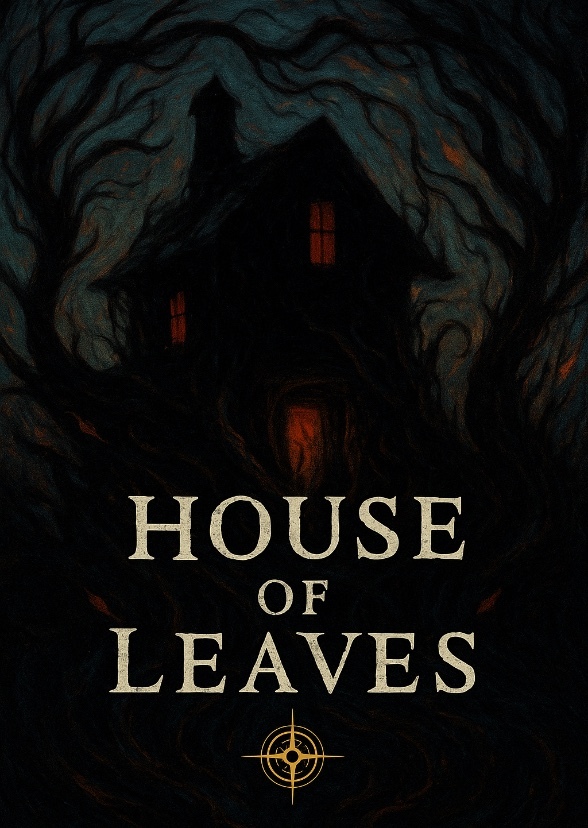
When Pulitzer-winning photojournalist Will Navidson moves his family into a quiet Virginia farmhouse, he hopes for a return to normal life. But soon, an impossible discovery shatters that peace — the house is larger on the inside than it is on the outside. Curiosity turns to obsession as Navidson begins documenting the house’s shifting corridors and endless, cold darkness. The deeper he ventures, the more reality bends: walls breathe, gravity folds, and time dissolves. Parallel to this footage, Johnny Truant, a young man drifting through Los Angeles, stumbles upon the unfinished manuscript of an old, blind scholar named Zampanò — a detailed analysis of Navidson’s impossible film. As Johnny deciphers the text, his own grip on sanity unravels; the house seems to follow him, whispering through every page. Two men, decades apart, become bound by the same labyrinth — one made of brick and shadow, the other of words and fear. Inside both, the same question waits at the end of every corridor: What happens when the space you live in begins to consume you?

