
Age: 32
female
Saoirse Una Ronan (/ˈsɜːrʃə ˈuːnə ˈroʊnən/ SUR-shə OO-nə ROH-nən; born 12 April 1994) is an American-born Irish actress. Primarily known for her work in period dramas since adolescence, she has received various accolades, including a Golden Globe Award and nominations for four Academy Awards and seven British Academy Film Awards. Ronan made her acting debut in 2003 on the Irish medical drama series The Clinic and had her breakthrough role as a precocious teenager in the period drama film Atonement (2007), which earned her a nomination for the Academy Award for Best Supporting Actress. Her career progressed with starring roles in The Lovely Bones (2009) and Hanna (2011) and a supporting role in The Grand Budapest Hotel (2014). Ronan received critical acclaim and nominations for the Academy Award for Best Actress for playing an Irish immigrant in New York in Brooklyn (2015), the eponymous high school senior in Greta Gerwig's Lady Bird (2017)—which won her a Golden Globe—and Jo March in Gerwig's Little Women (2019). Ronan has since produced and starred in the drama The Outrun (2024). On stage, Ronan portrayed Abigail Williams in the 2016 Broadway revival of The Crucible and Lady Macbeth in the 2021 West End revival of The Tragedy of Macbeth. In 2016, she was featured by Forbes in two of their 30 Under 30 lists, and in 2020, The New York Times ranked her tenth on its list of the greatest actors of the 21st century. Description above from the Wikipedia article Saoirse Ronan, licensed under CC-BY-SA, full list of contributors on Wikipedia.
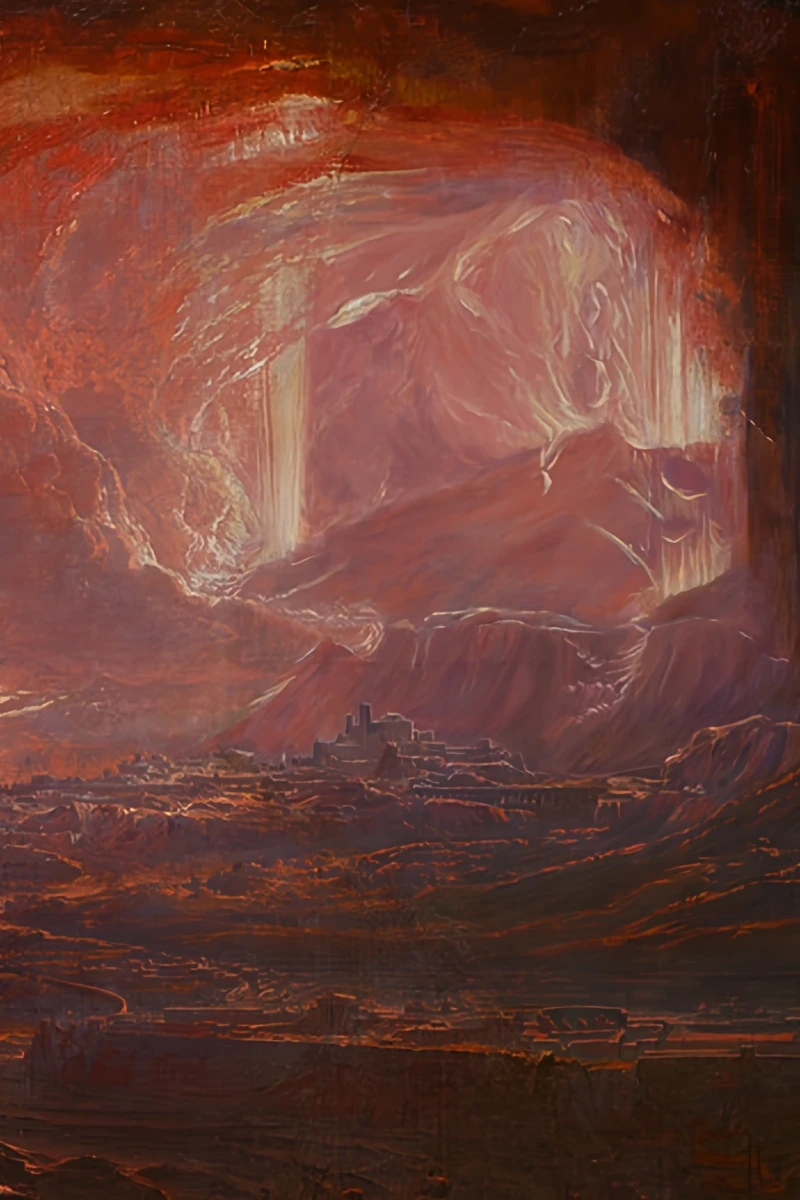
From Davin to the Eternity Gate, this is the Heresy as it should have been—five to six serialized, slow-burn seasons of pure, uncut catastrophe, not a lore anthology or Primarch power-scaling parade, but the Great Crusade’s golden promise rotting from within as the Warmaster takes the knife, the virus bombs eat loyalist lungs on Istvaan III, Prospero’s libraries burn under a brother’s axe, Calth’s sun dies in betrayal, Nuceria drowns in Angron’s ascension, Fulgrim perfects himself into damnation, Mortarion sells his sons for Nurgle’s embrace, Perturabo grinds the Fists into spiteful dust, and the Khan rides alone toward a father who never deserved him—then the Siege, Dorn’s walls cracking, Sanguinius’s wings broken on the Vengeful Spirit, the Emperor and Horus annihilating each other’s souls in a room full of dead dreams, and the Imperium hauled onto the Throne not as victory but as a corpse that will never be allowed to die; this is the tragedy not of good versus evil but of love too late, truth too heavy, and loyalty repaid in ash, where every brother’s bond becomes a wound, every honor is buried in black sand, and the only ending is the slow, grinding realization that the golden age was already dead the moment the Emperor stopped being a father and started being a god.


