
Age: 58
male
Navid Negahban was born and raised in Mashhad, Iran. His passion for acting led him to Germany, where he spent eight years honing his theatrical skills prior to arriving in the US. Navid has been building a strong resume ever since, playing a broad range of intriguing characters for film, theatre, and television. Navid has a powerful leading role in the stunning dramatic feature The Stoning of Soraya M., and significant supporting roles in Brothers with Tobey Maguire, directed by Jim Sheridan, Powder Blue with Jessica Biel and Forest Whitaker, and Charlie Wilson's War opposite Tom Hanks, directed by Mike Nichols. On TV, Navid had a recurring role on the eighth and final season of 24, and guest appearances include Lost, CSI: Miami, Law & Order, Covert Affairs, and NCIS: Los Angeles. Navid recently (2011) appeared as Dr. Robert Stadler in Atlas Shrugged Part 1. He also shot The Power of Few in New Orleans with Christopher Walken and Christian Slater. Navid is currently (2011/2012) playing the chilling Abu Nazir on Showtime's Homeland, with Damian Lewis and Claire Danes. Credit: J. Bass
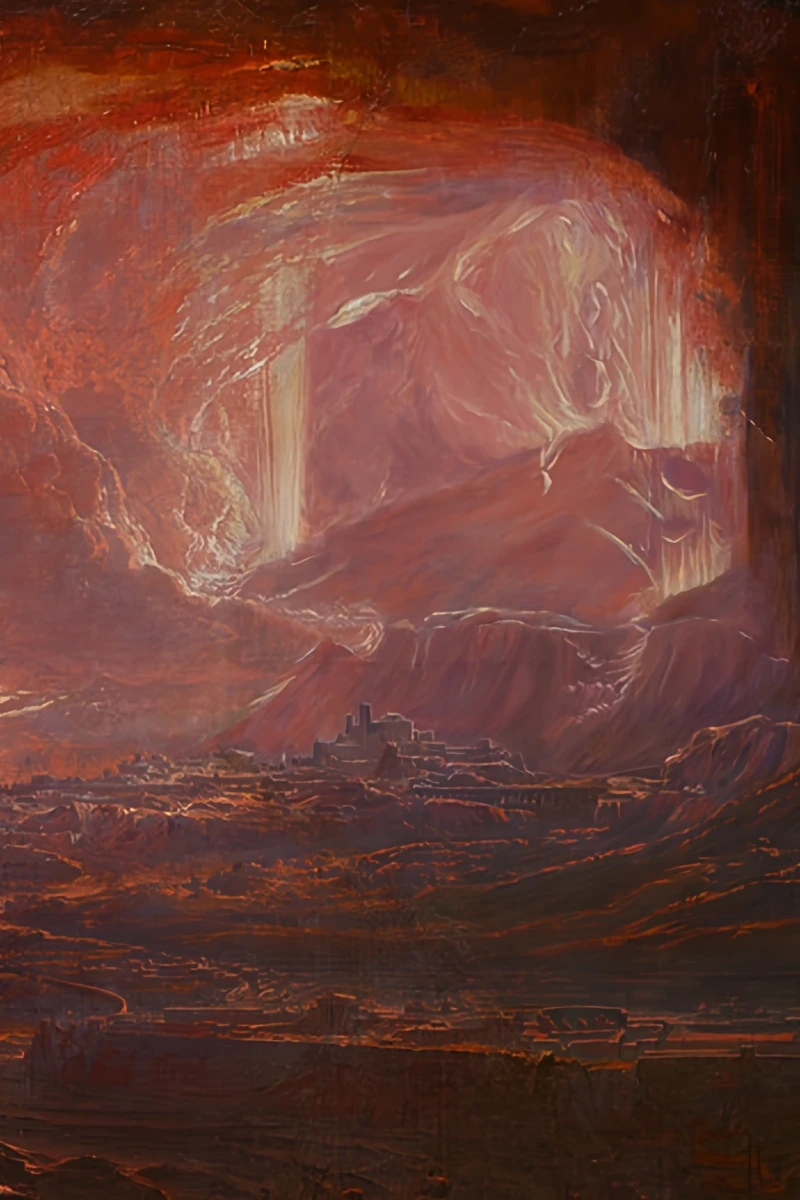
From Davin to the Eternity Gate, this is the Heresy as it should have been—five to six serialized, slow-burn seasons of pure, uncut catastrophe, not a lore anthology or Primarch power-scaling parade, but the Great Crusade’s golden promise rotting from within as the Warmaster takes the knife, the virus bombs eat loyalist lungs on Istvaan III, Prospero’s libraries burn under a brother’s axe, Calth’s sun dies in betrayal, Nuceria drowns in Angron’s ascension, Fulgrim perfects himself into damnation, Mortarion sells his sons for Nurgle’s embrace, Perturabo grinds the Fists into spiteful dust, and the Khan rides alone toward a father who never deserved him—then the Siege, Dorn’s walls cracking, Sanguinius’s wings broken on the Vengeful Spirit, the Emperor and Horus annihilating each other’s souls in a room full of dead dreams, and the Imperium hauled onto the Throne not as victory but as a corpse that will never be allowed to die; this is the tragedy not of good versus evil but of love too late, truth too heavy, and loyalty repaid in ash, where every brother’s bond becomes a wound, every honor is buried in black sand, and the only ending is the slow, grinding realization that the golden age was already dead the moment the Emperor stopped being a father and started being a god.


