Died at 91
male
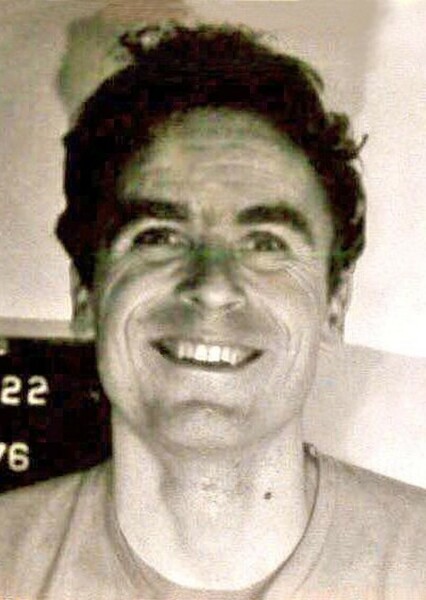
Charles Milles Manson (November 12, 1934 – November 19, 2017) led the California-based Manson Family cult based in the late 1960s. Some cult members committed a series of nine murders at four locations in July and August 1969. In 1971, Manson was convicted of first-degree murder and conspiracy to commit murder for the deaths of seven people, including film actress Sharon Tate. The prosecution contended that while Manson never directly ordered the murders, his ideology constituted an overt act of conspiracy. Before the murders, Manson had spent more than half of his life in correctional institutions. While gathering his cult following, Manson was a singer-songwriter on the fringe of the Los Angeles music industry, chiefly through a chance association with Dennis Wilson of the Beach Boys, who introduced Manson to record producer Terry Melcher. In 1968, the Beach Boys recorded Manson's song "Cease to Exist", renamed "Never Learn Not to Love" as a single B-side, but without a credit to Manson. Afterward, Manson attempted to secure a record contract through Melcher, but was unsuccessful. Manson would often talk about the Beatles, including their 1968 self-titled album. According to Los Angeles County District Attorney, Vincent Bugliosi, Manson felt guided by his interpretation of the Beatles' lyrics and adopted the term "Helter Skelter" to describe an impending apocalyptic race war. During his trial, Bugliosi argued that Manson had intended to start a race war, although Manson and others disputed this. Contemporary interviews and trial witness testimony insisted that the Tate–LaBianca murders were copycat crimes intended to exonerate Manson's friend Bobby Beausoleil. Manson himself denied having instructed anyone to murder anyone. Manson's notoriety as an emblem of insanity, violence, and the macabre influenced pop culture. Recordings of songs written and performed by Manson were released commercially, starting with Lie: The Love and Terror Cult (1970). Since his incarceration, various musicians have covered some of his songs. Although originally sentenced to death in 1971, his sentence was commuted to life with the possibility of parole after the California Supreme Court invalidated the state's death penalty statute in 1972. He served his life sentence at the California State Prison, Corcoran and died at age 83 in late 2017. Description above from the Wikipedia article Charles Manson, licensed under CC-BY-SA, full list of contributors on Wikipedia.
The intersection of real-world atrocities and fictional horror has created a vast ecosystem of media that explores the darkest depths of human history and mythology. Figures like Vlad the Impaler and Elizabeth Bathory serve as the genetic blueprint for vampire lore, while Mary I (Bloody Mary) is immortalised in urban legends and supernatural horror. The Haitian dictator François Duvalier (Papa Doc) as a voodoo practitioner who turned the living population of Haiti into zombies with poison by the secret police, the Tonton Macoutes (VSN). Serial killers like Ted Bundy, Jeffrey Dahmer, and John Wayne Gacy. The English singer Ozzy Osbourne who is known for his "Prince of Darkness" persona, his work—including tracks like Mr. Crowley—is steeped in occultism and horror themes, while the other band groups such as Sisters of Mercy titled "Dominion" has a gothic imagery that aligns with the "darker side of reality" often explored in horror aesthetics, including Meat Loaf which titled of the song "Rock and Roll Dreams Come Through," often utilized gothic and operatic horror elements. Authors like Stephen King and Clive Barker (creator of Hellraiser) have bridged the gap between literature and visual media.