Died at 178
male
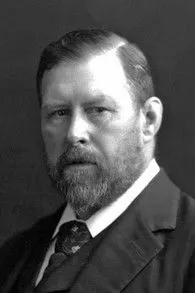
Abraham Stoker (November 8, 1847 – April 20, 1912) was an Irish author, best known today for his 1897 Gothic horror novel Dracula. During his lifetime, he was better known as the personal assistant of actor Sir Henry Irving and business manager of the Lyceum Theatre, which Irving owned. Before writing Dracula, Stoker worked as a theatre critic for an Irish newspaper and wrote stories . He married Florence Balcombe and had one child with her. Stoker also enjoyed travelling, particularly to Cruden Bay where he set two of his novels. In travelling, Stoker went to the English coastal town of Whitby which, in part, inspired his famous work Dracula. He died on 20 April, 1912 of "Locomotor ataxia 6 months" and was then cremated. Description above from the Wikipedia article Bram Stoker, licensed under CC-BY-SA, full list of contributors on Wikipedia.
The intersection of real-world atrocities and fictional horror has created a vast ecosystem of media that explores the darkest depths of human history and mythology. Figures like Vlad the Impaler and Elizabeth Bathory serve as the genetic blueprint for vampire lore, while Mary I (Bloody Mary) is immortalised in urban legends and supernatural horror. The Haitian dictator François Duvalier (Papa Doc) as a voodoo practitioner who turned the living population of Haiti into zombies with poison by the secret police, the Tonton Macoutes (VSN). Serial killers like Ted Bundy, Jeffrey Dahmer, and John Wayne Gacy. The English singer Ozzy Osbourne who is known for his "Prince of Darkness" persona, his work—including tracks like Mr. Crowley—is steeped in occultism and horror themes, while the other band groups such as Sisters of Mercy titled "Dominion" has a gothic imagery that aligns with the "darker side of reality" often explored in horror aesthetics, including Meat Loaf which titled of the song "Rock and Roll Dreams Come Through," often utilized gothic and operatic horror elements. Authors like Stephen King and Clive Barker (creator of Hellraiser) have bridged the gap between literature and visual media.