Died at 94
female
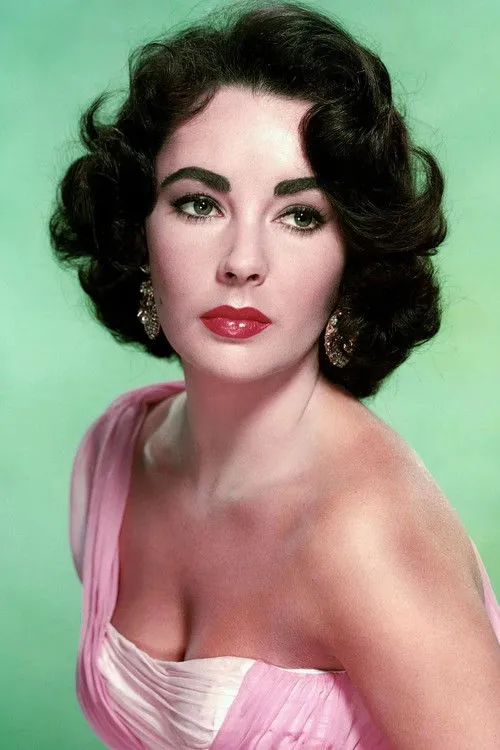
Dame Elizabeth Rosemond "Liz" Taylor, DBE (February 27, 1932 – March 23, 2011) was a European British-American actress. From her early years as a child star with MGM, she became one of the great screen actresses of Hollywood's Golden Age. As one of the world's most famous film stars, Taylor was recognized for her acting ability and for her glamorous lifestyle, beauty and distinctive violet eyes. National Velvet (1944) was Taylor's first success, and she starred in Father of the Bride (1950), A Place in the Sun (1951), Giant (1956), Cat on a Hot Tin Roof (1958), and Suddenly, Last Summer (1959). She won the Academy Award for Best Actress for BUtterfield 8 (1960), played the title role in Cleopatra (1963), and married her co-star Richard Burton. They appeared together in 11 films, including Who's Afraid of Virginia Woolf? (1966), for which Taylor won a second Academy Award. From the mid-1970s, she appeared less frequently in film, and made occasional appearances in television and theatre. Her much publicized personal life included eight marriages and several life-threatening illnesses. From the mid-1980s, Taylor championed HIV and AIDS programs; she co-founded the American Foundation for AIDS Research in 1985, and the Elizabeth Taylor AIDS Foundation in 1993. She received the Presidential Citizens Medal, the Legion of Honour, the Jean Hersholt Humanitarian Award and a Life Achievement Award from the American Film Institute, who named her seventh on their list of the "Greatest American Screen Legends". Taylor died of congestive heart failure at the age of 79.
Elizabeth Taylor

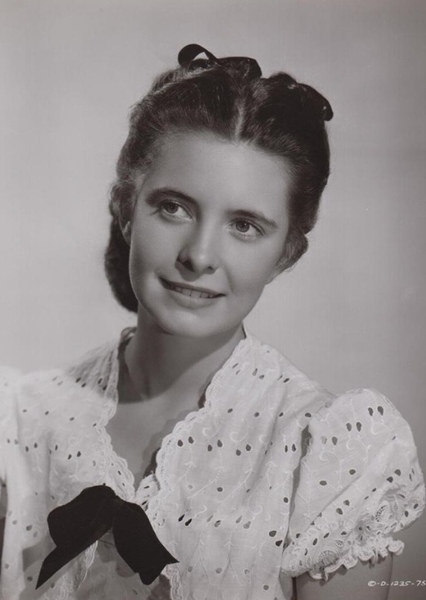
Jenny Pruitt
for Jenny Pruitt in Hope Floats (as a 1940's movie)
Suggested by jacobfisher

After finding out her husband is having an affair with her best friend, a woman and her daughter move back to the mother's hometown in Maine to start a new life. While there, the woman runs into her old high school crush. Soon, the two begin a romantic relationship with each other and discover that hope has a chance to float back up. Differences between the 1998 movie and 1940's version: Many of the characters names have been changed. Example: Birdie is named Betty in the 1940's version. Betty and her daughter are from New York and move back to Maine in the 1940's version, while in the '98 version, they're from Chicago and move back to Texas. In this version, Betty is a call-girl and discovers that her husband is having an affair with her best friend through a phone-call by overhearing their conversation, while in the '98, she discovers this when she appears on a talk show with her best friend.