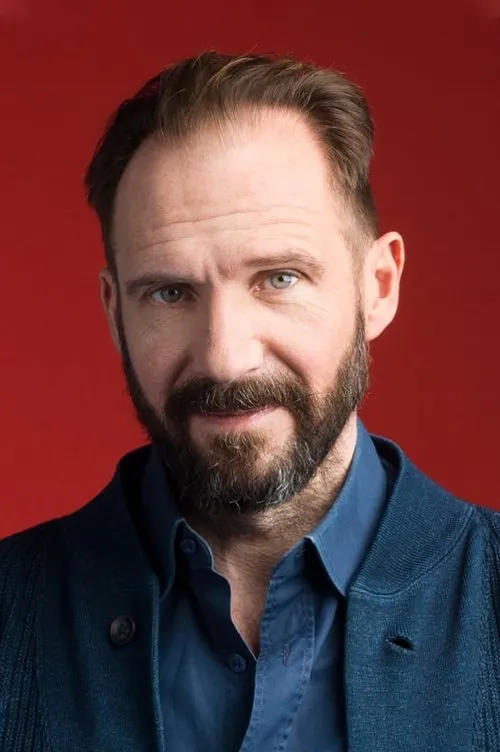
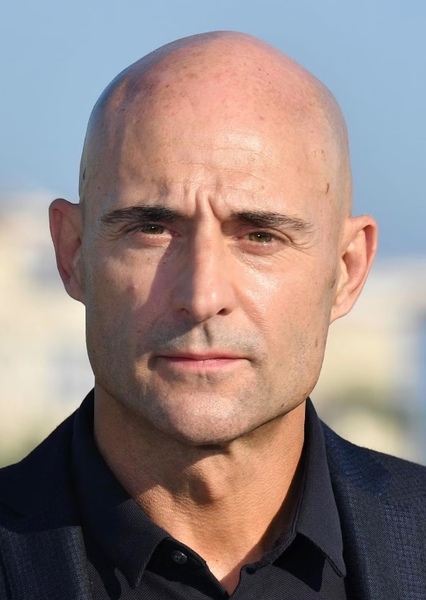
Age: 71
male
William James "Willem" Dafoe (born July 22, 1955) is an American actor. Known for his prolific career portraying diverse roles in both mainstream and arthouse films, he is the recipient of various accolades, including the Volpi Cup for Best Actor as well as nominations for four Academy Awards, a BAFTA Award, four Golden Globe Awards, four Critics' Choice Movie Awards, and five Screen Actors Guild Awards. He has frequently collaborated with filmmakers Paul Schrader, Abel Ferrara, Lars von Trier, Julian Schnabel, Wes Anderson, and Robert Eggers. Dafoe was a founding member of experimental theatre company The Wooster Group. He made his film debut with an uncredited role in Heaven's Gate (1980). Dafoe's early career includes credits for The Loveless (1982), Streets of Fire (1984), and To Live and Die in L.A. (1985). He earned his first Academy Award nomination for the war drama Platoon (1986), followed by nominations for his roles in Shadow of the Vampire (2000), The Florida Project (2017), and the Vincent van Gogh biopic At Eternity's Gate (2018). He also gained acclaim and wide recognition for his roles as Jesus Christ in The Last Temptation of Christ (1988) and as the supervillain Norman Osborn in the superhero film Spider-Man (2002), a role he reprised in its sequels Spider-Man 2 (2004) and Spider-Man 3 (2007), and the Marvel Cinematic Universe film Spider-Man: No Way Home (2021). His other film appearance include roles in Mississippi Burning (1988), Born on the Fourth of July (1989), Wild at Heart (1990), Light Sleeper (1992), Body of Evidence (1993), Clear and Present Danger (1994), The English Patient (1996), Affliction (1997), New Rose Hotel(1998), Existenz (1999), The Boondock Saints (1999), American Psycho (2000), Auto Focus (2002), Finding Nemo (2003), The Life Aquatic with Steve Zissou (2004), Inside Man (2006), Mr. Bean's Holiday (2007), Antichrist (2009), Fantastic Mr. Fox (2009), Nymphomaniac (2013), The Fault in Our Stars (2014), John Wick (2014), The Grand Budapest Hotel (2014), Aquaman (2018), The Lighthouse (2019), Nightmare Alley (2021), Poor Things (2023), and Beetlejuice Beetlejuice (2024).

In Ancient Greece, after imprisoning the Titans beneath the ocean, the rulers of the Greek gods, Zeus and his wife Hera, have a son named Hercules on Mount Olympus. While the other gods are joyful, Zeus' jealous brother Hades plots to overthrow Zeus and rule Olympus. Turning to the Fates for help, Hades learns that in eighteen years, a planetary alignment will allow him to locate and free the Titans to conquer Olympus, but only if Hercules does not interfere. Hades sends his minions Pain and Panic to dispose of Hercules. The two succeed at kidnapping the infant and feeding him a formula that turns him mortal, but fail to remove his superhuman strength before Hercules is found and adopted by the farmers Amphitryon and Alcmene. Years later, the teenage Hercules becomes an outcast due to his strength, and wonders where he came from. After his foster parents reveal the necklace they found him with, Hercules decides to visit the temple of Zeus for answers. The temple's statue of Zeus comes to life and reveals all to Hercules, telling him that he can regain his godhood by becoming a true hero. Zeus sends Hercules and his forgotten infant friend Pegasus to find the satyr Philoctetes—"Phil" for short—who is known for training heroes. They meet Phil, who has retired due to numerous disappointments, but Hercules inspires him to follow his dream to train a true hero that will be recognized by the gods. Phil trains Hercules into a potential hero, and then they headed towards Thebes. On the way, they meet Megara—"Meg" for short—a sarcastic damsel whom Hercules saves from the centaur Nessus. After Hercules and the others leave, Meg is revealed to be Hades' minion, who sold her soul to him to save an unfaithful lover. Arriving in Thebes, Hercules is turned down by the downtrodden citizens until Meg appears, saying that two boys have become trapped in a gorge. Hercules saves them, unaware that they are Pain and Panic in disguise, and unwittingly releases the Hydra. Hercules defeats it and becomes a celebrated hero, but despite Hercules' growing fame and defeating every subsequent monster Hades unleashes, Zeus tells him he is not yet a "true" hero. Saddened and frustrated, Hercules spends a day out with Meg, who falls in love with him. Hades learns of this and on the eve of his takeover, he holds Meg hostage and offers her in exchange for Hercules surrendering his powers for a day. On the condition that Meg will be unharmed, he accepts, and is heartbroken when Hades reveals that Meg was working for him. Hades unleashes the Titans, who climb Olympus and capture the gods, while a Cyclops goes to Thebes to kill Hercules. Hercules defeats the cyclops; Meg then saves him from a falling pillar and is mortally injured. This breaks Hades' promise that Meg would not be harmed, and allows Hercules to regain his strength. Hercules and Pegasus fly to Olympus where they free the gods and vanquish the Titans, but Meg dies before he returns to her. With Meg's soul now Hades' property, Hercules breaks into the Underworld and offers to free Meg from the Styx in exchange for his own life. His willingness to sacrifice himself restores his godhood and immortality before the life-draining river can kill him; he rescues Meg and punches Hades into the Styx, where irate souls pull him under. After reviving Meg, she and Hercules are summoned to Olympus, where Zeus and Hera welcome their son home. However, Hercules chooses to remain on Earth with Meg in lieu of living on Olympus. Hercules and his friends return to Thebes, where they watch Zeus etch Hercules' image into the stars to commemorate his heroism.