
Age: 44
female
Kirsten Caroline Dunst (/ˈkɪərstən/ KEER-stən; born April 30, 1982) is an American actress. She made her acting debut in the anthology film New York Stories (1989) and has since starred in several films and television productions. She has received several awards, including nominations for an Academy Award, a Primetime Emmy Award, and four Golden Globe Awards. Dunst first gained recognition for her role as child vampire Claudia in the horror film Interview with the Vampire (1994), which earned her a Golden Globe nomination for Best Supporting Actress. She also had roles in her youth in Little Women (1994) and Jumanji (1995). Dunst transitioned to leading roles in teen films of 1999, the satires Dick and Drop Dead Gorgeous and Sofia Coppola's drama The Virgin Suicides. After the leading role in the cheerleading film Bring It On (2000), she gained wider attention for her role as Mary Jane Watson in Sam Raimi's Spider-Man trilogy (2002–2007). Her career progressed with a supporting role in Eternal Sunshine of the Spotless Mind (2004), followed by a lead role in Cameron Crowe's tragicomedy Elizabethtown (2005), and as Marie Antoinette in Coppola's Marie Antoinette (2006). In 2011, Dunst starred as a depressed newlywed in Lars von Trier's drama Melancholia, which earned her the Cannes Film Festival Award for Best Actress. In 2015, she played Peggy Blumquist in the second season of the FX series Fargo, earning a Primetime Emmy Award nomination for the role. Dunst had a supporting role in the film Hidden Figures (2016), and leading roles in Coppola's The Beguiled (2017) and in the dark comedy series On Becoming a God in Central Florida (2019), for which she received a third Golden Globe nomination. Dunst earned her fourth nomination for a Golden Globe and first nomination for an Academy Award for her performance in the psychological drama The Power of the Dog (2021). In 2024, she led the dystopian thriller film Civil War. Description above from the Wikipedia article Kirsten Dunst, licensed under CC-BY-SA, full list of contributors on Wikipedia.
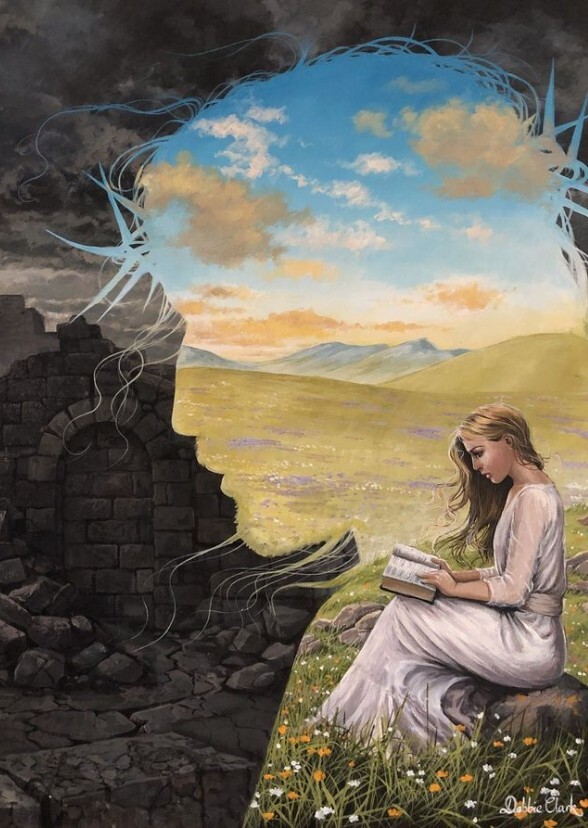
Why should someone who has suffered enough while alive suffer even more after death? Do such souls actually face eternal damnation? This story shows a completely different perspective. Each of the souls who ended up in this mysterious place carries a different or similar story that prompted them to take such a serious step, from deep trauma, loss of someone important and close, mental or fatal illness, remorse, persecution or simply losing everything and being left with nothing. Although they have committed a sin by taking their own lives, God does not want to immediately condemn them, condemn them to torment in Hell, instead showing understanding and compassion towards them. Although they can't enter Heaven, God sends them to another place where they won't experience any physical suffering, instead they will reflect long on themselves, their lives, their relationships during their lifetime. They also do not experience loneliness, God allows them to share their thoughts, reflections with each other, to see their deceased loved ones from time to time. Above all, they will be aware that God is taking care of them to some degree.


