Died at 168
male
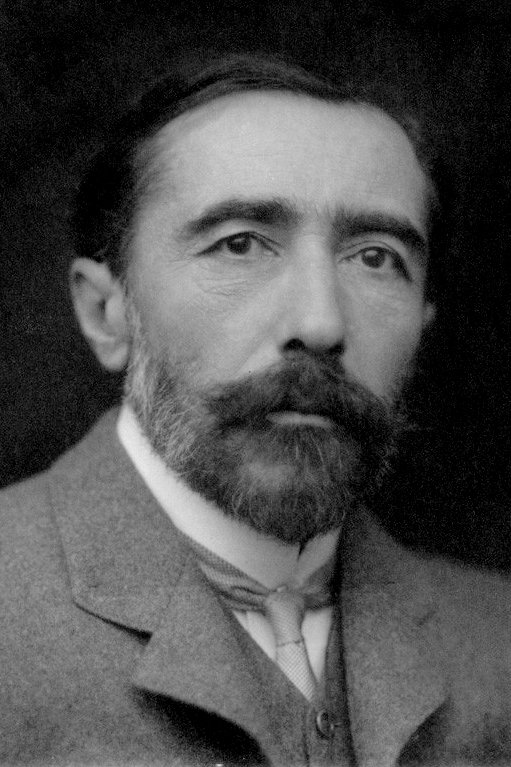
Joseph Conrad (born Józef Teodor Konrad Korzeniowski) was a Polish-born English novelist. Conrad is regarded as one of the greatest novelists in English, though he did not speak the language fluently until he was in his twenties (and then always with a marked Polish accent). He wrote stories and novels, predominantly with a nautical or seaboard setting, that depict trials of the human spirit by the demands of duty and honour. Conrad was a master prose stylist who brought a distinctly non-English tragic sensibility into English literature. While some of his works have a strain of romanticism, he is viewed as a precursor of modernist literature. Writing in the heyday of the British Empire, Conrad drew upon his experiences in the French and later the British Merchant Navy to create short stories and novels that reflect aspects of a worldwide empire while also plumbing the depths of the human soul. His narrative style and anti-heroic characters have influenced many authors. Films have been adapted from or inspired by Conrad's Victory, Lord Jim, The Secret Agent, An Outcast of the Islands, The Rover, The Shadow Line, The Duel, Heart of Darkness, Nostromo, Almayer's Folly.

Heart of Darkness is an 1899 novella by Polish-British novelist Joseph Conrad in which the sailor Charles Marlow tells his listeners the story of his assignment as steamer captain for a Belgian company in the African interior. The novel is widely regarded as a critique of European colonial rule in Africa, whilst also examining the themes of power dynamics and morality. Although Conrad does not name the river on which most of the narrative takes place, at the time of writing, the Congo Free State—the location of the large and economically important Congo River—was a private colony of Belgium's King Leopold II. Marlow is given an assignment to find Kurtz, an ivory trader working on a trading station far up the river, who has "gone native" and is the object of Marlow's expedition.


