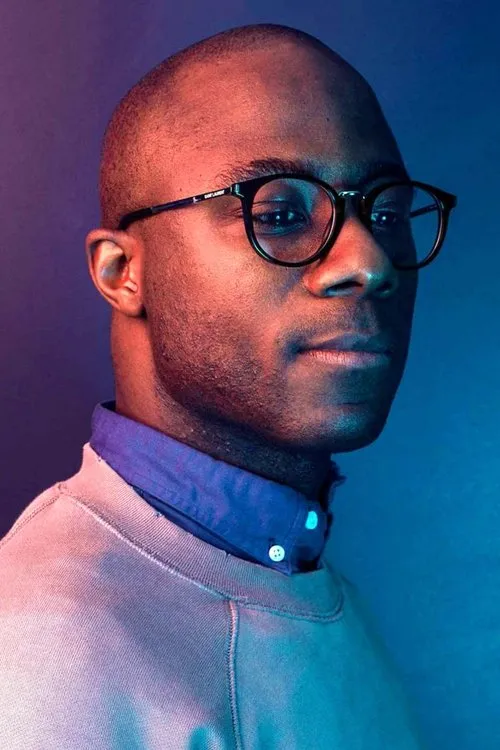
Age: 46
male
Barry Jenkins (born November 19, 1979) is an American filmmaker. After making his filmmaking debut with the short film My Josephine (2003), he directed his first feature film, Medicine for Melancholy (2008), for which he received an Independent Spirit Award nomination for Best First Feature. He is also a creative collaborator and a member of The Chopstars collective. Following an eight-year hiatus from feature filmmaking, Jenkins directed and co-wrote the LGBTQ-themed independent drama Moonlight (2016), which won numerous accolades, including the Academy Award for Best Picture. Jenkins received an Oscar nomination for Best Director and jointly won the Academy Award for Best Adapted Screenplay with Tarell Alvin McCraney. He became the fourth Black person nominated for Best Director and the second to direct a Best Picture winner. He released his third directorial feature If Beale Street Could Talk 2018, to critical praise and earned nominations for his screenplay at the Academy Awards and Golden Globes. He is also known for his work in television. In 2017, Jenkins directed "Chapter V" of the Netflix series Dear White People. In 2021, he created and directed the Amazon Video limited series The Underground Railroad, based on the novel of the same name. The series received a Primetime Emmy Award for Outstanding Directing for a Limited Series or Movie nomination and won a Peabody Award. In 2017, Jenkins was included on the annual Time 100 list of the most influential people in the world. Description above from the Wikipedia article Barry Jenkins, licensed under CC-BY-SA, full list of contributors on Wikipedia.
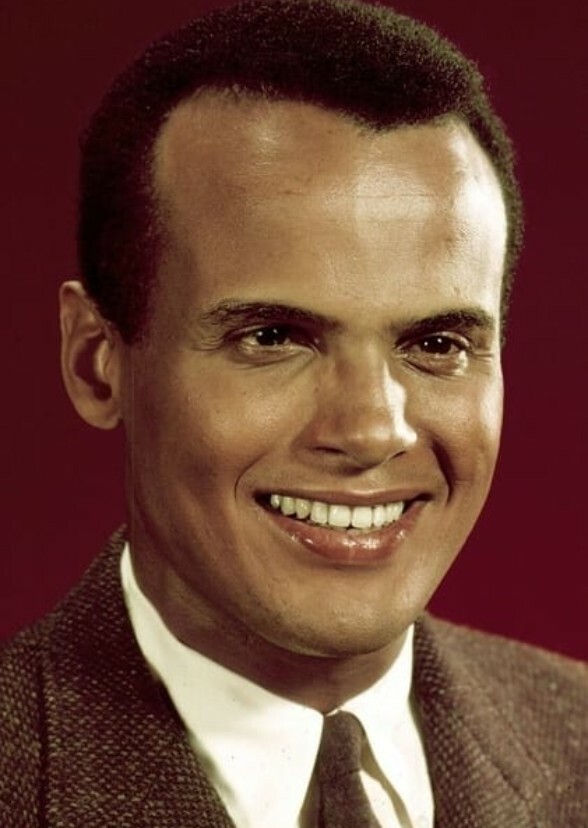
"Harmony in Struggle" is a compelling biopic that delves into the extraordinary life of the legendary Harry Belafonte. From his humble beginnings in Harlem to becoming a global icon, the film explores Belafonte's unwavering commitment to social justice, civil rights, and the transformative power of music. As a singer, actor, and activist, Belafonte's journey is a tapestry of resilience and courage. The film captures the vibrant energy of the 1950s and '60s, portraying Belafonte's pivotal role in breaking racial barriers in the entertainment industry and his deep involvement in the Civil Rights Movement. Through powerful performances of his timeless hits like "Banana Boat Song" and "Day-O," viewers will witness the emotional highs and lows of Belafonte's career. The film will also highlight his collaborations with other influential figures of the time, including Martin Luther King Jr. and Sidney Poitier. "Harmony in Struggle" doesn't shy away from the personal struggles Belafonte faced, from navigating racial prejudice in the entertainment industry to the strain on his family life. The biopic paints a comprehensive portrait of a man whose commitment to justice and equality extended beyond the stage. Ultimately, "Harmony in Struggle" celebrates the indomitable spirit of Harry Belafonte, showcasing how one man's artistry and activism shaped a generation and paved the way for future artists to use their platforms for social change.


