Age: 86
male
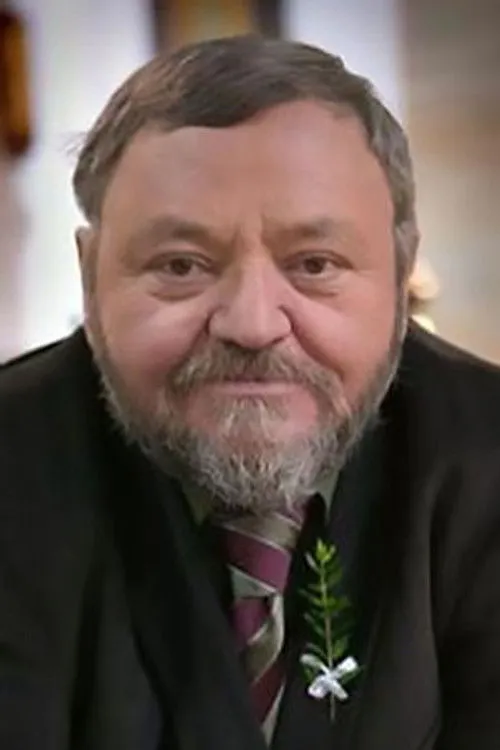
F. Murray Abraham (born Murray Abraham; October 24, 1939) is an American actor. Known for his roles on stage and screen, he has received an Academy Award and a Golden Globe Award as well as nominations for a BAFTA Award, four Emmy Awards, and a Grammy Award. He became famous for portraying Antonio Salieri in the drama film Amadeus (1984), for which he won an Academy Award for Best Actor. Abraham debuted on Broadway in the 1968 play The Man in the Glass Booth. He received the Obie Award for Outstanding Performance for his roles in Anton Chekhov's Uncle Vanya (1984) and William Shakespeare's The Merchant of Venice (2011). He returned to Broadway in the revival of Terrence McNally's comedy It's Only a Play (2014), receiving a Drama Desk Award for Outstanding Featured Actor in a Play nomination. He has appeared in many roles, both leading and supporting, in films such as All the President's Men (1976), Scarface (1983), The Name of the Rose (1986), Last Action Hero (1993), Mighty Aphrodite (1995), Dillinger and Capone (1995), Star Trek: Insurrection (1998), Finding Forrester (2000), Inside Llewyn Davis (2013), The Grand Budapest Hotel (2014), Isle of Dogs (2018) and How to Train Your Dragon: The Hidden World (2019). He was a regular cast member on the Showtime drama series Homeland (2012–2018), which earned him two nominations for the Primetime Emmy Award for Outstanding Guest Actor in a Drama Series. He also acted in Louie (2011–2014), Mythic Quest (2020–2021), Moon Knight (2022) and The White Lotus (2022), with the latter earning him nominations for the Golden Globe Award and the Primetime Emmy Award. Description above from the Wikipedia article F. Murray Abraham, licensed under CC-BY-SA, full list of contributors on Wikipedia.
F. Murray Abraham

František Dvořák
for František Dvořák in Harmonies of the Heart
Suggested by jakubduda
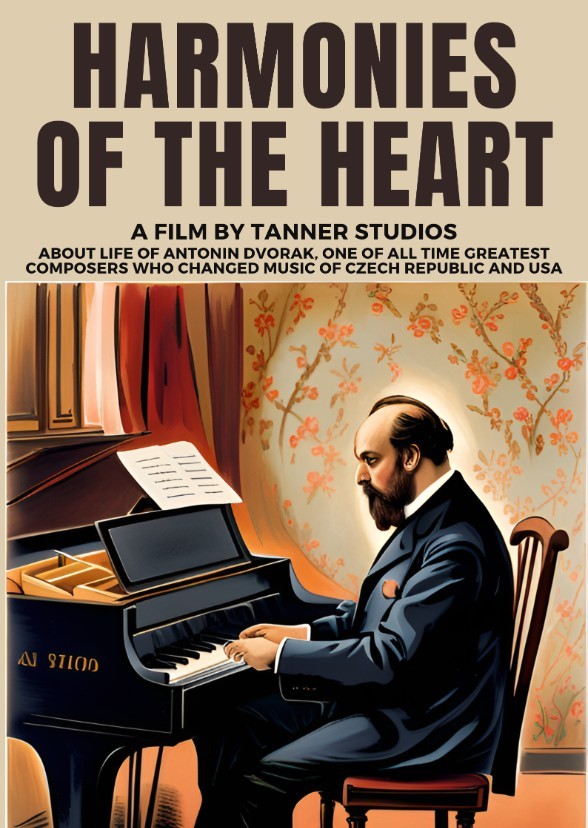
Harmonies of the Heart is an enchanting biographical drama that delves into the life of Antonin Dvorak, a gifted Czech composer who rose from humble beginnings to become one of the most celebrated musical figures of his time. The film follows Dvorak's journey as he finds inspiration in the Czech countryside, his encounters with influential musicians, and his profound impact on the world of classical music. After being invited to teach in the United States, Dvorak's time in America becomes a transformative chapter in his life, where he discovers new rhythms, melodies, and cultures, creating his iconic "New World" Symphony and also Cello Concerto. He became the director of the National Conservatory of Music of America in New York City. In the summer of 1893, Dvořák moved from New York City to Spillville, Iowa, following the advice of his secretary, J.J. Kovarík. He supported the concept that African-American and Native American music should be used as a foundation for the growth of American music. He felt that through the music of Native Americans and African-Americans, Americans would find their own national style of music. This movie showcases the unyielding passion and creativity of a man whose melodies still echo in the hearts of music lovers worldwide. During the last years of his life the Czech composer Antonín Dvořák (1841-1904) was considered by many throughout the Western world to be the greatest of all living composers.