Died at 122
male
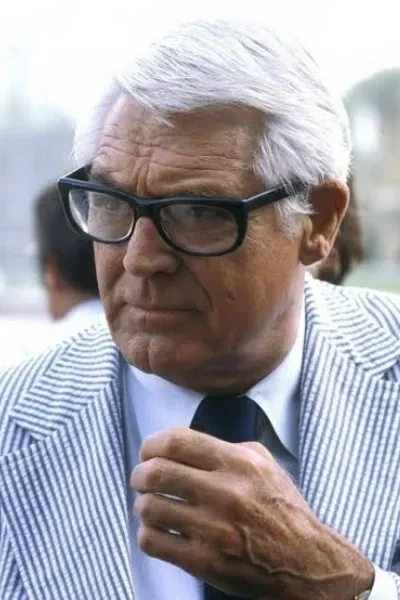
Cary Grant (born Archibald Alec Leach; January 18, 1904 – November 29, 1986) was a British-American actor, celebrated for his debonair charm, impeccable comic timing, and sophisticated screen presence. He became one of Hollywood’s most iconic leading men, starring in classics such as Bringing Up Baby (1938), His Girl Friday (1940), Notorious (1946), and North by Northwest (1959). Grant had a difficult childhood, marked by his mother’s institutionalization and his father’s alcoholism. At 16, he joined the Pender Troupe, a group of acrobats, which led him to New York City, where he built a career in vaudeville before transitioning to Hollywood in the early 1930s. His breakthrough came with screwball comedies, where his witty delivery and effortless charisma made him a favorite among audiences. He worked with legendary directors such as Howard Hawks, Alfred Hitchcock, and George Cukor, solidifying his reputation as a versatile and enduring star. Grant was married five times, but his longtime companionship with fellow actor Randolph Scott fueled speculation about his sexuality. The two lived together for over a decade, sharing a home in Los Angeles, which led to rumors that they were romantically involved. While Grant never publicly addressed these claims, some biographers suggest that his relationship with Scott was more than just friendship. Despite the speculation, Grant maintained a carefully curated public image, often portraying the ideal romantic lead opposite Hollywood’s most glamorous actresses, including Katharine Hepburn, Ingrid Bergman, and Grace Kelly. Grant retired from acting in 1966, choosing to focus on business ventures and his family. He received an Academy Honorary Award in 1970 and was honored with the Kennedy Center Award in 1981. He passed away on November 29, 1986, at the age of 82. His legacy remains unmatched, with the American Film Institute ranking him as the second greatest male star of Hollywood’s Golden Age. His timeless appeal, effortless sophistication, and enigmatic personal life continue to fascinate audiences and film historians alike.
Cary Grant

Ego
for Ego in Guardians of the Galaxy Vol. 2 {1977}
Suggested by lukejamesbennett
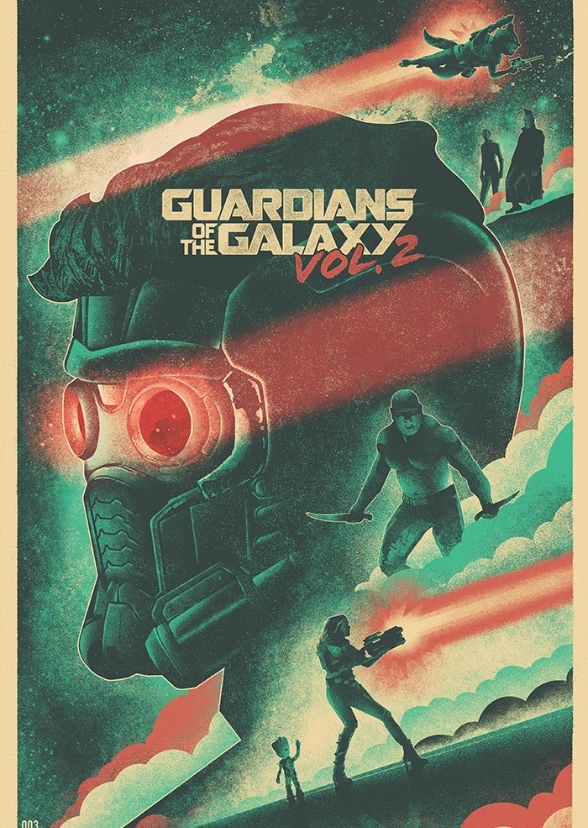
After saving Xandar from Ronan the Accuser, the Guardians of the Galaxy have been widely recognized as heroes and they have been on a series of heroic missions to protect the galaxy from dangerous threats. Peter's leadership is soon put to the test, when he learns his biological father is Ego and he starts to develop romantic feelings for Gamora. Determined to learn more about his past, Peter decides to go with Gamora and Drax to visit Ego on his planet. Rocket and Groot stay behind to guard Nebula, so he can repair the damage on the ship after crash landing on a planet to avoid Ayesha and her army. During Peter's visit on his father's planet, he begins to learn that not everything is what it seems and some horrifying truths soon come to light for Peter and his friends. The heroes will start to face an even more dangerous threat than they are expecting.