
Scarface (also known as Scarface: The Shame of the Nation and The Shame of a Nation) is a 1932 American pre-Code gangster film directed by Howard Hawks and produced by Hawks and Howard Hughes. The screenplay, by Ben Hecht, is based loosely on the novel first published in 1930 by Armitage Trail, which was inspired by Al Capone. The film stars Paul Muni as Italian immigrant gangster Antonio "Tony" Camonte who violently rises through the Chicago gangland, with a supporting cast that includes George Raft and Boris Karloff. Camonte's rise to power dovetails with his relentless pursuit of his boss's mistress while his sister pursues his best hitman. In an overt tie to the life of Capone, a version of the Saint Valentine's Day Massacre is depicted. After purchasing the rights to Trail's novel, Hughes quickly selected Hawks to direct and Hecht to write the film's screenplay. Beginning in January 1931, Hecht wrote the script in 11 days. Scarface was produced before the introduction of the Production Code in 1934, which enforced regulations on film content. However, the Hays Code, a more lenient precursor, called for significant alterations, including a prologue condemning gangsters, an alternate ending to more clearly reprehend Camonte, and the alternative title The Shame of a Nation. The censors believed the film glorified violence and crime. These changes delayed the film a year, though some showings retained the original ending. Modern showings of the film have the original ending, though some DVD releases also include the alternate ending as a feature; these versions maintain the changes Hughes and Hawks were required to make for approval by the Hays Office. The film is currently rated PG by the Motion Picture Association (MPA).[3] No completely unaltered version was known to exist until the limited-edition set of Scarface (1983) was released on October 15, 2019. Audience reception was positive, but censors banned the film in several cities and states, forcing Hughes to remove it from circulation and store it in his vault. The rights to the film were recovered after Hughes died in the 1970s. Alongside Little Caesar and The Public Enemy (both 1931), Scarface is regarded as one of the most significant and influential gangster films. Scarface was added to the National Film Registry in 1994 by the Library of Congress. In 2008, the American Film Institute listed Scarface as the sixth-best gangster film. It was remade as the 1983 film of the same title starring Al Pacino.
Scarface (1932 film)

Influences:
for Influences: in Grand Theft Auto V (1950s)
Suggested by ziyahuseynov2
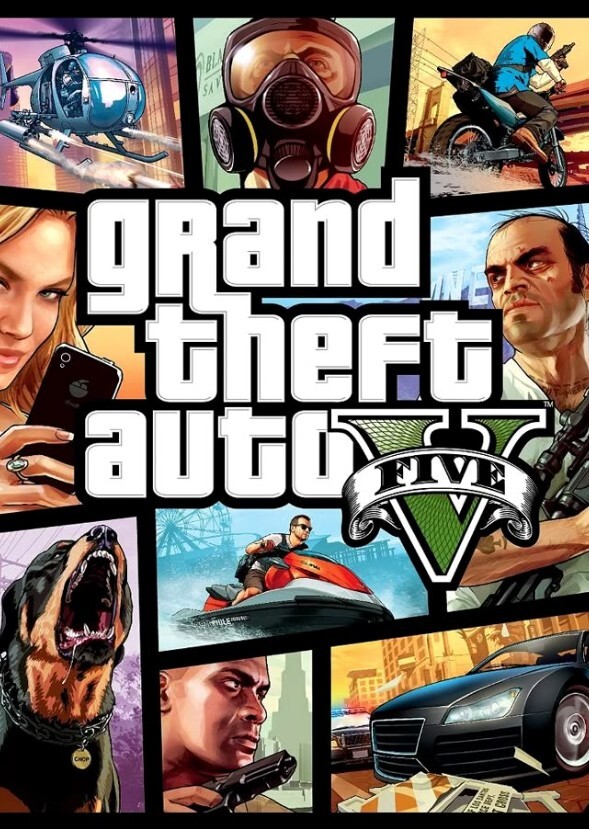
Set in a dark, stylized version of late-1950s America, Grand Theft Auto V (1955) reimagines Rockstar’s crime epic as a gritty film noir drama. The story follows three criminals whose lives collide in a world of corruption, violence, and ambition. Michael De Santa, a retired bank robber living a hollow suburban life, is pulled back into crime when his past refuses to stay buried. His former partner, the unpredictable and violent Trevor Philips, lives on the edge of society, leaving chaos wherever he goes. Meanwhile, Franklin Clinton, a young and intelligent hustler, searches for a way out of street crime and into something bigger. As betrayals mount and powerful figures manipulate events from the shadows, the trio are forced into increasingly dangerous jobs, blurring the line between loyalty and survival. Told with a bleak 1950s noir tone, this version explores guilt, greed, and the cost of the American Dream.




