Age: 18
female
Ever Gabo Anderson, born on November 3, 2007, in Toronto, Canada, is a Canadian-American actress and model. She is the daughter of American actress Milla Jovovich and British director Paul W. S. Anderson, and has two younger sisters, Dashiel and Osian. Her ancestry includes Russian and Serbian roots from her mother's side and English heritage from her father's lineage. Despite initial attempts by her parents to dissuade her from pursuing acting, Ever remained steadfast in her pursuit. Fluent in English and Russian, she is also proficient in French, residing in Hollywood Hills, Los Angeles, California, where she practices taekwondo. At the age of nine, Ever graced the cover of Vogue Bambini, photographed by Ellen von Unwerth, and captured the attention of renowned photographers like Karl Lagerfeld, Mikael Jansson, and Peter Lindbergh. Her debut in a feature film occurred in "Resident Evil: The Final Chapter" (2016), directed by her father. In this film, she portrayed a younger version of Alicia Marcus, a character her mother portrayed as an adult. Ever gained recognition for her portrayal of the young Natasha Romanoff in the film "Black Widow". Additionally, she played the role of Wendy Darling in the film "Peter Pan & Wendy", marking significant milestones in her burgeoning career as an actress.
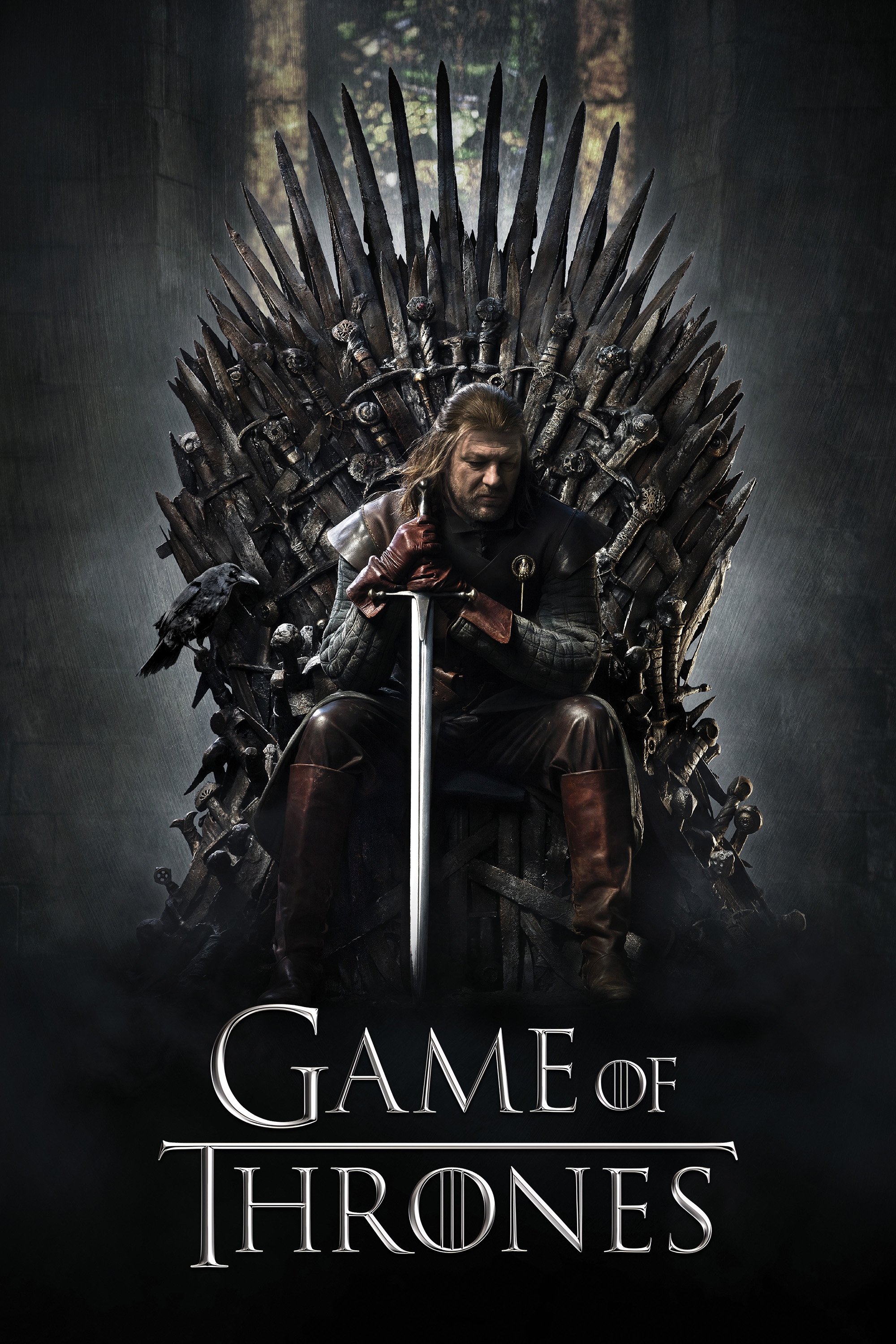
Game of Thrones follows the power struggle for the Iron Throne of Westeros as multiple noble families vie for control across eight seasons. In a medieval fantasy world threatened by an ancient supernatural evil awakening beyond the Wall, ambitious lords and ladies navigate treachery, war, and political intrigue. Jon Snow, Daenerys Targaryen, and the Stark family emerge as central figures in an epic saga where no character is safe from death. The series weaves together dozens of interconnected storylines across continents, exploring themes of honor, ambition, survival, and the corrupting nature of power. Dragons return to the world, magic resurfaces, and the line between hero and villain blurs as characters make impossible choices. With shocking character deaths, complex moral ambiguity, and stunning production values, Game of Thrones became a cultural phenomenon that redefined television storytelling, though its final season proved divisive among fans.