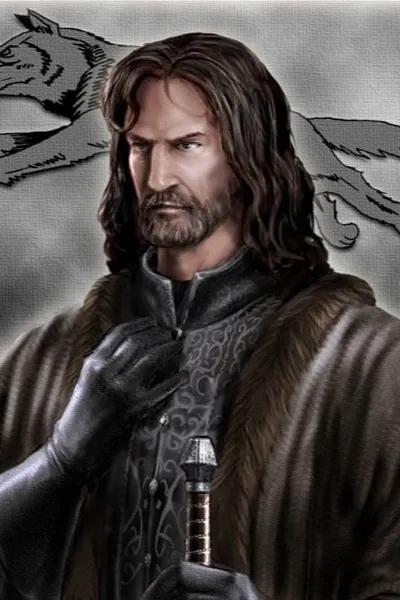
Age: 36
male
Aaron Perry Taylor-Johnson (né Johnson; born 13 June 1990) is a British actor. His accolades include a Golden Globe Award, in addition to nominations for two British Academy Film Awards and a British Independent Film Award. As a child actor, Taylor-Johnson performed in films including Shanghai Knights (2003), The Illusionist (2006), and Angus, Thongs and Perfect Snogging (2008). He had his breakthrough performance as John Lennon in the biopic Nowhere Boy (2009), directed by Sam Taylor-Wood, whom he married in 2012, adding her surname. He gained recognition for his portrayal of the title character in Kick-Ass (2010) and its sequel, Kick-Ass 2 (2013), as well as for performances in the crime thriller Savages (2012), the period drama Anna Karenina (2012), and the monster film Godzilla (2014). Taylor-Johnson next portrayed the Marvel Cinematic Universe character Pietro Maximoff in Avengers: Age of Ultron (2015). For playing a psychopathic drifter in the thriller film Nocturnal Animals (2016), he won the Golden Globe Award for Best Supporting Actor. He has since appeared in the action films Tenet (2020), Bullet Train (2022) and The Fall Guy (2024), as well as starring roles in the horror films Nosferatu (2024) and 28 Years Later (2025). Description above from the Wikipedia article Aaron Taylor-Johnson, licensed under CC-BY-SA, full list of contributors on Wikipedia.
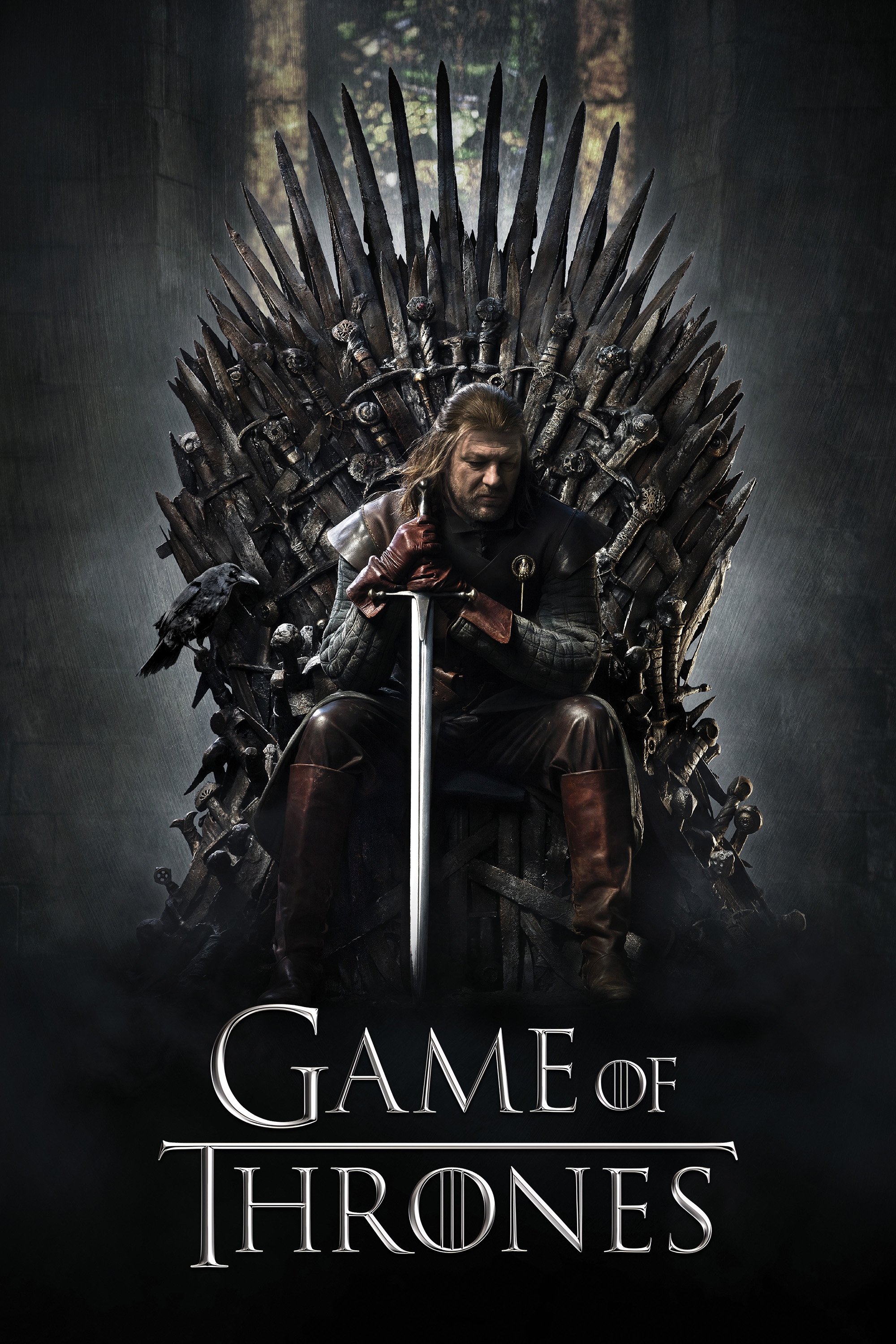
Game of Thrones follows the power struggle for the Iron Throne of Westeros as multiple noble families vie for control across eight seasons. In a medieval fantasy world threatened by an ancient supernatural evil awakening beyond the Wall, ambitious lords and ladies navigate treachery, war, and political intrigue. Jon Snow, Daenerys Targaryen, and the Stark family emerge as central figures in an epic saga where no character is safe from death. The series weaves together dozens of interconnected storylines across continents, exploring themes of honor, ambition, survival, and the corrupting nature of power. Dragons return to the world, magic resurfaces, and the line between hero and villain blurs as characters make impossible choices. With shocking character deaths, complex moral ambiguity, and stunning production values, Game of Thrones became a cultural phenomenon that redefined television storytelling, though its final season proved divisive among fans.