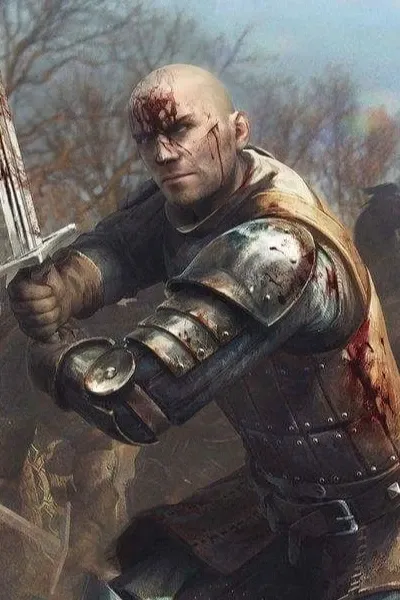
Age: 51
male
David Kenneth Harbour (born April 10, 1975) is an American actor. He has received nominations for a Tony Award, a Golden Globe Award, and two Primetime Emmy Awards. David began his career acting in Shakespearean theatre productions. After his professional debut on Broadway in the 1999 revival of The Rainmaker, he was nominated for a Tony Award for his performance in a production of Who's Afraid of Virginia Woolf?. He made his television debut on Law & Order in 1999 and had supporting roles in films such as Brokeback Mountain (2005), Revolutionary Road (2008) and Black Mass (2015). Harbour gained global recognition for his portrayal of Jim Hopper in the Netflix science fiction series Stranger Things (2016–2025), for which he received a Critics' Choice Television Award as well as nominations for two Primetime Emmy Awards. His starring film roles include the title character in Hellboy (2019), Santa Claus in Violent Night (2022) and a former racer in the sports film Gran Turismo (2023). Harbour has played Red Guardian in the Marvel Cinematic Universe media franchise, beginning with the film Black Widow (2021). Description above from the Wikipedia article David Harbour, licensed under CC-BY-SA, full list of contributors on Wikipedia.
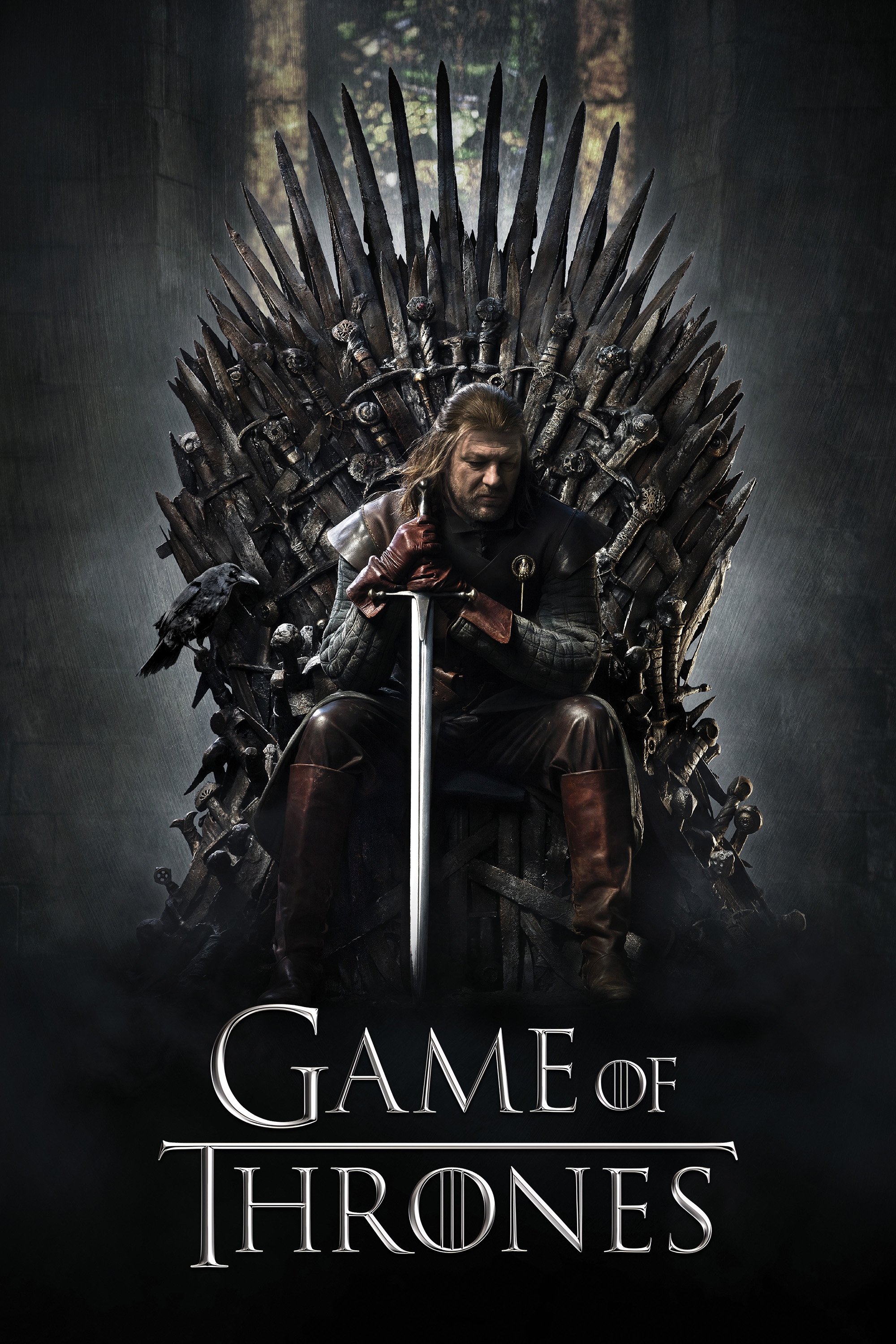
Game of Thrones follows the power struggle for the Iron Throne of Westeros as multiple noble families vie for control across eight seasons. In a medieval fantasy world threatened by an ancient supernatural evil awakening beyond the Wall, ambitious lords and ladies navigate treachery, war, and political intrigue. Jon Snow, Daenerys Targaryen, and the Stark family emerge as central figures in an epic saga where no character is safe from death. The series weaves together dozens of interconnected storylines across continents, exploring themes of honor, ambition, survival, and the corrupting nature of power. Dragons return to the world, magic resurfaces, and the line between hero and villain blurs as characters make impossible choices. With shocking character deaths, complex moral ambiguity, and stunning production values, Game of Thrones became a cultural phenomenon that redefined television storytelling, though its final season proved divisive among fans.