
Ankylosaurus[nb 1] is a genus of armored dinosaur. Its fossils have been found in geological formations dating to the very end of the Cretaceous Period, about 68–66 million years ago, in western North America, making it among the last of the non-avian dinosaurs. It was named by Barnum Brown in 1908; the only species in the genus is A. magniventris. The genus name means "fused lizard", and the specific name means "great belly". A handful of specimens have been excavated to date, but a complete skeleton has not been discovered. Though other members of Ankylosauria are represented by more extensive fossil material, Ankylosaurus is often considered the archetypal member of its group, despite having some unusual features. Possibly the largest-known ankylosaurid, Ankylosaurus is estimated to have been between 6 and 8 meters (20 and 26 ft) long and to have weighed between 4.8 and 8 metric tons (5.3 and 8.8 short tons). It was quadrupedal, with a broad, robust body. It had a wide, low skull, with two horns pointing backward from the back of the head, and two horns below these that pointed backward and down. Unlike other ankylosaurs, its nostrils faced sideways rather than towards the front. The front part of the jaws was covered in a beak, with rows of small, leaf-shaped teeth farther behind it. It was covered in armor plates, or osteoderms, with bony half-rings covering the neck, and had a large club on the end of its tail. Bones in the skull and other parts of the body were fused, increasing their strength, and this feature is the source of the genus name. Ankylosaurus is a member of the family Ankylosauridae, and its closest relatives appear to be Anodontosaurus and Euoplocephalus. Ankylosaurus is thought to have been a slow-moving animal, able to make quick movements when necessary. Its broad muzzle indicates it was a non-selective browser. Sinuses and nasal chambers in the snout may have been for heat and water balance or may have played a role in vocalization. The tail club is thought to have been used in defense against predators or in intraspecific combat. Ankylosaurus has been found in the Hell Creek, Lance, Scollard, Frenchman, and Ferris formations, but appears to have been rare in its environment. Although it lived alongside a nodosaurid ankylosaur, their ranges and ecological niches do not appear to have overlapped, and Ankylosaurus may have inhabited upland areas. Ankylosaurus also lived alongside dinosaurs such as Tyrannosaurus, Triceratops, and Edmontosaurus.
Ankylosaurus

Prehistoric Creatures
for Prehistoric Creatures in Goner
Suggested by alecgroskreutz1
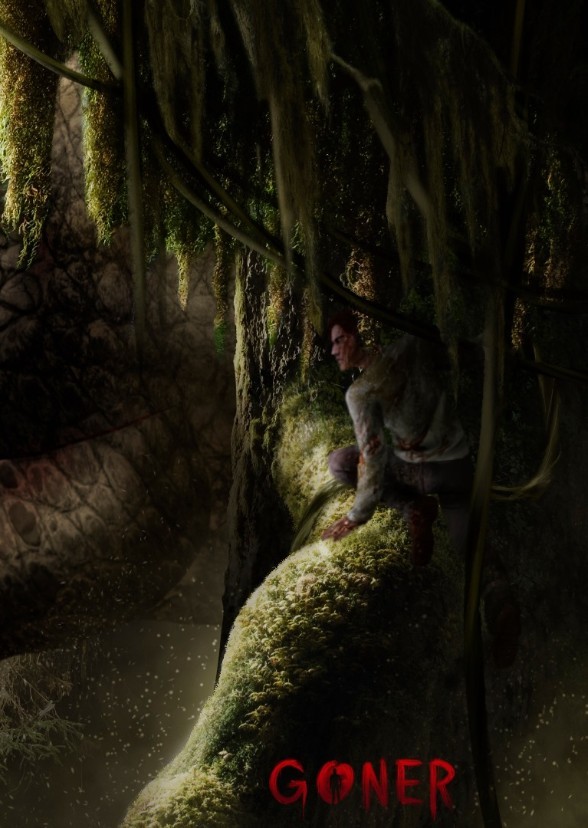
Goner is an epic horror adventure starring Anthony Sunder, a son looking for his missing mother and her expedition crew. His search will lead him to the location of a ghost island inhabited by hostile members of a lost civilization and feral fauna you thought extinct. Goner is a new take on the survival genre featuring breathtaking 3D visuals, advanced AI driven by complex behaviours and interactions that will test your skills and determination to stay alive. Face these massive creatures and try not to get caught. This time you are not a heavy armed hero, just a regular dude. Of course, you will be able to defend yourself with anything you can craft with your own two hands... There is where the true horror resides. They can see, hear, and...smell you. Often, running and hiding would be your best choice. Across the island, you will find safe spots (Such as shallow caves, structures, or even high tree branches). Use them to your advantage, fill your backpack and prepare yourself for the unexpected. Self-management is crucial, think about what you are going to need to survive till the next location and get to live another day.




