
Age: 55
male
Ethan Green Hawke (born November 6, 1970) is an American actor, writer and director. He made his feature film debut in 1985 with the science fiction movie Explorers, before making a supporting appearance in the 1989 drama Dead Poets Society which is considered his breakthrough role. He then appeared in such films as White Fang (1991), A Midnight Clear (1992), and Alive (1993) before taking a role in the 1994 Generation X drama Reality Bites, for which he gained critical acclaim. In 1995, he starred in the romantic drama Before Sunrise, and later in its sequel Before Sunset (2004). In 2001, Hawke was cast as a rookie police officer in Training Day, for which he received a Screen Actors Guild and Academy Award nomination in the Best Supporting Actor category. Other films have included the science fiction feature Gattaca (1997), the title role in Michael Almereyda's Hamlet (2000), the action thriller Assault on Precinct 13 (2005), and the crime drama Before the Devil Knows You're Dead (2007). Hawke has appeared in many theater productions including The Seagull, Henry IV, Hurlyburly, The Cherry Orchard, The Winter's Tale and The Coast of Utopia, for which he earned a Tony Award nomination. He made his directorial debut with the 2002 independent feature Chelsea Walls. In November 2007 Hawke directed his first play, Jonathan Marc Sherman's Things We Want. Aside from acting, he has written two novels, The Hottest State (1996) and Ash Wednesday (2002). Between 1998 and 2004, Hawke was married to actress Uma Thurman.
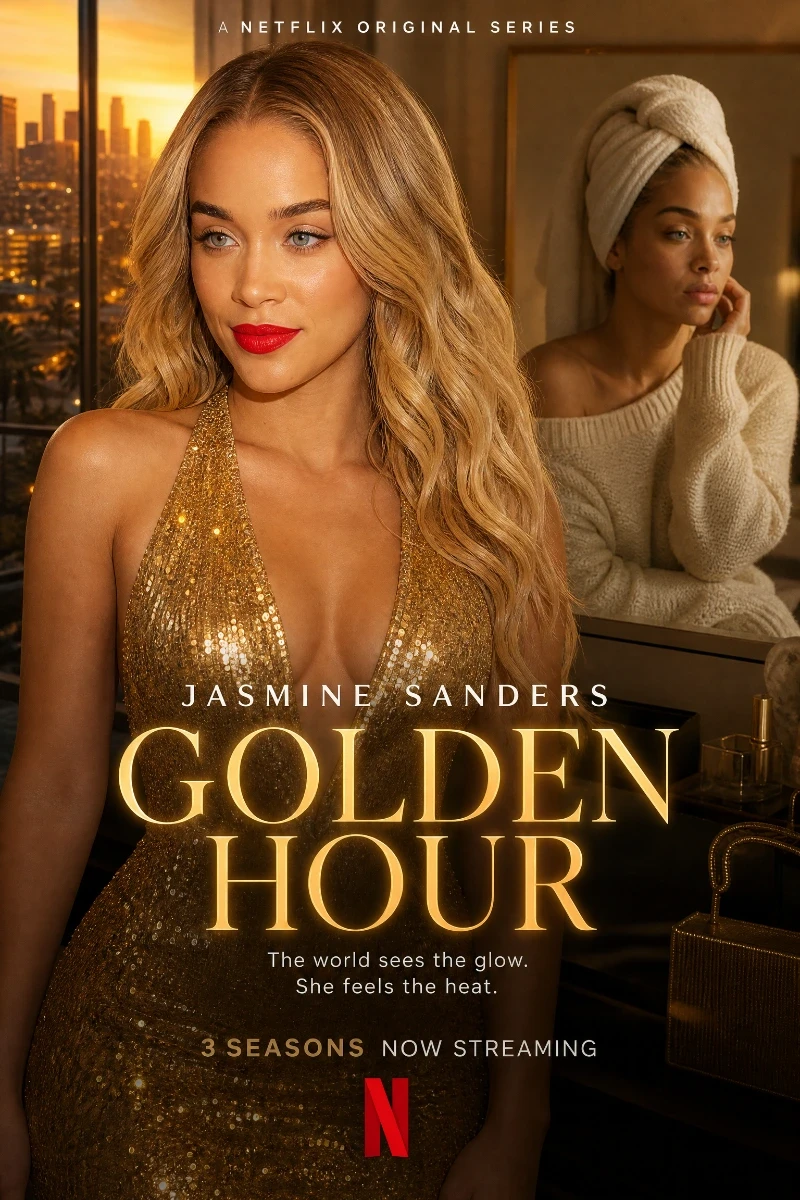
She built an empire out of her image. Now someone is trying to take it apart piece by piece. Celeste Voss is 30 and at the absolute peak of her career — the most sought-after face in global fashion, the founder of a beauty brand worth half a billion dollars, and the subject of a cultural conversation about beauty, Blackness, and what it means to be aspirational in an industry that has historically excluded her. She is also, as the first episode reveals within minutes, under systematic attack. Someone is leaking private images, forging emails, planting stories — dismantling the brand she built from nothing with precision and patience. Season one follows Celeste's attempt to identify who is behind the campaign while maintaining her public invulnerability. Season two expands the scope — the attack is connected to a deeper conspiracy within the fashion industry about who controls the narrative of beauty. Season three is the most personal: having discovered who was behind it, Celeste must decide whether to pursue public accountability or private revenge, and what either choice says about the woman she actually is. Season 1 — The Attack The campaign against Celeste's brand begins. She maintains public composure while privately hunting the source. Season 2 — The Industry The attack connects to a larger conspiracy about who controls beauty's narrative. Celeste's investigation threatens figures far more powerful than she expected. Season 3 — The Choice Celeste discovers the truth. Public accountability vs. private revenge. The finale is her decision — made on her own terms, finally, for the first time.


