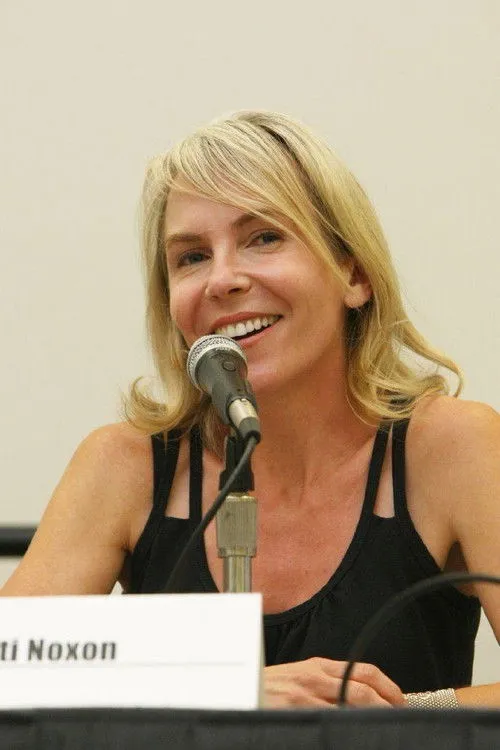
Age: 61
female
Martha Mills Noxon (born August 25, 1964) is an American television and film writer, director, and producer. She is best known for her work as a screenwriter and executive producer on the supernatural drama series Buffy the Vampire Slayer (1997–2003). She was also executive producer, writer, and creator of the Bravo comedy-drama series Girlfriends' Guide to Divorce (2015–18) and the Lifetime drama series UnREAL (2015–18). She was an executive producer of the CBS medical drama series Code Black (2015–17). Noxon also wrote the science fiction action film I Am Number Four (2011), the horror thriller film Fright Night (2011), and the biographical drama film The Glass Castle (2017). She wrote and directed the drama film To the Bone (2017). Noxon created the AMC dark comedy series Dietland and the HBO limited series Sharp Objects, both of which premiered in 2018.
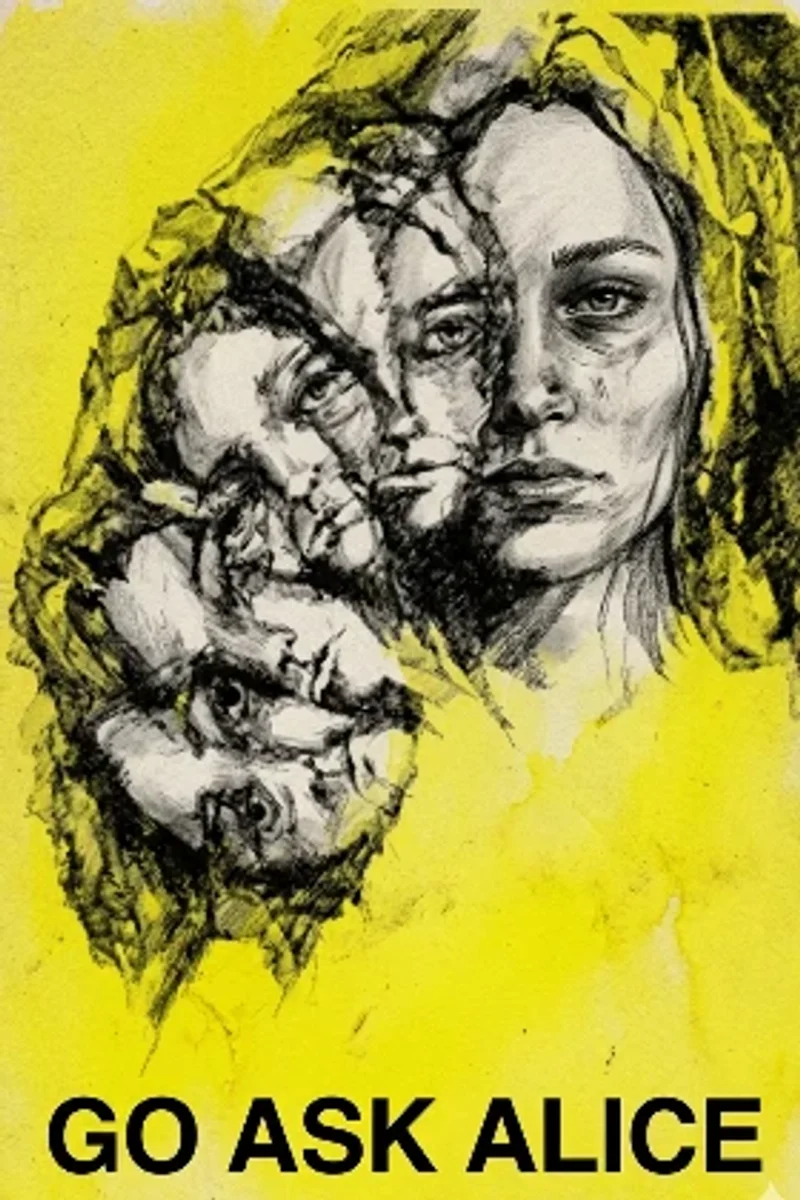
In 1968, a fifteen-year-old girl begins documenting her life in a diary, capturing the fragile intensity of adolescence - crushes, insecurities, family tension, and a longing to belong. When her father’s new academic job forces the family to relocate, she struggles to adjust, finding brief comfort in a friendship with a girl named Beth. But a visit back to her hometown changes everything: at a party, she unknowingly takes LSD, igniting a spiral into experimentation. What begins as curiosity quickly deepens into dependence, as she chases escape through drugs, risky relationships, and a growing detachment from her former self. Her world fractures further when betrayal, exploitation, and trauma leave her unmoored, pushing her into a transient life drifting between cities, dangerous situations, and fleeting illusions of freedom. Despite moments of clarity - returning home, attempting sobriety, and reconnecting with her family - the pull of addiction and social pressure proves relentless. After a forced relapse and psychological breakdown, she is hospitalized, where she begins to piece herself back together. Upon release, she makes a genuine effort to rebuild her life, forming healthier relationships and choosing connection over isolation. For the first time, she imagines a future beyond her diary, deciding to stop writing and instead face the world openly. Yet in a haunting epilogue, that fragile hope is shattered: only weeks later, she is found dead from a drug overdose, its cause uncertain - leaving behind her diary as both a warning and a deeply personal record of a life consumed too soon.


