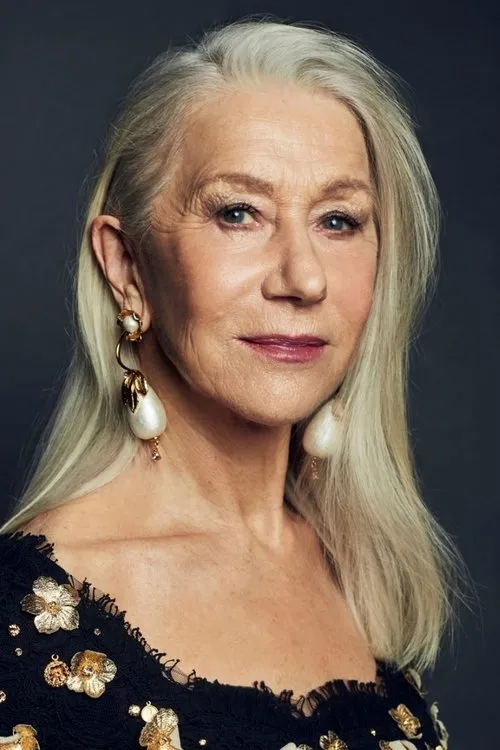
Age: 78
female
Kathleen Doyle Bates (born June 28, 1948) is an American actress and director. She has been the recipient of numerous accolades, including an Academy Award, two Primetime Emmy Awards, and two Golden Globe Awards. Born in Memphis, Tennessee, she studied theatre at the Southern Methodist University before moving to New York City to pursue an acting career. She landed minor stage roles before being cast in her first on screen role in Taking Off (1971). Her first Off-Broadway stage performance was in the 1976 production of Vanities. Throughout the 1970s and early 1980s, she continued to perform on screen and on stage, and garnered a Tony Award nomination for Best Lead Actress in a Play in 1983 for her performance in 'night, Mother, and won an Obie Award in 1988 for her performance in Frankie and Johnny in the Clair de Lune. Bates' performance as Annie Wilkes in the tense psychological thriller Misery (1990) marked her Hollywood breakthrough, winning her the Academy Award for Best Actress. Further acclaim came for her starring role in Dolores Claiborne (1995), The Waterboy (1998), and supporting roles in Fried Green Tomatoes (1991) and Titanic (1997). Bates received subsequent Oscar nods in the Best Supporting Actress category for her work in Primary Colors (1998), About Schmidt (2002), and Richard Jewell (2019). Bates' television work has resulted in 14 Emmy Award nominations, including two for her leading role on the NBC series Harry's Law (2011–12). She won the Primetime Emmy Award for Outstanding Guest Actress in a Comedy Series for her appearance on the ninth season of Two and a Half Men (2012) and the Primetime Emmy Award for Outstanding Supporting Actress in a Miniseries or Movie for her portrayal of Delphine LaLaurie on the third season of American Horror Story (2013). She also received accolades for her portrayal of Miss Hannigan in the 1999 television adaptation of Annie. Her directing credits include several episodes of the HBO television series Six Feet Under (2001–03) and the television film Ambulance Girl (2005).

The Emperor needs necromancers. The Ninth Necromancer needs a swordswoman. Gideon has a sword, some dirty magazines, and no more time for undead nonsense. Tamsyn Muir’s Gideon the Ninth unveils a solar system of swordplay, cut-throat politics, and lesbian necromancers. Her characters leap off the page, as skillfully animated as arcane revenants. The result is a heart-pounding epic science fantasy. Brought up by unfriendly, ossifying nuns, ancient retainers, and countless skeletons, Gideon is ready to abandon a life of servitude and an afterlife as a reanimated corpse. She packs up her sword, her shoes, and her dirty magazines, and prepares to launch her daring escape. But her childhood nemesis won’t set her free without a service. Harrowhark Nonagesimus, Reverend Daughter of the Ninth House and bone witch extraordinaire, has been summoned into action. The Emperor has invited the heirs to each of his loyal Houses to a deadly trial of wits and skill. If Harrowhark succeeds she will be become an immortal, all-powerful servant of the Resurrection, but no necromancer can ascend without their cavalier. Without Gideon’s sword, Harrow will fail, and the Ninth House will die. Of course, some things are better left dead.