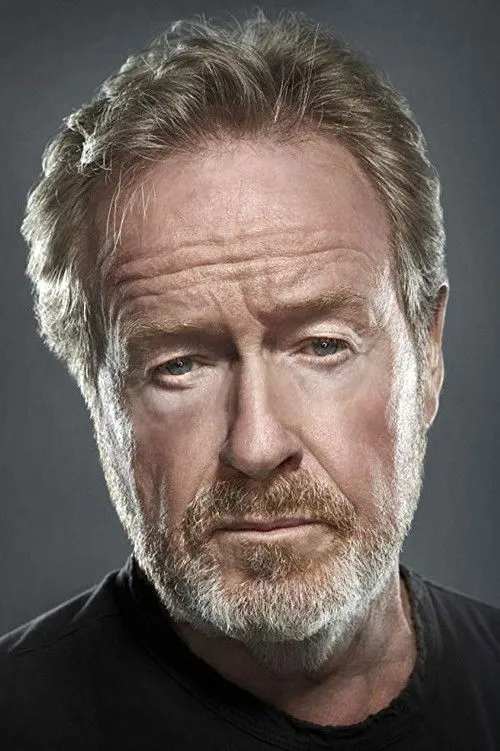
Age: 59
male
Denis Villeneuve (born October 3, 1967) is a Canadian filmmaker. He has received seven Canadian Screen Awards as well as nominations for three Academy Awards, five BAFTA Awards, and two Golden Globe Awards. Villeneuve's films have grossed more than $1.8 billion worldwide. Villeneuve began his career in his home country, directing four French-language dramas: August 32nd on Earth (1998); Maelström (2000); Polytechnique (2009), a dramatisation of the 1989 École Polytechnique massacre; and Incendies (2010). The last of these gained him international prominence and earned a nomination for the Academy Award for Best International Feature Film. He expanded to English-language films by directing the thrillers Prisoners (2013), Enemy (2013), and Sicario (2015). Villeneuve gained wider recognition for directing science fiction films. His work on Arrival (2016) earned him a nomination for the Academy Award for Best Director. This was followed by Blade Runner 2049 (2017), which was critically lauded but financially unsuccessful. His next projects were Dune (2021) and Dune: Part Two (2024), a two-part adaptation of Frank Herbert's novel of the same name. Both films were critically and commercially successful, with the former earning him Academy Award nominations for Best Adapted Screenplay and Best Picture.
Denis Villeneuve

Director
for Director in Ghazi: The Young Lion of Iraq
Suggested by kamsismith

The film opens in the rugged, vast deserts of the Arabian Peninsula, where Ghazi ibn Faisal, born in Mecca, is raised in a world of tradition and upheaval. The son of the charismatic Faisal I, who won and lost the Kingdom of Syria before being crowned Iraq’s first king, Ghazi comes of age with a sense of destiny and burden. Inheriting the throne of Iraq at only 21, he dreams of a modern Arab kingdom, independent and free from British control. But the pressures on Ghazi mount rapidly. He faces fierce opposition from British advisers who try to keep Iraq under colonial influence, ambitious local leaders who question his youth, and his inner circle, which doubts his ability to lead. Amid it all, he became a folk hero to the Iraqi people, using radio broadcasts to rally national pride and openly challenge British influence in Iraq. Yet, Ghazi’s ambitions lead him into dangerous territory. As he navigates his desire to unite the Arab world with the ruthless realities of royal power, he faces betrayal, isolation, and rumors of intrigue. His young life comes to a tragic end in a mysterious car crash in 1939, leaving his dream of an independent Iraq unfulfilled but setting the stage for the nation's fierce struggle for self-determination.