Age: 46
female
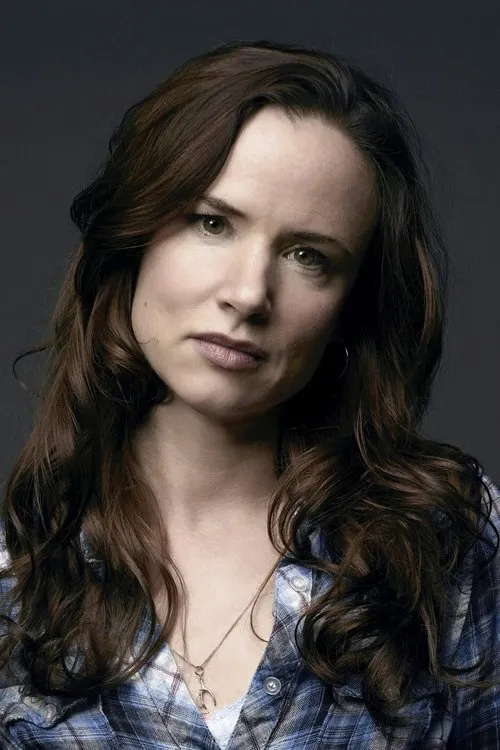
Noomi Rapace (Swedish: [ˈnǒːmɪ raˈpasː]; née Norén; born 28 December 1979) is a Swedish actress. She achieved international fame with her portrayal of Lisbeth Salander in the Swedish film adaptations of the Millennium series (2009): The Girl with the Dragon Tattoo, The Girl Who Played with Fire, and The Girl Who Kicked the Hornets' Nest. For her performance in the Millennium series, Rapace won, amongst others, two Nymphe d'Or, a Guldbagge Award, and a Satellite Award as Best Actress, and was nominated for a BAFTA Award, an International Emmy Award and a European Film Award. Following the success of the Millennium series, Rapace has gone on to star in American movies. She has also starred as Anna in Daisy Diamond (2007), Leena in Beyond (2010), Anna in The Monitor (2011), Madame Simza Heron in Sherlock Holmes: A Game of Shadows (2011), Elizabeth Shaw in Prometheus (2012) and Alien: Covenant (2017), Beatrice in Dead Man Down (2013), Nadia in The Drop (2014), Raisa Demidova in Child 44 (2015), the seven lead roles in What Happened to Monday (2017), Leila in Bright (2017), Rupture (2016), Bianca Lind in Stockholm (2018), Sam Carlson in Close (2019), Lizzie in Angel of Mine (2019), Harriet Bauman in Jack Ryan (TV series, 2019), Maja in The Secrets We Keep (2020), Maria in Lamb (2021), Lisa in The Trip (2021), Bosilka in You Won't Be Alone (2022) and Caroline Edh in Black Crab (2022). Description above from the Wikipedia article Noomi Rapace, licensed under CC-BY-SA, full list of contributors on Wikipedia.

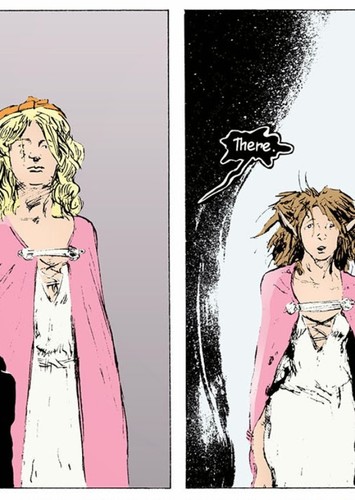
(from the wikipedia entry for endless - comics): They have existed since the dawn of time and are thought to be among the most powerful beings in the existence. They are distinct from and more powerful than most gods. Dream is the protagonist of The Sandman series, but all of the Endless play major roles. ... The Endless spend most of their time fulfilling their functions as embodiments of natural forces. For example, Death leads the souls of the dead away from the realm of the living, while Dream oversees the realm of dreams and imagination ("The Dreaming") and regulates dreams and inspiration. One notable facet of their depiction is that none of them are "representations" or "personifications" of their function, they simply are their function.