Age: 66
male
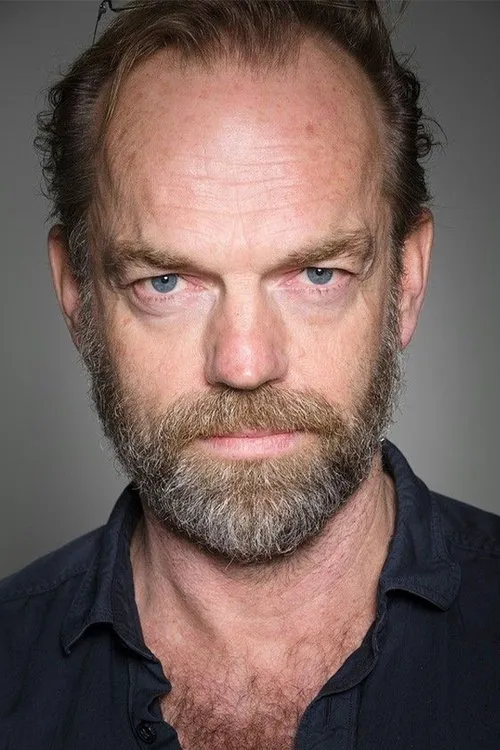
Hugo Wallace Weaving AO (born 4 April 1960) is an English actor. Born in Colonial Nigeria to English parents, he has resided in Australia for the entirety of his career. He is the recipient of six Australian Academy of Cinema and Television Arts Awards (AACTA) and has also been recognised as an Honorary Officer of the Order of Australia. Weaving landed his first major role as English cricket captain Douglas Jardine on the Australian television series Bodyline (1984). Continuing to act in Australia, he rose to prominence with his appearances in the films Proof (1991) and The Adventures of Priscilla, Queen of the Desert (1994), winning his first AACTA Award for Best Actor in a Leading Role with the former. By the turn of the millennium, Weaving achieved international recognition through appearances in mainstream American productions. His most notable film roles include Agent Smith in the first three The Matrix films (1999–2003), Elrond in The Lord of the Rings (2001–2003) and The Hobbit (2012–2014) trilogies, the title character in V for Vendetta (2005), and Johann Schmidt / Red Skull in the Marvel Cinematic Universe (MCU) film Captain America: The First Avenger (2011). In addition to his live action appearances, Weaving has had several voice over roles, including in the films Babe (1995), Happy Feet (2006) and Happy Feet Two (2011), and the Transformers series as Megatron (2007–2011). He also reprised his roles of Agent Smith and Elrond in Matrix and Lord of the Rings video game adaptations.

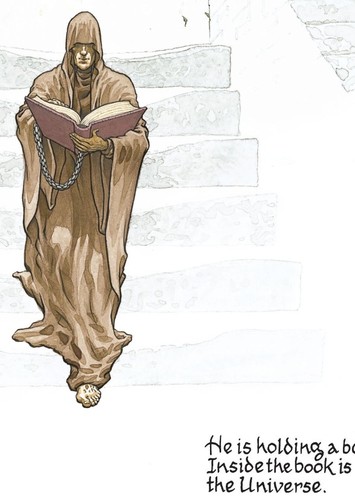
(from the wikipedia entry for endless - comics): They have existed since the dawn of time and are thought to be among the most powerful beings in the existence. They are distinct from and more powerful than most gods. Dream is the protagonist of The Sandman series, but all of the Endless play major roles. ... The Endless spend most of their time fulfilling their functions as embodiments of natural forces. For example, Death leads the souls of the dead away from the realm of the living, while Dream oversees the realm of dreams and imagination ("The Dreaming") and regulates dreams and inspiration. One notable facet of their depiction is that none of them are "representations" or "personifications" of their function, they simply are their function.