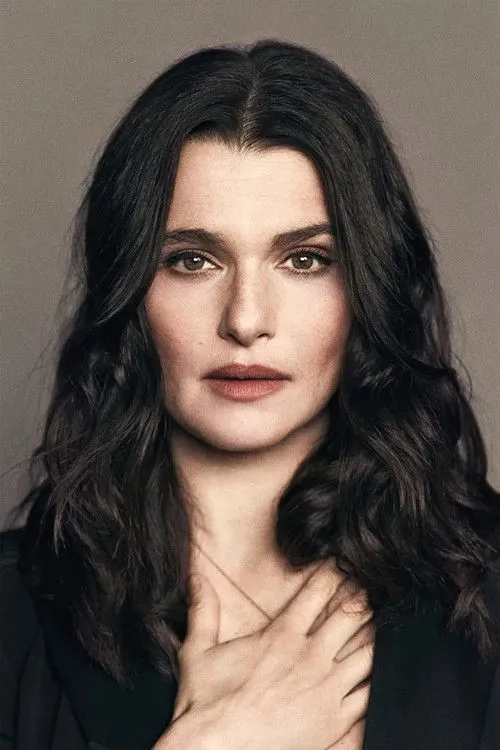
Age: 37
female
Emily Jean "Emma" Stone (born November 6, 1988) is an American actress and producer. She has won two Academy Awards, two BAFTA Awards, and two Golden Globe Awards. Her career began at Phoenix's Valley Youth Theatre with The Wind in the Willows (2000) and at fifteen, she moved to Los Angeles, debuting in an unsold television pilot, In Search of the New Partridge Family (2004). Stone gained recognition through teen comedies like Superbad (2007), Zombieland (2009), and Easy A (2010), her first starring role, earning a Golden Globe nomination for the latter. Her roles in Crazy, Stupid, Love (2011) and The Help (2011) highlighted her versatility, while The Amazing Spider-Man (2012) and its 2014 sequel elevated her global profile. Stone earned her first Oscar nomination for Birdman (2014), and won Best Actress for La La Land (2016) and Poor Things (2023); she has also earned nominations for The Favourite (2018) and Bugonia (2025). She starred in Battle of the Sexes (2017), Cruella (2021), and Maniac (2018). In 2020, she co-founded Fruit Tree, producing films Problemista (2023) and I Saw the TV Glow (2024). Stone's collaboration with Yorgos Lanthimos, inspired by her admiration for his films like The Lobster (2015) and Dogtooth (2009), spans The Favourite, Poor Things, and Kinds of Kindness (2024), and Bugonia. This partnership, driven by her trust in his vision, reflects her deliberate shift toward experimental cinema over mainstream Hollywood projects.

(from the wikipedia entry for endless - comics): They have existed since the dawn of time and are thought to be among the most powerful beings in the existence. They are distinct from and more powerful than most gods. Dream is the protagonist of The Sandman series, but all of the Endless play major roles. ... The Endless spend most of their time fulfilling their functions as embodiments of natural forces. For example, Death leads the souls of the dead away from the realm of the living, while Dream oversees the realm of dreams and imagination ("The Dreaming") and regulates dreams and inspiration. One notable facet of their depiction is that none of them are "representations" or "personifications" of their function, they simply are their function.