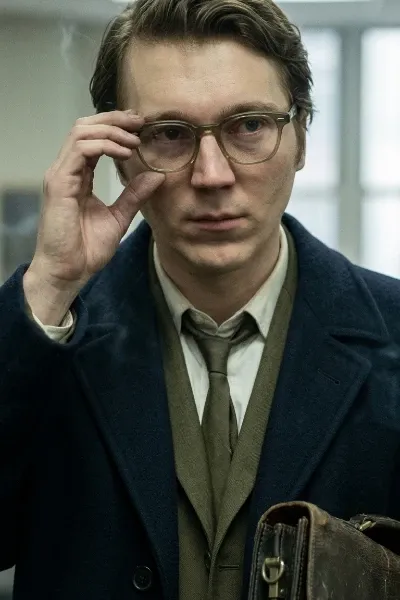
Age: 42
male
Paul Franklin Dano (born June 19, 1984) is an American actor. He began his career on Broadway before making his film debut in The Newcomers (2000). He won the Independent Spirit Award for Best Debut Performance for his role in L.I.E. (2001) and received accolades for his role as Dwayne Hoover in Little Miss Sunshine (2006). For his dual roles as Paul and Eli Sunday in Paul Thomas Anderson's There Will Be Blood (2007), he was nominated for the BAFTA Award for Best Supporting Actor. Dano has also received accolades for roles such as John Tibeats in Steve McQueen's 12 Years a Slave (2013) and Alex Jones in Denis Villeneuve's Prisoners (2013). His acting portrayal of musician Brian Wilson in Love & Mercy (2014) earned him a Golden Globe nomination in the category of Best Supporting Actor. Dano made his directorial debut with the drama film Wildlife (2018), based on the novel by Richard Ford. He co-wrote the screenplay with his partner Zoe Kazan. In 2018, he starred in the Showtime miniseries Escape at Dannemora, for which he received a Primetime Emmy Award nomination for Outstanding Supporting Actor in a Limited Series or Movie. In 2022, he played Edward Nashton / The Riddler in The Batman.
Paul Dano

Stanley Weston
for Stanley Weston in G.I. JOE: ORIGIN OF THE CODE
Suggested by nickienicks
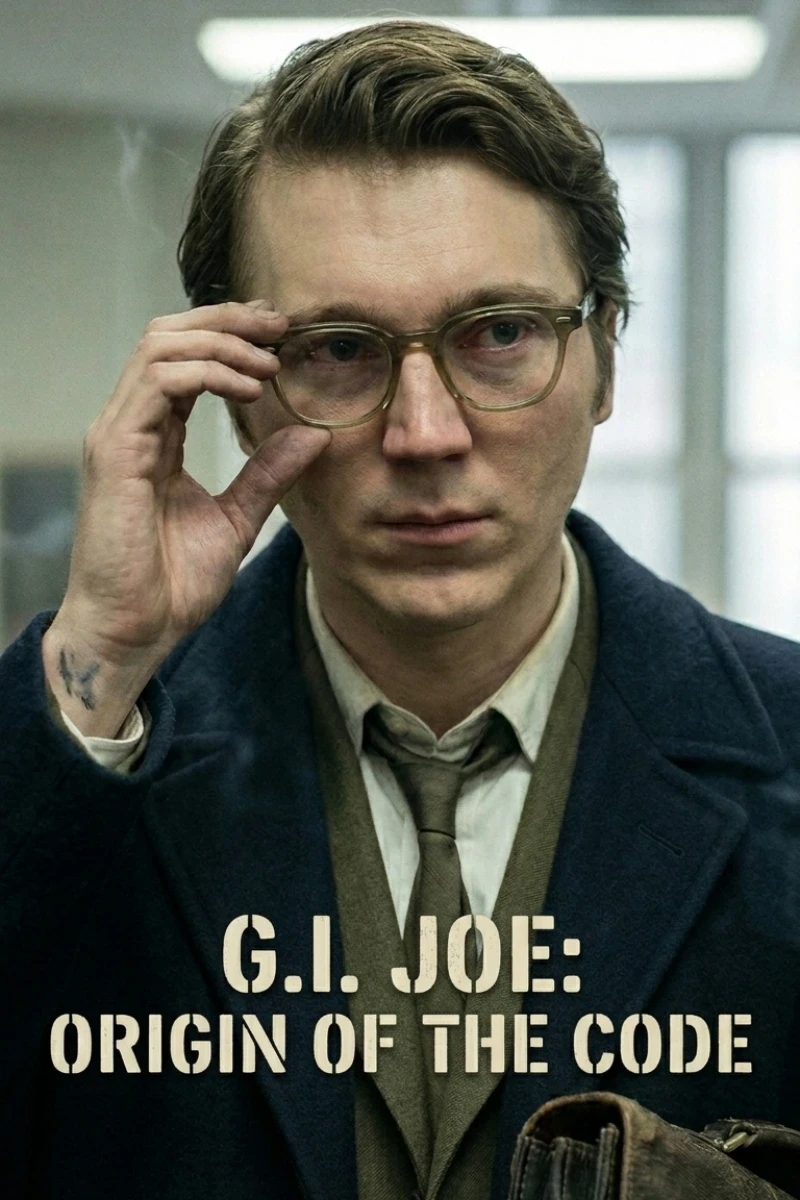
In 1963 Manhattan, licensing agent Stanley Weston creates a military action figure concept meant for toy shelves. But his prototype unintentionally mirrors real, classified U.S. research into adaptable, multi-role soldiers being developed for Cold War operations. When Weston presents the idea to Hasbro executive Donald Levine, it is quickly seen as both a commercial opportunity and a potential tool of cultural influence. Soon after, the concept draws attention from the CIA, where Agent Harlan Knox begins investigating whether Weston has unknowingly connected to a hidden military program. At the same time, Soviet intelligence interprets the idea as psychological warfare and responds by forming PROJECT COBRA, designed to counter Western influence through covert ideological manipulation. Weston is pulled into a growing shadow world where corporate marketing, espionage, and military experimentation overlap. He learns of a real experimental operative, JOE-1, a prototype multi-specialist soldier whose existence blurs the line between fiction and classified reality. After surviving an assassination attempt tied to escalating Cold War tensions, Weston realizes his invention is no longer a toy - it has become part of a global arms race in ideas. The U.S. quietly adopts his concept as both propaganda and operational cover, turning “G.I. Joe” into a public myth hiding real covert programs. Weston steps away, leaving behind a legacy that becomes legend.

