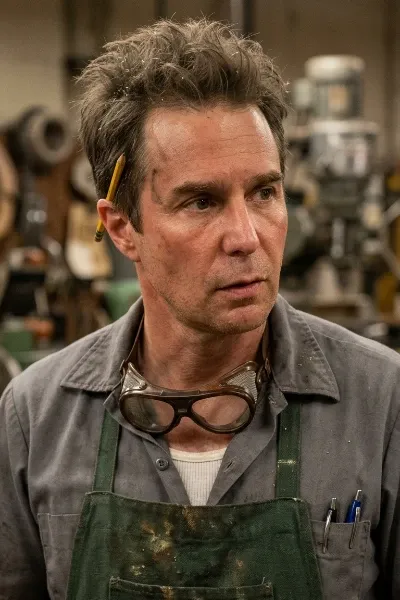
Age: 57
male
Sam Rockwell (born November 5, 1968) is an American actor. He is known for playing distressed police officer Jason Dixon in Martin McDonagh's crime drama Three Billboards Outside Ebbing, Missouri (2017), for which he won the Academy Award for Best Supporting Actor. The following year, he was nominated in the same category for portraying in Adam McKay's political satire Vice (2018). In 2019, he portrayed Bob Fosse in the FX biographical miniseries Fosse/Verdon, earning a nomination for a Primetime Emmy Award, and in 2022, he received a Tony Award nomination for his performance in the Broadway revival of David Mamet's American Buffalo. Rockwell's other films include The Green Mile (1999), Galaxy Quest (1999), Charlie's Angels (2000), Confessions of a Dangerous Mind (2002), Matchstick Men (2003), The Hitchhiker's Guide to the Galaxy (2005), The Assassination of Jesse James by the Coward Robert Ford (2007), Moon (2009), Gentlemen Broncos (2009), Iron Man 2 (2010), Seven Psychopaths (2012), Jojo Rabbit (2019), and See How They Run (2022). Description above from the Wikipedia article Sam Rockwell, licensed under CC-BY-SA, full list of contributors on Wikipedia.
Sam Rockwell

Arthur “Art” Brenner
for Arthur “Art” Brenner in G.I. JOE: ORIGIN OF THE CODE
Suggested by nickienicks
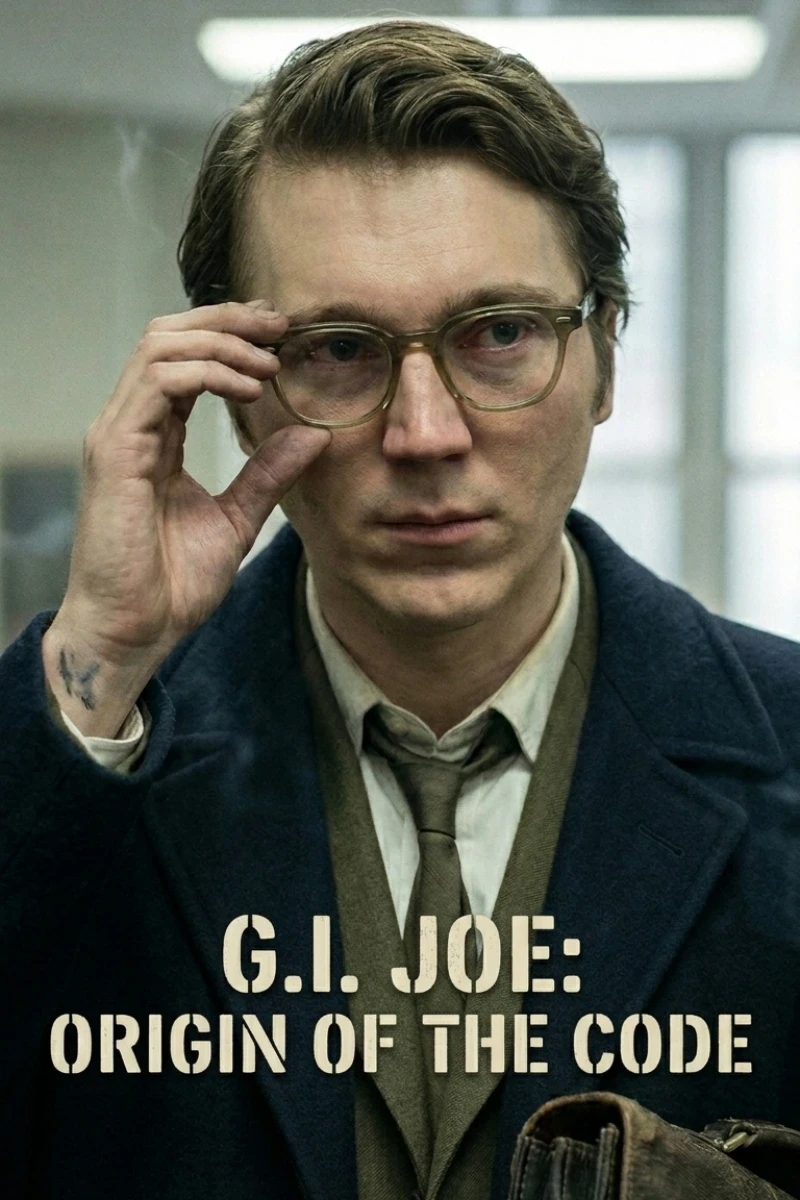
In 1963 Manhattan, licensing agent Stanley Weston creates a military action figure concept meant for toy shelves. But his prototype unintentionally mirrors real, classified U.S. research into adaptable, multi-role soldiers being developed for Cold War operations. When Weston presents the idea to Hasbro executive Donald Levine, it is quickly seen as both a commercial opportunity and a potential tool of cultural influence. Soon after, the concept draws attention from the CIA, where Agent Harlan Knox begins investigating whether Weston has unknowingly connected to a hidden military program. At the same time, Soviet intelligence interprets the idea as psychological warfare and responds by forming PROJECT COBRA, designed to counter Western influence through covert ideological manipulation. Weston is pulled into a growing shadow world where corporate marketing, espionage, and military experimentation overlap. He learns of a real experimental operative, JOE-1, a prototype multi-specialist soldier whose existence blurs the line between fiction and classified reality. After surviving an assassination attempt tied to escalating Cold War tensions, Weston realizes his invention is no longer a toy - it has become part of a global arms race in ideas. The U.S. quietly adopts his concept as both propaganda and operational cover, turning “G.I. Joe” into a public myth hiding real covert programs. Weston steps away, leaving behind a legacy that becomes legend.

