The Central Intelligence Agency (CIA) /ˌsiː.aɪˈeɪ/, known informally as the Agency,[6] metonymously as Langley[7] and historically as the Company,[8] is a civilian foreign intelligence service of the federal government of the United States tasked with gathering, processing, and analyzing national security information from around the world, primarily through the use of human intelligence (HUMINT) and conducting covert action through its Directorate of Operations. The agency is headquartered in the George Bush Center for Intelligence in Langley, Virginia. As a principal member of the United States Intelligence Community (IC), the CIA reports to the director of national intelligence and is primarily focused on providing intelligence for the president and Cabinet. The agency's founding followed the dissolution of the Office of Strategic Services (OSS) at the end of World War II by President Harry S. Truman, who created the Central Intelligence Group under the direction of a director of central intelligence by presidential directive on January 22, 1946.[9] The agency's creation was authorized by the National Security Act of 1947. Unlike the Federal Bureau of Investigation (FBI), which is a domestic security service, the CIA has no law enforcement function and is mainly focused on intelligence gathering overseas, with only limited domestic intelligence collection.[10] The CIA serves as the national manager for HUMINT, coordinating activities across the IC. It also carries out covert action at the behest of the president.[11][12] The CIA exerts foreign political influence through its paramilitary operations units, including its Special Activities Center.[13] The CIA was instrumental in establishing intelligence services in many countries, such as Germany's Federal Intelligence Service. It has also provided support to several foreign political groups and governments, including planning, coordinating, training in torture, and technical support. It was involved in many regime changes and carrying out terrorist attacks and planned assassinations of foreign leaders.[14][3] Since 2004, the CIA is organized under the Office of the Director of National Intelligence (ODNI). Despite having had some of its powers transferred to the DNI, the CIA has grown in size following the September 11 attacks. In 2013, The Washington Post reported that in the fiscal year 2010, the CIA had the largest budget of all intelligence community agencies, exceeding prior estimates.[3][15] The CIA's role has expanded since its creation, now including covert paramilitary operations.[3] One of its largest divisions, the Information Operations Center (IOC), has shifted from counterterrorism to offensive cyber operations.[16] The agency has been the subject of several controversies, including its use of torture, domestic wiretapping, propaganda, and alleged human rights violations and drug trafficking. In 2022, a CIA domestic surveillance program was uncovered that had not been subject to congressional oversight.[17][18]
Central Intelligence Agency

Spy and Military Elements include Stealth-focused Titles
for Spy and Military Elements include Stealth-focused Titles in Future Assassin's Creed Game Titles
Suggested by benpopplewell

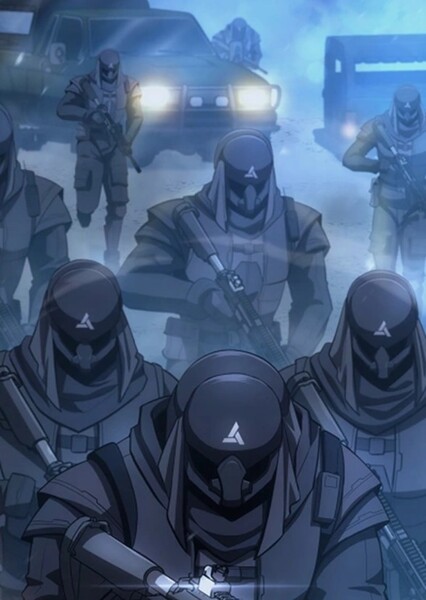
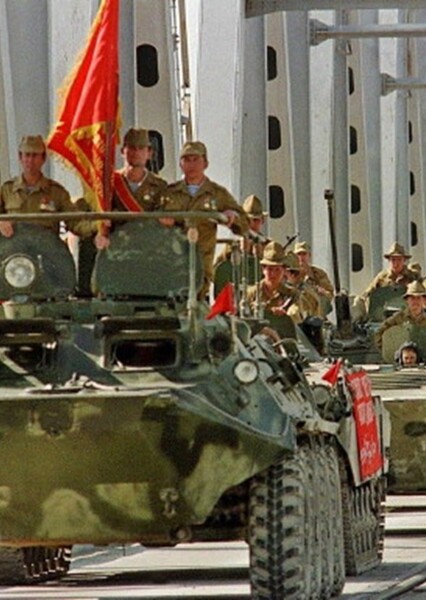
Ubisoft has confirmed they intend to expand on the modern-day storyline and the global conflict between the Assassin and Templar Orders in future installments. The idea of borrowing gameplay mechanics from Grand Theft Auto, such as a free-roam criminal underworld, has been mentioned as a potential inspiration for how to translate the modern-day conflict into a more dynamic, city-based experience. The modern era involves the conflicts occurred through organizations like Abstergo to balance the historical and modern-day stories more effectively, which could lead to a more developing experience in the future. The request describes a game concept where the modern-day storyline becomes the primary gameplay, expanding on stealth and free-roam action. The user explicitly mentions Grand Theft Auto, implying a gameplay style that involves open-world city environments, driving, and conflict with law enforcement and gangs, in addition to Abstergo's private forces. With Ubisoft in talks in request specifically asks for this to be set in the 20th and 21st centuries, referencing periods like World War II, the Cold War, and modern warfare, which would be a significant departure from the series' usual historical settings. The new game concept could be explored through the Assassin's Creed franchise or spin-off prequels, allowing for a narrative that bridges past and present conflict across different eras and global locations.